
Call Us
+91 97 97 97 21 75Call Us
+91 97 11 74 18 22Ready to explore the offbeat and the most rugged side of Ladakh?
It begins in Zanskar.
Most travellers visiting Ladakh usually stop at Leh, Pangong Lake, and Nubra Valley. Zanskar begins where those familiar routes end — deeper inside the Himalayas, where the roads get longer, the mountains feel wilder, and the crowds slowly disappear.
Hidden in the remote Kargil district of Ladakh at an altitude of around 3,500 to 4,400 metres, Zanskar Valley is known for its ancient monasteries, isolated villages, glacier-fed rivers, and dramatic mountain roads that only a small number of travellers ever experience. Out here, the journey itself becomes the highlight. Every turn feels quieter, more remote, and far removed from the usual tourist circuit of Ladakh.
JustWravel offers fixed departure Zanskar Valley group tours across different travel styles, depending on how you want to experience the region:
Each departure is led by experienced trip captains and includes pre-arranged stays, transport, permits, and a well-planned itinerary — so you can spend less time worrying about logistics and more time enjoying the landscapes, roads, and overall experience.
Trips operate between June and September, when the mountain passes open after winter and the valley becomes fully accessible. Group sizes are intentionally kept small, making the journey feel more personal, well-paced, and immersive throughout.
Explore the Zanskar Valley tour packages below and choose the route that matches your travel style, preferred experience, and dates best.


VIDEOS
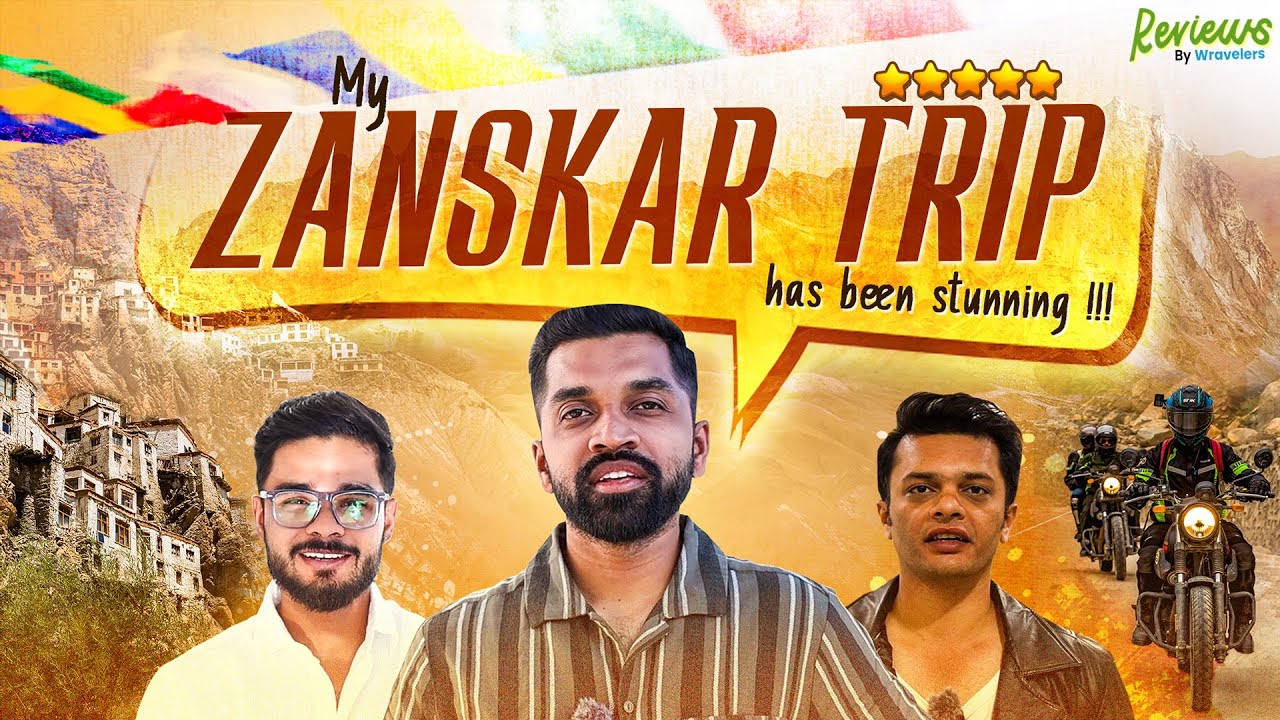
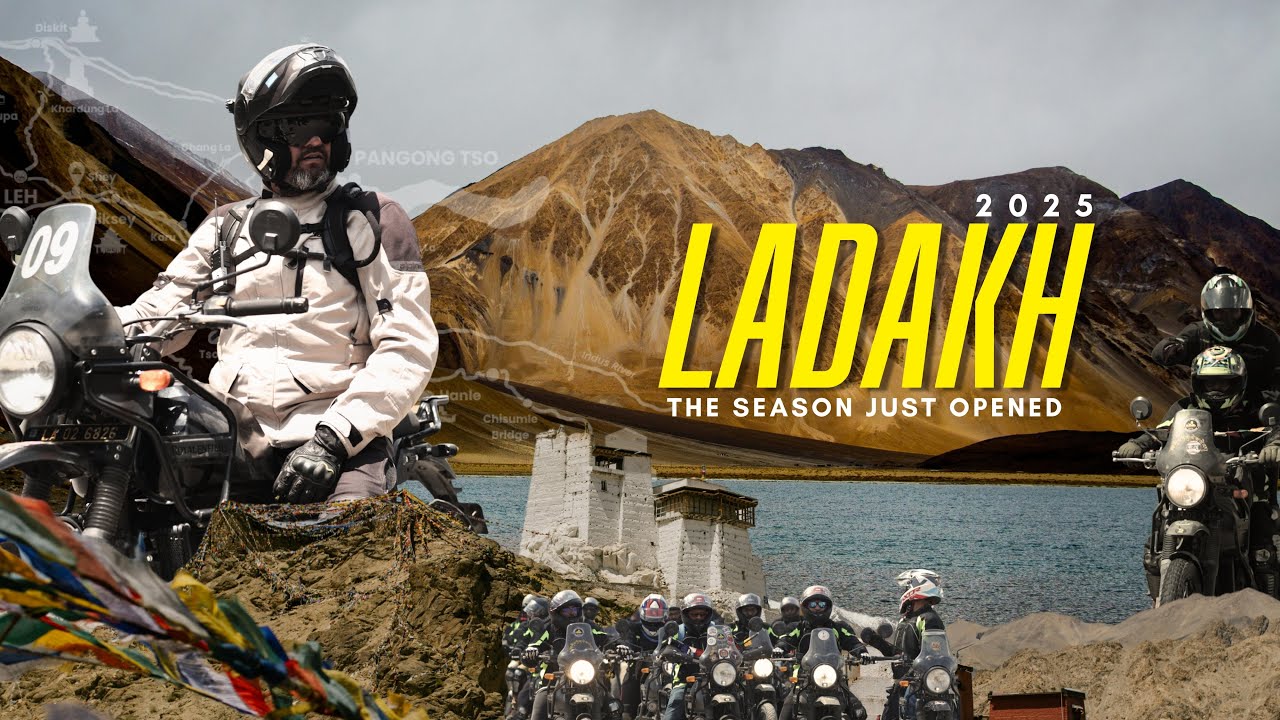
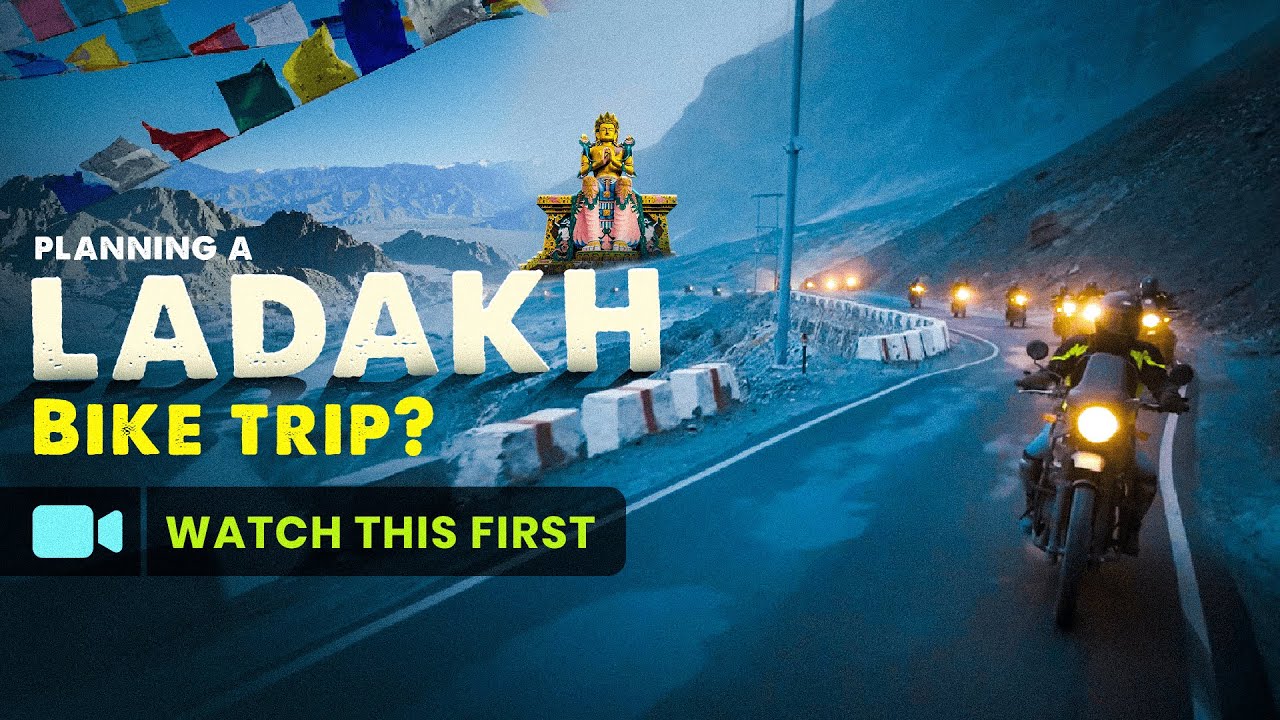
posts
REVIEWS

Girish Gadage
I went to Zanskar trip and it was crazy .we enjoyed alot both team member Ashish and shubham both are like brother We really enjoyed every moment.

Zanskar Valley Expedition
Try Yourself
Pooja Wagh
This review is regarding Zanskar expedition. Zanskar Valley(Ladakh) is a remote location. The trip was very well managed and taken care of. Captain Shubham and Ashish really made sure that everyone is at good health as ladakh is at higher altitude. They provided all the information in the briefing. I had a great trip. Feedback - Kargil stay(caravan sarai) wasn’t good. It would be great if they change it as it wasn’t hygienic.

Mansi agarwal
Leh-leh (Hanle) by Kavindra This trip was a completely different experience. It was adventurous as well as beautiful with breathtaking experiences. JustWravel team was supportive in the entire journey.👍

Leh to Leh 8 Days Tour (Hanle-Umling-La)
Try Yourself
Rajarshi Choudhury
It was the most pleasing experience with JustWravel.The planning, execution, guidance and the care they took for the group was commendable.They tried to provide us with the best stays and with best possible food, even in places like Hanle and Pangong Lake.Thank you so much JustWravel for this lifetime experience.

Gunjan Shrivastav
I had a wonderful experience with JustWravel on my trip to Leh (Hanle, Umling La and Tso Moriri). The entire trip was very well-organized, from the itinerary to the logistics, everything was taken care of seamlessly. The trip managers (KV and Ashish) were supportive, approachable, and made sure everyone felt comfortable throughout. It was a memorable experience overall, and would recommend JustWravel to anyone looking for a hassle-free and enjoyable travel experience.
Travel has the power to transform perspectives, build meaningful connections, and create stories that last a lifetime. At JustWravel, we've dedicated the last decade to making those experiences accessible, safe, and unforgettable. With an award-winning team, a thriving community of over 80,000 Wravelers, and thousands of successfully curated journeys, we continue to inspire people to explore beyond destinations and embrace experiences that truly matter.

We don't organize trips! We curate experiences backed by expertise, trust, partnerships, and thousands of successful departures.

Every itinerary is designed with safety, preparation, and responsible operations at its core so you can travel worry-free.

 80,000+ Happy Wravelers
 15,000+ Successfully Curated Trips
 13,597+ Verified Reviews
Our commitment to quality has earned us multiple recognitions from industry leaders, tourism boards, and our beloved wravelers.

JustWravel isn't just a travel company—it's a community where strangers become friends and every trip creates lifelong stories.
For most travellers, Ladakh means Leh, Pangong Lake, and Nubra Valley. But the moment you leave those familiar routes behind and enter Zanskar, the entire feeling of the journey changes.
The roads become quieter. The mountains feel larger. Villages appear far apart from each other, surrounded by wide valleys and barren peaks that stretch endlessly into the distance. There are long stretches where you barely see another traveller, and that silence slowly becomes one of the best parts of the journey.
Zanskar is not built around crowded viewpoints or rushed sightseeing. The experience here comes from the road itself — crossing high mountain passes, driving through remote valleys, stopping at tiny roadside cafés, and spending nights in villages that still feel deeply connected to the mountains around them.
This is also what makes travelling through Zanskar feel far more immersive than the usual Ladakh circuit.
One day you’re crossing Pensi La with the massive Drang Drung Glacier spread across the mountainside in front of you. Another day takes you towards Phugtal Monastery, an ancient monastery built directly into a cliff above the Lungnak River, hidden deep inside a narrow Himalayan gorge. Places like these do not feel designed for tourism. They feel discovered slowly, one road at a time.
Because the region is so remote, travelling in a fixed departure group makes the experience much smoother. Stays, permits, transport, acclimatisation, and route planning are already managed for you, allowing you to focus entirely on the journey instead of worrying about logistics in unfamiliar terrain.
The group experience itself becomes a big part of the trip. Long drives across empty mountain roads, tea breaks at isolated dhabas, cold evenings in remote villages, and shared moments at high passes naturally bring travellers together. By the end of the journey, people often remember the feeling of the trip just as much as the places themselves.
Zanskar is one of those places where group travel genuinely improves the experience.
Distances between villages are long. Accommodation is limited to small guesthouses in select locations. Routes across the valley need careful pacing to manage altitude properly. With a group tour to Zanskar Valley, stays, transport, permits, and acclimatisation schedules are all pre-organised — so you spend your time experiencing the journey, not managing it.
It Works Especially Well for Solo Travellers
Long road stretches through Zanskar are best shared. The drives, the passes, the cafés at Jispa or Padum, the conversations that happen between stops — these become a natural part of the trip when you travel with people who came for the same reason: to see a side of Ladakh that most tours never reach.
Small Groups, Fixed Dates
All JustWravel Zanskar departures run in small batches with experienced trip captains. Group sizes are intentionally limited. Seats fill up quickly during July and August — book early if your dates are fixed.
One of the best parts about a Zanskar journey is the variety of landscapes and experiences packed into a single route. Across different departures, the itinerary usually combines mountain passes, monasteries, remote villages, glacier viewpoints, and high-altitude lakes.
Padum
Padum is the central town of Zanskar and the main base for exploring the region. Most routes across the valley begin here, connecting travellers to remote monasteries, traditional villages, and hidden corners of Zanskar.
Karsha Monastery
Karsha Monastery is the largest monastery in Zanskar — sits perched on a hillside above Padum, offering wide views of the valley. A short drive or walk from Padum, it's one of the cultural highlights of any Zanskar tour.
Phugtal Monastery
Phugtal Monastery is among the most remarkable places in Zanskar — an ancient cave monastery carved into a sheer rock face overlooking the Lungnak River. Its remote setting and limited access make it unlike anywhere else in Ladakh.
Pensi La & Drang Drung Glacier
Pensi La (14,436 ft) is one of those mountain passes you remember long after the journey ends. Somewhere near the top, the landscape shifts dramatically and the Drang Drung Glacier comes into view — spilling across the mountainside in a scale that feels almost unreal when you finally see it with your own eyes.
Remote Villages: Zangla and Purne
Villages like Zangla and Purne bring a quieter, more local side of Zanskar into the journey. Small high-altitude communities that sit far outside any standard Ladakh itinerary. The Suru Valley, encountered on certain routes, adds a contrast of greener landscapes against the dry rock terrain of central Zanskar.
Extended Route — Hanle & Tso Moriri
On the bike and backpacking circuit, routes continue beyond Zanskar toward Hanle — wide open high-altitude plains and one of the darkest night skies in India — and Tso Moriri, a high-altitude lake that remains far less crowded than Pangong Tso. These two additions take the trip well beyond what most Ladakh tours ever cover.
Zanskar Valley Group Trips are curated for different kinds of travellers, depending on how immersive or adventurous they want the journey to feel. Here's how to choose.
Zanskar Backpacking Group Tour - Delhi to Delhi
A balanced mix of road travel, monastery visits, and village stays across 8 days. Full transport from Delhi is included — no separate arrangements needed. The Delhi-to-Delhi format makes it the easiest entry point for a Zanskar group tour.
Popular among solo travellers and first-time Ladakh visitors who want a structured but community-driven experience.
Best fit if you have an 8-day window and want the full Delhi-based format. → See Delhi to Delhi Zanskar Valley Backpacking Trip
Zanskar Valley Expedition from Leh
For travellers spending time in Leh and looking to explore deeper into Ladakh, this route opens up an entirely different side of the region. From the rugged roads of Kargil to the remote valleys around Padum and Phugtal, before returning through Sarchu and the iconic Manali–Leh highway, the journey feels less like a trip and more like a full Himalayan expedition.
More immersive and geographically wider than the Delhi-to-Delhi format.
Best fit if you're starting from Leh or want a multi-region Ladakh circuit. → See Zanskar Valley Expedition from Leh
Zanskar Bike & Backpacking Extended Circuit
This is the most complete way to experience Ladakh and Zanskar in a single journey. Combining motorcycle riding, long mountain drives, and backpacking-style travel, the route moves through remote regions like Zanskar, Hanle, and Tso Moriri — places so isolated that even seasoned Ladakh travellers rarely cover them together on one trip.
Best fit for riders and travellers with 12–14 days who want to go well beyond mainstream Ladakh. → See Zanskar–Hanle–Tso Moriri Bike Trip
Zanskar Valley is accessible between June and September, when major mountain passes like Shinku La and Pensi La remain open for travel. During these months, the region stays relatively dry compared to many other Himalayan destinations, making it one of the most stable weather windows for exploring Ladakh.
June - Freshly Opened Mountain Routes
The travel season begins as the high-altitude passes reopen after winter. Snow is still visible along the mountains, rivers run full from melting glaciers, and the valley feels quieter with fewer tourists on the roads.
Best for travellers who prefer peaceful landscapes and early-season Himalayan views.
July to August - Peak Travel Season
This is when Zanskar is at its most accessible. Roads remain fully operational, weather conditions are generally more stable, and most fixed departures Zanskar trips operate during this period. Villages, campsites, and routes across the valley are fully active.
Best for first-time travellers and those looking for the smoothest overall travel experience.
September - Clear Skies & Autumn Colours
As summer fades, the valley becomes quieter again. The landscapes slowly shift into shades of golden-brown, skies turn noticeably clearer, and the cold starts returning to the mountains. The reduced tourist movement also makes the experience feel far more remote and peaceful.
Best for photographers, slower travel, and travellers looking to avoid peak-season crowds.
When Does Zanskar Close?
By October, snowfall usually begins blocking the high passes, cutting off road access into the valley. From October to May, most routes to Zanskar remain inaccessible due to harsh winter conditions.
Ideal Travel Window: If your dates are flexible, late June and early September usually offer the best balance — open roads, beautiful landscapes, and comparatively manageable crowds.
Zanskar is adventurous, but not inaccessible. Expect long road journeys, high mountain passes, and full days spent travelling through remote landscapes. At the same time, you do not need trekking experience or extreme endurance to explore the region. For most travellers, the journey is challenging in a rewarding way rather than overwhelming.
This Zanskar trip is a strong fit if you:
Come prepared for:
Travelling through Zanskar is incredibly rewarding, but the journey is also raw, remote, and physically demanding in parts. Before you go, it helps to know what the experience actually feels like on the ground.
Throughout the journey, trip captains carefully manage acclimatisation, monitor group health, and maintain a pace that allows travellers to adjust gradually to the altitude and long travel days.
Newsletter
Be the first one to know all about the Exciting Offers, Travel Updates and more.
Published on 12 Feb
11 minutes read
FAQ
Connect with us
Company
Group Tours
© 2015-2026 JustWravel Pvt. Ltd.