
Call Us
+91 97 97 97 21 75Call Us
+91 95 60 50 12 61Are you a passionate trekker looking for your next big adventure? You’ve landed in the right place! Whether you seek peace, adrenaline, or an escape from the daily routine, a Himalayan trek is the ultimate solution.
Trekking in India is a bucket-list dream for many, but the variety of trails can be confusing to choose from. And that’s where JustWravel, India’s trusted trekking company comes into picture. From the lush meadows of Uttarakhand to the dramatic passes of Himachal, we help you find the perfect trail.
At JustWravel, every trek is planned to provide a safe, enjoyable and memorable mountain experience.
Browse our latest trekking packages, compare itineraries, difficulty levels, and departure dates, and find the trek that matches your experience, fitness level, and travel goals.


Upto
1000
off
Sankri to Sankri
Nov - Apr
₹ 8,000
₹ 7,000

Upto
2000
off
Sankri to Sankri
Oct - Dec
₹ 12,500
₹ 11,000

Upto
1000
off
Natin to Natin
Dec - Mar
₹ 6,500
₹ 5,500

Upto
1000
off
Lohajung to Lohajung
Dec - Mar
₹ 8,500
₹ 7,500


Upto
1000
off
Joshimath/Pipalkoti to Joshimath/Pipalkoti
Dec - Mar
₹ 9,800
₹ 8,800

Upto
2500
off
Jiskun to Sangla
₹ 16,500
₹ 15,500

Upto
4000
off
Pokhara to Pokhara
Nov - May
₹ 40,000
₹ 36,000

Upto
1500
off
Janglik to Barua
₹ 16,000
₹ 15,000


Upto
5000
off
Kathmandu to Kathmandu
Mar - May
₹ 82,000
₹ 77,000

Upto
1000
off
Sepi to Sepi
Oct - May
₹ 14,000
₹ 13,000

Rishikesh to Rishikesh
₹ 12,000

Kafnu to Kaza
₹ 18,500
recommended
Videos

posts
REVIEWS

Pratheeksha Lazarus
I had recently been on Brahmatal trek with JustWravel with Kavita as my trek guide. To begin with, this was my very first Himalayan trek and I was quite skeptical as to the difficulty, the temperature and mainly the food and hygiene concerns. Our trek lead, Kavita was just an amazing, making sure she was with everyone throughout. She was extremely kind, fun and when required strict enough to make sure we respected and valued each and every detail. She was extremely helpful, and tending to all our needs from day 1 until the very end. She kept motivating each one, almost throughout the entire course of trek. Next, the campsite - Beautiful and aesthetic and just serene. The nature, the cleanliness of campsite, the tents, everything spot on. Tents were all sited in a beautiful location and were spacious enough and the sleeping bags were clean. Had no problem, sleeping, despite being my very first. Food - It is quite obvious that we would expect the bare minimum on treks like this to get good food, but, turned out the opposite. I guess, the entire trek we had such amazing food, especially freshly cooked, yum food, and a lot of variety. They were sweet enough to make sure to add sweet dishes to the menu - just the perfect thing needed to celebrate small wins of making it to another campsite. Hygiene - The eco - bathrooms were clean and we were made sure we left it clean enough for the next person to use it without a problem. The communication before the trek was clear on Whatsapp. The pricing was extremely reasonable considering the attention to details the entire team has put in to make sure every trekker, beginner to experienced felt satisfied. Overall, this trek has been an amazing one, because of all the aspects, and credits to Kavita for making it even more memorable. Leaving this trek, with a lot of memories, smiles and definitely rooting for more treks in the coming future.

Brahmatal Lake Trek
Try Yourself
Bishal Swain
Went on dayara bugyal trek...had an amazing experience.. Trek leader bhupinder bhai made the trek lively and easy!! Would love to trek again with justwravel

Dayara Bugyal Trek
Try Yourself
Piyush Pant
Incredible is all I can say. Went to Kuari Pass and Pangarchulla trek with Justwravel team (?? Mukesh Farswan) during last week of December 2022. Mukesh motivated us and the fun we had, hope to have more treks and trips with him. The arrangements were good as well. It was a sheer joy and an amazing experience. Mukesh was humble, took care of us and our choices, and was cheering us up all the time. Highly recommended.??

Kuari Pass Trek
Try Yourself
Shubham Arya
No doubt, the views were breathtaking from start to finish. The JustWravel team was with us throughout the journey, guiding and supporting us at every step. Our trip leaders, Rahul, Singam, and Vickey, were incredibly helpful during the trek, at the campsite, and whenever anyone felt unwell. They were always just one call away and ready to help. It was a truly amazing and well-managed experience. Highly recommended!

Buran Ghati Trek
Try Yourself
kushalappa adithya
An amazing and challenging experience to test one's endurance. The trek guides were all very helpful and took care of us also in the quality food that were served. Truly appreciate their efforts to make us complete the Buran Ghati trekking walking along us, responsiveness and caring. Wish the team all the best. Special mention Rahul Rawat and Manjeet.
Buran Ghati Trek
Try Yourself
Bhaskar Vyas
Amazing trekking experience with JustWravel team. Big thanks to Rahul bhai, Sushant bhai, Manjeet bhai and entire team. They provided full support during entire trek and beyond.

Rupin Pass Trek From Himachal
Try Yourself
Shoba Bisani
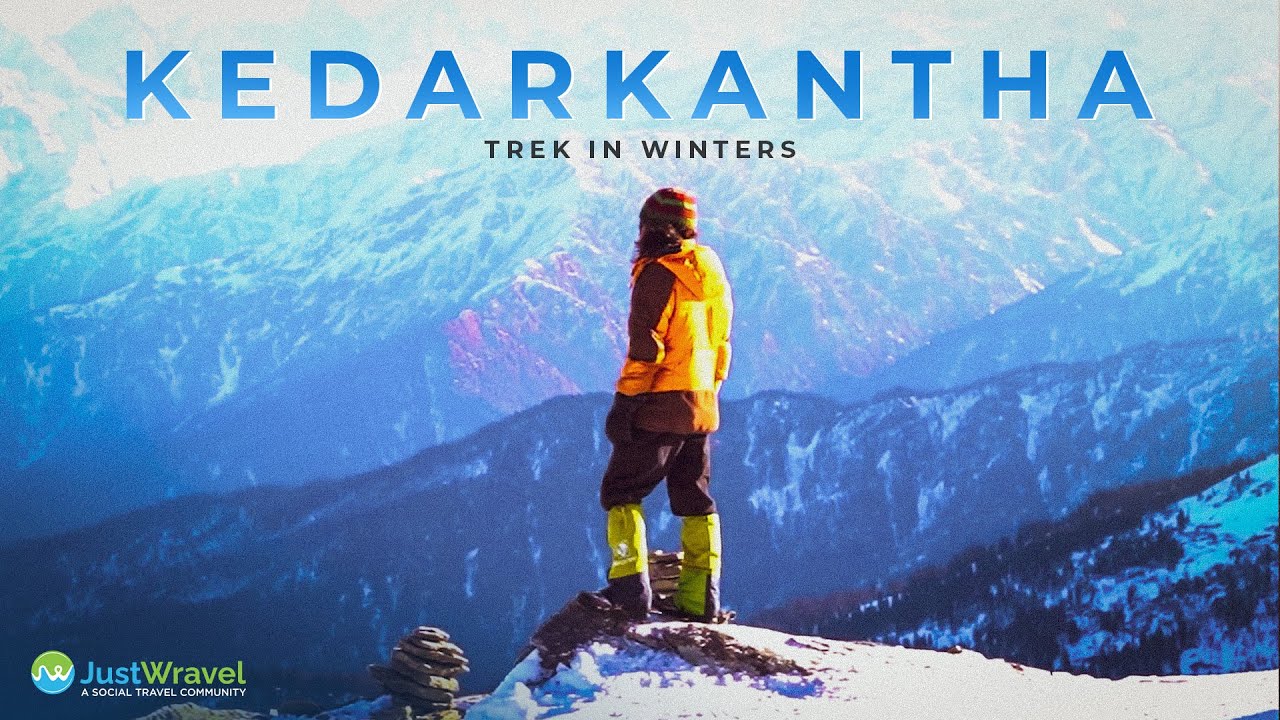
The Kedarkantha trek was truly a beautiful experience for me. I went as a solo trekker, wanting to spend time with myself… but the group came together so effortlessly that I just chose to go with the flow. And what a flow it was .. we bonded so easily. A big thank you to our trek guide, Aakash. He had a wonderful way of bringing everyone together. His perfectly timed real-life stories about Uttarakhand kept us engaged and made us fall in love with the place even more. He also knew when to gently keep us inside the tents at night and not be careless…He knew when to push, when to pause, and handled everything so smoothly, even during the snowfall. That balance made the journey feel both safe and enjoyable. The food was clean, comforting, and always served hot—freshly made after long days of walking in the cold. It honestly felt like a luxury. Some journeys aren’t about reaching a destination, but about experiencing every moment… and this was exactly that. Also, it was the first time I heard the line “Jithna gandha, utna zinda!” And honestly, it made perfect sense. No one cared about bathing, clothes were messy, and yet we felt so alive. In the mountains, you simply let go and live—and that feeling stays with you. The trek had its own rhythm, and we just flowed with it. And the nights… truly magical. Silent, dark, and filled with endless stars. India has such breathtaking places—this is something one must experience firsthand. A small suggestion, ending the trek with a nice sit-down chairs would make the journey feel even more complete. Also, a short pre-trek video on trek essentials would make one buy the right essentials … Next time, we’ll come back a little more “pro” This trek was truly life-changing. If you haven’t tried something like this yet, you absolutely should. Step out of your comfort zone, meet new people, explore new places, and embrace change…it really is what life is about. No words can fully capture this blessed land. The stunning landscapes, the ever-changing colors of nature, the quiet history etched in ancient surroundings, the rich flora and fauna, and the simplicity of the people—all of it stays with you. Kedarkantha is truly a perfect destination for nature lovers to loosen their soul and soak in the beauty of untouched nature. Overall, everything felt thoughtfully taken care of. I would definitely recommend JustWravel. Thank you to the entire group …so full of life and energy. Thank you, Aakash, for holding us together and making this an experience that still lingers. And thank you to the mountains for carrying us so gracefully through this journey. Looking forward to trek another mountain soon .. And yes with the same group and same guide. Fingers crossed.🤞⛄️🏔️

Kedarkantha Trek
Try Yourself
Arun Kumar
My Buran Ghati Trek with JustWravel was an unforgettable adventure filled with breathtaking landscapes and well-organized arrangements. > The entire trek was managed professionally, making the experience safe and enjoyable. > Our trek guide Rahul was highly knowledgeable, supportive, and motivated the group throughout the journey. > Their local expertise and calm handling of challenging sections gave us great confidence. > I would highly recommend JustWravel and their trekking team to anyone looking for a memorable Himalayan trekking experience.
Buran Ghati Trek
Try Yourself
sushil bomble
Hi Justwravel team, I just returned from Rupin Paas trek and I had to tell you how absolutely wonderful it was! First, our guide was outstanding! He was professional, knowledgeable, helpful, and encouraging . Next, the route this trip takes may be long and difficult at times, but it has filled with majestic beauty and this beauty has changes at every turn. The quality of the food was awesome. The accommodation arrangement was also very good . I had specially like to appreciate your second and third day's wooden stay. I will recommend your company to everyone I know and I look forward to taking another trip with you all in the future." -- Sushil
Rupin Pass Trek From Himachal
Try YourselfEvery trail tells a different story. We make sure yours is one worth remembering.

Trek with certified leaders and local guides who know every trail.

Our experienced team is prepared to support throughout changing conditions.

 AMC/BMC Certified
 Local Guides
 Mountain Expertise
We only leave footprints and protect every trail we explore.

Fresh, and wholesome meals to keep you energized throughout the trek.
India stands out as a premier global destination for treks because it is home to the majestic Himalayas. This mountain range is the youngest and tallest on Earth, offering an unmatched scale of grandeur. The altitude and diverse terrain attract adventurers from every corner of the world.
The seasonal diversity here is a major advantage for hikers. Each time of year opens up different trekking destinations in India. Summer provides access to high mountain passes, while winter creates magical snow trails. Unique monsoon treks allow people to see the landscape in its most vibrant and lush state.
Cost-effectiveness makes the treks accessible to a wide audience. Travelers enjoy world-class landscapes and expert guidance without the high costs of international expeditions. This balance of affordability and epic scenery secures India's spot as a top trekking hub.
India offers diverse trails that cater to different skill levels and seasonal preferences.
These trails are perfect for first-time trekkers for a gentle introduction to nature. Easy treks typically involve short walking hours and manageable altitude gains.
Most of these paths are well-defined and pass through scenic meadows or forests. Beginners can complete these journeys with basic fitness and a positive attitude.
The following treks are considered the best options for starting a mountain journey:
Moderate trails offer a balanced challenge for those with some previous hiking experience or good physical stamina.
These journeys involve longer walking durations and steeper climbs compared to easy routes.
The following treks are considered ideal moderate challenges:
Experienced explorers often seek the thrill of high altitude treks that reach elevations above 15,000 feet.
These expeditions require strong physical endurance and previous experience with mountain environments. Proper acclimatization and mental grit are essential for conquering these demanding summits.
These are the perfect treks for experienced trekkers seeking a challenge:
The colder months transform the landscape into a white paradise for adventure seekers. Winter treks in India are popular for their unique scenery and the excitement of walking on thick snow.
The following treks are the best choices for a snow-filled experience:
Summer treks in India provide access to high-altitude meadows that are otherwise buried under snow.
This season is ideal for crossing high passes and reaching remote valleys.
These are the top recommended summer trekking destinations:
Choosing the right trek depends on four key factors:
If you're trekking for the first time, routes like Kedarkantha, Dayara Bugyal and Nag Tibba are excellent starting points. Experienced trekkers looking for higher-altitude adventures can explore Rupin Pass, Pin Bhaba Pass, Buran Ghati or Friendship Peak.
Treks in Uttarakhand are famous for vast alpine meadows and sacred mountain peaks. The terrain ranges from gentle slopes to steep snow-covered ridges. These trails are suitable for families and first-time adventurers.
Himachal treks provide a rugged experience with high mountain passes and rocky paths. This area is ideal for people seeking adventure and dramatic landscape changes. Both beginners and experts find suitable challenges in this region.
Kashmir treks offer unmatched beauty with turquoise lakes and rolling green hills. This region is a top choice for moderate-level hikers. Treks in Kashmir region provides offbeat trails through dense jungles and remote villages for explorers looking for raw nature.
Before joining a trek, keep these points in mind:

Newsletter
Be the first one to know all about the Exciting Offers, Travel Updates and more.
11 minutes read
FAQ
Connect with us
Company
Group Tours
© 2015-2026 JustWravel Pvt. Ltd.