
Call Us
+91 97 97 97 21 75Call Us
+91 97 97 97 21 75
“Just completed my Sar Pass trek, it was an amazing experience thanks to our trek leader Vijay Rathi along with the helpers/staff people at homestays and campsites, they were very friendly and helpful, everyday breakfast, lunch, dinner was served on time especially at Nagaru camp where clean drinking water is limited. Thorough instructions were provided about how our each day was going to look like and about the dos and don’t. Loved it !”

Rahul Das
“Recently completed the Sar Pass trek with JustWravel, and it was an unforgettable experience. A big highlight of the trek was our trek leader, Vijay Rathee—one of the best trek leaders I’ve come across. His calm nature, deep knowledge, and ability to motivate and guide every participant—regardless of their experience level—was truly commendable. The food throughout the trek was really good, and the supporting staff was extremely helpful and kind.”

Vyas Devendranath
“I recently Completed Sar Pass Trek with Justwravel. All the arrangements and safety measures were up to mark. Our trek leader (Kavita) was the epitome of professionalism and enthusiasm, guiding us through challenging terrains with ease. Their extensive knowledge of the trail and local flora and fauna enriched our experience. Always prioritizing safety, they ensured a supportive and fun atmosphere, making our adventure unforgettable. Their passion for trekking was contagious, inspiring us to push our limits. Truly an asset to any trekking team, they made our journey not just a trek, but a lifetime memory.”

Anish Jain
“One of the best thing I have ever done in my life is Sar pass trek with Justwravel🩷💜 Wonderful guidance and ground help provided. All the best to Kavita Rajput ( insta if - a_boho_girl ) and team for this ultimate experience. 💜💜💜🩷🩷🩷🩷💜💜💜💜”

aditi landge
“Had an amazing experience while doing the Sar Pass trek solely because our trek leader Vishal was an amazing human being who understood the team we'll adapted to our capabilities. Some of us were slow, but that was never a problem for him, he just continued being his cheerful self and encouraged us to move on. Vishal also displayed proper planning and leadership skill. The trek was breathtaking in itself although slightly challenging so I wouldn't recommend it for beginners. I would grade it as moderate coz of the steepness of it at certain places. Also here's a pic of Vishal so you can ask for him on your trek.”

Rebecca Fernandes
“I went on sar pass trek with Justwravel and as usual had a very excellent and magnificent experience thankyou so much Justwravel for making this trip also a memorable one . And the Trip lead Vishal Tiwary was extremely kind and well versed with the mountains, he guided us really well and shared his best knowledge so that we can take care of our health and reach the summit in the best way possible. Ended the trip with lots of good memories and hope this journey continues!!”

neha singh
“It was my first time with Just Wravel and I did Sar Pass trek with them. I had an amazing experience in terms of stay as well as the trek. Stunning campsite, great food and our trek lead, Vishal, was extremely kind and very well versed with the mountains to guide us to summit despite bad weather conditions. Met a great bunch of people, couldn�t have asked for more, will recommend 100%”

Paridhi Aggarwal
“I had been on Sar Pass Trek with Just Wravel Team. I had a v good experience. They gave clear and accurate information about the trek. This was my first Himalayan trek. Our on-ground team lead was Vishal Tiwari for the trek. He was v experienced and professional. He helped us with each and everything and was very humble. Got to learn a lot from him and the other trekkers in the group. Thank you Just Wravel Team for making Sar Pass trek happen for me. Hope to book another trek soon.”

Prajwal Dhananjay
“Unforgettable Sar Pass Trek Experience with JustWravel (3–8 May 2025) I recently completed the Sar Pass trek with JustWravel, and it was nothing short of magical! The entire journey from May 3rd to 8th was beautifully organized and filled with breathtaking views, laughter, challenges, and unforgettable moments. A huge shoutout to our incredible trek leader Vijay Rathi, whose calm leadership, encouragement, and constant support made every step easier and more enjoyable. Also, special thanks to Rakesh bhai, our local guide, whose knowledge of the terrain and ever-smiling nature brought warmth and confidence throughout the trek. Every campsite—from Grahan to Min Thach to Nagaru—had its own charm, and the views at the summit of Sar Pass were absolutely surreal. The snow slide was a childhood dream come true! The food, considering the altitude, was surprisingly good, and the team ensured safety and comfort at every point. Special thank you to Trek Leader Vijay Rathi, Rakesh and other trek members Bhushan, Sahil, Sparsh, Deepak, Vyas, and Arnab for their unwavering support and care throughout the trek. I am truly grateful for your help and will always remember your kindness and leadership. I am also thankful to JustWraval for providing the cab facility immediately for free of cost as a part of the package. Once again thank you JustWravel for creating such a smooth and memorable experience.”

Dipak Pawar
“Did Sar Pass Trek recently and my leader was Kavita Rajput. She was very interactive and helped a lot during trek. Made it easy for me to do the trek.”

Anishka Prakash
VIDEOS
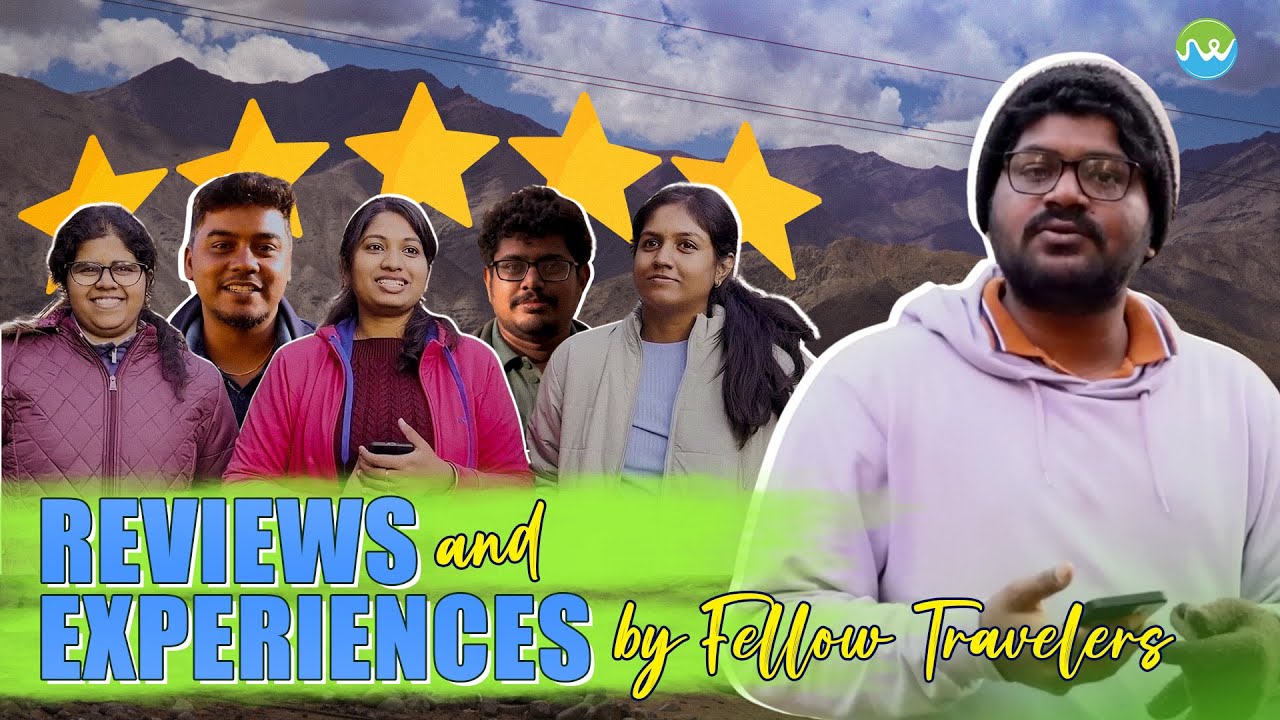
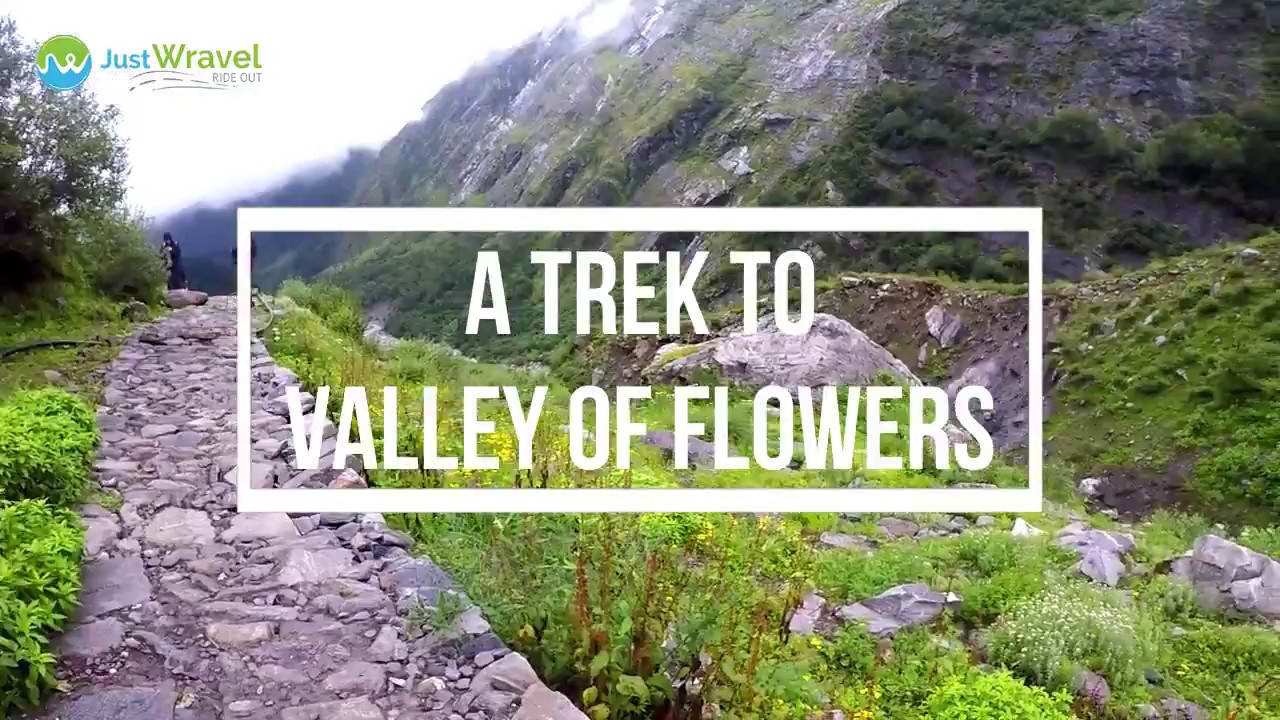
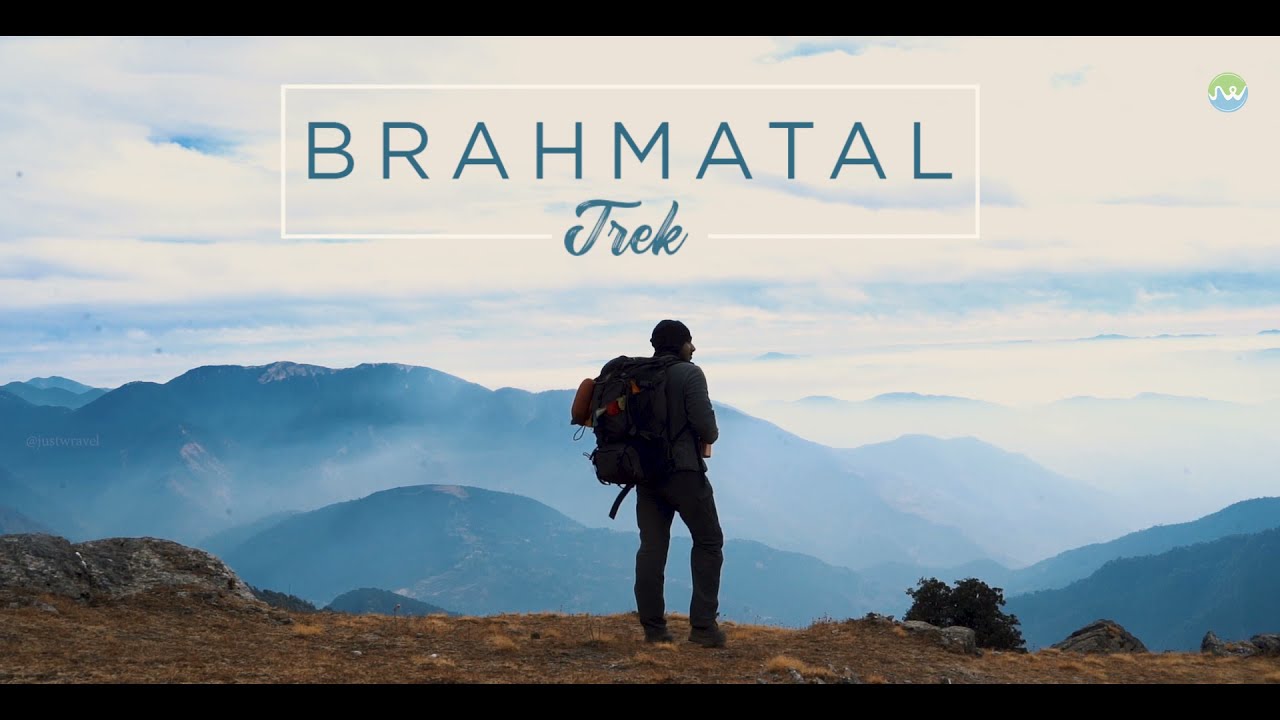
posts
REVIEWS
Rahul Das
Just completed my Sar Pass trek, it was an amazing experience thanks to our trek leader Vijay Rathi along with the helpers/staff people at homestays and campsites, they were very friendly and helpful, everyday breakfast, lunch, dinner was served on time especially at Nagaru camp where clean drinking water is limited. Thorough instructions were provided about how our each day was going to look like and about the dos and don’t. Loved it !
Vyas Devendranath
Recently completed the Sar Pass trek with JustWravel, and it was an unforgettable experience. A big highlight of the trek was our trek leader, Vijay Rathee—one of the best trek leaders I’ve come across. His calm nature, deep knowledge, and ability to motivate and guide every participant—regardless of their experience level—was truly commendable. The food throughout the trek was really good, and the supporting staff was extremely helpful and kind.
Anish Jain
I recently Completed Sar Pass Trek with Justwravel. All the arrangements and safety measures were up to mark. Our trek leader (Kavita) was the epitome of professionalism and enthusiasm, guiding us through challenging terrains with ease. Their extensive knowledge of the trail and local flora and fauna enriched our experience. Always prioritizing safety, they ensured a supportive and fun atmosphere, making our adventure unforgettable. Their passion for trekking was contagious, inspiring us to push our limits. Truly an asset to any trekking team, they made our journey not just a trek, but a lifetime memory.
aditi landge
One of the best thing I have ever done in my life is Sar pass trek with Justwravel🩷💜 Wonderful guidance and ground help provided. All the best to Kavita Rajput ( insta if - a_boho_girl ) and team for this ultimate experience. 💜💜💜🩷🩷🩷🩷💜💜💜💜

Sar Pass Trek Kasol
Try YourselfRebecca Fernandes
Had an amazing experience while doing the Sar Pass trek solely because our trek leader Vishal was an amazing human being who understood the team we'll adapted to our capabilities. Some of us were slow, but that was never a problem for him, he just continued being his cheerful self and encouraged us to move on. Vishal also displayed proper planning and leadership skill. The trek was breathtaking in itself although slightly challenging so I wouldn't recommend it for beginners. I would grade it as moderate coz of the steepness of it at certain places. Also here's a pic of Vishal so you can ask for him on your trek.
neha singh
I went on sar pass trek with Justwravel and as usual had a very excellent and magnificent experience thankyou so much Justwravel for making this trip also a memorable one . And the Trip lead Vishal Tiwary was extremely kind and well versed with the mountains, he guided us really well and shared his best knowledge so that we can take care of our health and reach the summit in the best way possible. Ended the trip with lots of good memories and hope this journey continues!!
Paridhi Aggarwal
It was my first time with Just Wravel and I did Sar Pass trek with them. I had an amazing experience in terms of stay as well as the trek. Stunning campsite, great food and our trek lead, Vishal, was extremely kind and very well versed with the mountains to guide us to summit despite bad weather conditions. Met a great bunch of people, couldn�t have asked for more, will recommend 100%
Prajwal Dhananjay
I had been on Sar Pass Trek with Just Wravel Team. I had a v good experience. They gave clear and accurate information about the trek. This was my first Himalayan trek. Our on-ground team lead was Vishal Tiwari for the trek. He was v experienced and professional. He helped us with each and everything and was very humble. Got to learn a lot from him and the other trekkers in the group. Thank you Just Wravel Team for making Sar Pass trek happen for me. Hope to book another trek soon.
Sar Pass Trek Kasol
Try YourselfDipak Pawar
Unforgettable Sar Pass Trek Experience with JustWravel (3–8 May 2025) I recently completed the Sar Pass trek with JustWravel, and it was nothing short of magical! The entire journey from May 3rd to 8th was beautifully organized and filled with breathtaking views, laughter, challenges, and unforgettable moments. A huge shoutout to our incredible trek leader Vijay Rathi, whose calm leadership, encouragement, and constant support made every step easier and more enjoyable. Also, special thanks to Rakesh bhai, our local guide, whose knowledge of the terrain and ever-smiling nature brought warmth and confidence throughout the trek. Every campsite—from Grahan to Min Thach to Nagaru—had its own charm, and the views at the summit of Sar Pass were absolutely surreal. The snow slide was a childhood dream come true! The food, considering the altitude, was surprisingly good, and the team ensured safety and comfort at every point. Special thank you to Trek Leader Vijay Rathi, Rakesh and other trek members Bhushan, Sahil, Sparsh, Deepak, Vyas, and Arnab for their unwavering support and care throughout the trek. I am truly grateful for your help and will always remember your kindness and leadership. I am also thankful to JustWraval for providing the cab facility immediately for free of cost as a part of the package. Once again thank you JustWravel for creating such a smooth and memorable experience.
Anishka Prakash
Did Sar Pass Trek recently and my leader was Kavita Rajput. She was very interactive and helped a lot during trek. Made it easy for me to do the trek.
Sar Pass Trek Kasol
Try Yourselfblogs
TRIPS

Newsletter
Be the first one to know all about the Exciting Offers, Travel Updates and more.
Safe Travel
Flexible Cancellation
Easy EMI
Certified Captains
24/7 Support

There are mountains you climb for adventure, and then there are mountains you climb to meet a different version of yourself. The Sar Pass Trek belongs firmly to the latter. Rising to an altitude of 13,850 ft, this trek unfolds through cascading waterfalls, lush green valleys, snow-covered slopes, and riverside trails that slowly pull you away from the familiar and into the quieter rhythms of the Himalayas.
Set in the Parvati Valley of Himachal Pradesh and easily accessible from Kasol, the Sar Pass Trek is one of the most popular high-altitude treks for those exploring the region. Many trekkers discover it while spending time in Kasol, often unaware that just beyond the cafés and roads lies a trail that leads into ancient villages, dense forests, and expansive alpine landscapes. It is this contrast — between the lively base and the solitude of the mountains — that gives Sar Pass its unique character.
Before the trail begins to climb into snow and silence, here is a brief snapshot of what defines the Sar Pass Trek:
The Sar Pass Trek starts from the quaint Grahan village, which is a tiny hamlet a few kilometers away from Kasol, and is surrounded by beautiful Rhododendron trees. Many people who visit Kasol are unaware of this peaceful village, and it remains a hidden gem of Himachal, where peace still exists.
The Sar Pass Trek begins near Kasol and moves toward the quiet hamlet of Grahan, a small village surrounded by rhododendron trees where time seems to slow down. As the trail progresses through places like Min Thach, Nagaru, and Biskeri Thach, the landscape shifts steadily — forest paths open into wide meadows, village trails fade into snowfields, and distant peaks begin to dominate the skyline. Each day covers a balanced distance, allowing the body to adapt naturally while offering enough variety to keep the journey engaging.
Did you know: In local Himachali, "Thach" means a high-altitude meadow used as summer pasture by shepherds and yaks.
Snow becomes a defining element as the trek approaches the higher reaches. The climb to Sar Pass itself is the most demanding day, involving long walking hours and an early-morning ascent across snow-covered slopes. From the top, sweeping views of the Parvati Valley and surrounding Himalayan ranges reward every step.
As per the latest 2026 trail updates, the route continues to remain well-established during the trekking season, with managed campsites and clearly defined trails that maintain both safety and the raw mountain experience.
What makes the Sar Pass Trek especially suitable for beginners is not the absence of challenge, but the way the challenge unfolds. There is no technical climbing involved; instead, the trek tests endurance, patience, and consistency. Long days, gradual altitude gain, and changing terrain allow first-time trekkers to experience what a true Himalayan expedition feels like, without overwhelming them.
Walking through Sar Pass is not just about reaching a summit or crossing a pass. It is about moving through forests, meadows, snowfields, and villages that still hold onto their quiet traditions. For those seeking snow, scenery, and a deeper connection with the mountains beyond the usual trails, the Sar Pass Trek offers an experience that stays with you long after the journey ends.
Day
Day
Day
Day
Day
Day
Weekend
Getaways
18-38
Himalayan
Treks
18-48
Backpacking
Trips
18-40
Biking
Trips
18-45
Customized
Trips
No Limit


| Inclusions | Exclusions |
|---|---|
Accommodation: 1 Night in Swiss Tent in Kasol(Triple/Quad Sharing), 1 Night in Homestay at Grahan(Triple/Quad Sharing), 3 Nights of Tented Accommodation on a double/triple sharing basis as per booking. Transportation: Surface transfer from Barshaini - Kasol by Sumo / Bolero. (If you choose the Delhi to Delhi package, transportation from Delhi to Delhi will be included) Meals: All Veg meals from Day 1st Dinner to Day 6th Lunch. Snacks: Morning / Evening Tea / Coffee with light snacks and soup while on the trek. Camping logistics: Tent, Sleeping bags, Mattresses, Dining tent, Toilet tent. Trek Leader: Qualified and Experienced Trek leader and support staff. The Trek Leader will join the group from Kasol to Kasol. However, they will be in touch with you from the start. Permits: All necessary fees and permits. Trekking Equipment: Gaiters, Micro Spikes, and Rope if required. Safety Equipment: Basic First Aid kit with Oximeter & Oxygen Cylinder. Guide ratio: 1:10 Others: Cloak Room facility available at base camp for extra luggage. | Any expenses of a personal nature. Transportation from the Kasol Bus Stand to the Kasol Campsite & back is not included Meals during transit. Any insurance of any kind. Any fees and permits (for non-Indians). Unscheduled delay due to a landslide. Cost Escalation due to “ Force Majeure and Evacuation charges”. Anything not mentioned explicitly in the above program. Note: You can apply for travel insurance prior to the trek. Bag offloading cost is Rs 4800 (maximum weight should not be more than 10 kg) |
| Upto 21 days | 20-15 days | 14-8 days | 7-0 days | |
|---|---|---|---|---|
| Batch Shifting | ||||
| Cancellation Charge | Free Cancellation | 25% of the Trip Amount | 50% of the Trip Amount | 100% of the Trip Amount |
| Booking Amount | Refunded in mode of Credit Note | Adjusted in Refund Deduction | Adjusted in Refund Deduction | No Refund |
| Remaining Amount | Full Refund (minus) booking amount | Refund (minus) 25% of the trip amount | Refund (minus) 50% of the trip amount | No Refund |
| Upto 21 days | 21-15 days | 14-08 days | 07-03 days | |
|---|---|---|---|---|
| Booking Amount | ||||
| 50% Payment | Optional | Compulsory | — | — |
| 75% Payment | Optional | Optional | Compulsory | — |
| 100% Payment | Optional | Optional | Optional | Compulsory |
Booking amount is non-refundable in cash and is adjusted per the cancellation policy above. Remaining balance must be paid as per the schedule for your batch date.
The Sar Pass Trek reaches a maximum altitude of approximately 13,850 feet (4,200 meters), making it one of the higher Himalayan treks accessible to beginners seeking a challenging yet achievable experience.
To plan your journey effectively, referring to a Sar Pass Trek complete guide can help you understand the nuances of this high-altitude adventure. The high point of the trek is the Sar Pass itself, which offers expansive views of the Parvati Valley, Tosh Valley, and the surrounding Himalayan ranges.
The total trekking distance of the Sar Pass Trek is around 48 kilometers, spread across 5 to 6 days. Each day typically involves 5 to 7 hours of walking, depending on the terrain, weather conditions, and individual pace. The route is designed with gradual altitude gain, allowing trekkers enough time to adapt while covering varied landscapes.
The trail passes through a mix of forest paths, alpine meadows, village trails, and snow-covered sections, especially at higher altitudes. This balance of distance and duration makes the Sar Pass Trek physically demanding yet manageable, offering trekkers a complete high-altitude trekking experience without technical climbing.
____________________________________________________________________________________
Choosing the right season plays a crucial role in shaping the overall Sar Pass Trek experience. Detailed research on the best time to do Sar Pass Trek is essential as snow conditions and visibility change significantly across months.
The Sar Pass Trek best time for those seeking snow-covered trails is April to June. During this period, higher sections of the trek still retain substantial snow, especially near the pass, allowing trekkers to experience snow slides and classic alpine scenery.
Weather conditions remain relatively stable, daytime temperatures are comfortable, and the trail is accessible without extreme winter risks. This is also why Sar Pass Trek in May is among the most preferred choices for first-time snow trekkers.
For trekkers who priorities mountain views and clearer skies over snow, September to October offers excellent conditions. Post-monsoon weather brings improved visibility, reduced cloud cover, and well-defined trails.
Snow cover is usually minimal during this time, making the trek suitable for those who want steady walking conditions and uninterrupted views of the surrounding Himalayan peaks.
The Sar Pass Trek snow experience varies year to year depending on winter snowfall. While early summer typically retains snow near the pass, autumn months focus more on dry trails and crisp mountain air. Trekkers should be prepared for sudden weather changes, especially at higher altitudes.
As per Sar Pass Trek latest observations and 2026 weather trends, snowfall in the region has shown a tendency to extend slightly into late spring, while autumn seasons have remained comparatively stable with clearer conditions. These shifts make advance planning and flexibility important, particularly for trekkers aiming for snow-dependent experiences.
____________________________________________________________________________________
The Sar Pass Trek is classified as an easy-to-moderate Himalayan trek. While it does not involve technical climbing or mountaineering skills, the altitude, long walking hours, and snow sections add a level of challenge that requires reasonable physical preparation.
When evaluating the difficulty level of Sar Pass Trek, it depends largely on your fitness. The most challenging part is the ascent to Nagaru and the climb towards the pass, involving steep gradients and snow-covered slopes. A basic level of fitness—attained through regular cardio like jogging or cycling—is essential to comfortably complete the 5 to 7 hours of daily walking.
When people ask “is sar pass trek difficult?”, the answer depends largely on fitness and preparedness. The trail is generally well-defined, but certain sections demand sustained effort.
The most challenging part of the trek is the ascent to Nagaru and the subsequent climb towards Sar Pass, which involves steep gradients and early-morning trekking over snow-covered slopes. These sections can feel demanding, especially for first-time trekkers, due to altitude and endurance requirements rather than technical difficulty.
A basic level of fitness is essential to comfortably complete the trek. Trekkers should be able to walk for 5 to 7 hours a day across mixed terrain, including steep ascents and descents. Prior experience in trekking is helpful but not mandatory. Regular cardio preparation—such as brisk walking, jogging, cycling, or stair climbing—before the trek significantly improves comfort and stamina on the trail.
Overall, the Sar Pass Trek offers a balanced challenge. It pushes physical limits without being overwhelming, making it an excellent choice for those ready to step into high-altitude trekking with the right preparation and mindset.
____________________________________________________________________________________
When choosing a Himalayan trek, it is common to compare Sar Pass with other popular options like Hampta Pass or Kedarkantha. There are many unique reasons to visit Sar Pass Trek, such as its iconic snow slide and the cultural depth of the Parvati Valley. Understanding these differences helps clarify why Sar Pass stands out for certain trekkers.
The comparison of sar pass trek vs hampta pass trek often comes down to terrain and experience.
Hampta Pass Trek is shorter and more dramatic in terms of landscape contrast, transitioning quickly from lush valleys to cold deserts.
Sar Pass, on the other hand, is a longer and more immersive journey through forests, alpine meadows, and extended snowfields. The iconic snow slide near Sar Pass and the gradual progression through the Parvati Valley give it a more classic Himalayan expedition feel, especially for beginners seeking sustained adventure rather than a quick pass crossing.
In the debate of sar pass trek vs kedarkantha, seasonal experience plays a key role.
Kedarkantha is primarily a winter summit trek known for short duration and summit views, making it ideal for first-time winter trekkers.
Sar Pass offers a more diverse trail spread over multiple days, combining villages, meadows, and snow-covered slopes. Unlike Kedarkantha’s single summit push, Sar Pass provides a continuous high-altitude journey with the added cultural richness of the Parvati Valley.
Comparing sar pass trek vs kheerganga highlights the difference between a trek and a hike.
Kheerganga is a short, beginner-friendly hike popular for hot springs and easy access from Kasol. Sar Pass is a true multi-day trek that demands endurance, acclimatisation, and preparation.
While Kheerganga suits casual travellers, Sar Pass is better suited for those seeking a deeper Himalayan trekking experience with challenging terrain and snow sections.
Sar Pass stands out for its iconic snow slide, extended snow walking near the pass, and the cultural depth of the Parvati Valley. The trek offers a rare combination of snow trekking, varied landscapes, and village life, all within a non-technical framework.
For trekkers looking to progress beyond short hikes and experience a complete Himalayan trail that balances adventure, scenery, and culture, the Sar Pass Trek remains a compelling choice.
____________________________________________________________________________________
The trek follows a classic high-altitude trail through the Parvati Valley, offering a steady progression from forested villages to snow-covered mountain terrain.
The sar pass trek route begins near Kasol and gradually ascends through a mix of cultural landscapes and remote alpine zones before descending toward Barshaini, making it a complete Himalayan circuit rather than a single out-and-back trail.
The sar pass trek Kasol route typically starts from Kasol, with the initial ascent leading to Grahan Village, a quiet mountain hamlet known for its wooden houses and slow-paced life. Weather conditions in this region, including Grahan village weather, are generally cool and pleasant during the trekking season, with temperatures dropping noticeably at night. After crossing the pass, the trail descends through Biskeri Thach and eventually concludes near Barshaini, close to the Parvati River.
In the early stages, the trail passes through dense forests of pine, oak, and rhododendron, gradually opening into expansive alpine meadows locally known as thach. Campsites such as Min Thach, Nagaru, and Biskeri Thach are set in wide open landscapes, offering unobstructed views of surrounding peaks and valleys. These transitions—from shaded forest paths to open high-altitude grazing grounds—form one of the most memorable aspects of the trek.
The defining highlight of the route is the climb to Sar Pass itself. Just before the final ascent, trekkers encounter a small frozen pond known locally as “Sar,” from which the pass takes its name. Surrounded by snowfields, this quiet alpine feature adds a distinct character to the trail and signals the approach to the highest point of the trek. Crossing the pass involves walking across snow-covered slopes, followed by panoramic views that stretch across the Parvati and Tosh valleys.
Overall, the Sar Pass Trek route delivers a rich trail experience marked by continuous landscape changes, scenic campsites, and a rewarding high-altitude crossing that leaves a lasting impression on trekkers.
____________________________________________________________________________________
The Sar Pass Trek starts from the Kasol region in the Parvati Valley, which serves as the primary base camp for the trek. Kasol is well connected to major cities in North India and can be reached by air, rail, and road with convenient last-mile options.
If you are planning your logistics, knowing how to reach Sar Pass effectively is key to a stress-free start.
For most trekkers, the preferred way to reach Kasol from Delhi or Chandigarh is by road. Regular overnight buses and private taxis operate to Bhuntar from both cities. The road journey typically takes around 10–12 hours from Delhi and 8–9 hours from Chandigarh, depending on traffic and weather conditions. From Bhuntar, Kasol is approximately 30 km away and easily accessible by local taxis or buses.
The nearest airport to Kasol is Bhuntar Airport (Kullu–Manali Airport), located about 31 km from Kasol. Daily flights operate from Delhi to Bhuntar, subject to weather conditions. From the airport, trekkers can hire a taxi or take a local bus to reach Kasol, which usually takes about 1 to 1.5 hours.
The closest major railway station is Chandigarh Railway Station, which is well connected to Delhi and other northern cities. From Chandigarh, travellers can continue the journey by bus or taxi to Bhuntar and then onward to Kasol. Joginder Nagar is the nearest narrow-gauge station, but it has limited connectivity and is generally not recommended for long-distance travellers.
Kasol acts as the Sar Pass Trek starting point, with local transport readily available for short transfers to nearby villages such as Grahan, where the trek officially begins. Trekkers are advised to reach Kasol a day in advance to account for travel delays and to acclimatise before starting the trek.
____________________________________________________________________________________
The Sar Pass Trek offers a well-organised stay and meal arrangement designed to provide comfort and safety in remote mountain conditions. Accommodation and food are planned to support long trekking days while maintaining basic hygiene standards in high-altitude environments.
Accommodation on the Sar Pass Trek is designed to match the remote and high-altitude nature of the trail. Trekkers stay at a combination of base camp guesthouses and designated high-altitude campsites, set in open meadows and mountain clearings. Staying in tents is a core part of the experience, offering uninterrupted views of surrounding valleys and a close connection with the Himalayan environment.
Food during the Sar Pass Trek is planned to support long walking days and cold conditions rather than indulgence. Meals are warm, freshly prepared, and focused on maintaining energy and hydration at altitude. Expect simple, nourishing vegetarian food served at campsites, along with hot beverages that help regulate body temperature during early mornings and evenings.
Basic hygiene and safety standards are maintained across all campsites. Cooking and dining areas are kept clean, food is prepared by trained staff, and waste is managed responsibly to minimise environmental impact. These arrangements ensure that trekkers can focus on the trail experience while staying well-fed and comfortable throughout the journey.
____________________________________________________________________________________
Packing correctly is essential for a safe and comfortable experience on the Sar Pass Trek, especially because of snow sections, long walking hours, and changing mountain weather. The focus should be on warmth, protection, and personal preparedness rather than carrying excess items.
Layering is crucial due to temperature variations between day and night. Trekkers should carry thermal base layers, insulating mid-layers such as fleece or down jackets, and an outer waterproof and windproof jacket. Trekking pants that dry quickly, along with an extra warm layer for evenings, are recommended. Woollen caps, insulated gloves, and neck gaiters are essential for protection against cold winds and snow near the pass.
High-ankle trekking shoes with good grip and waterproofing are strongly recommended for snow, slush, and uneven terrain. Trekking poles help maintain balance during steep ascents and descents, particularly near Nagaru and during the pass crossing. Sunglasses are important to protect the eyes from snow glare, while sunscreen and lip balm help prevent sunburn at high altitude.
Personal items should be kept minimal yet practical. A sturdy backpack with a rain cover, refillable water bottles, basic toiletries, and personal medications are essential. Headlamps or torches are useful for early-morning starts, and a lightweight pair of camp footwear adds comfort after long trekking days. Carrying quick-dry towels and a small personal first-aid pouch for minor needs is also advisable.
Trekkers should carry a valid government-issued ID, a few passport-size photographs, and some cash, as digital payments may not be available in remote areas. Energy snacks, reusable cutlery, and waste bags help maintain hygiene and minimize environmental impact on the trail.
Carrying only what is necessary helps maintain balance and endurance on the trail, making the Sar Pass Trek more manageable and enjoyable.
____________________________________________________________________________________
Trekking to Sar Pass Trek involves navigating remote terrain, high altitudes, snow sections, and changing weather conditions. Understanding safety practices and permit requirements is essential for a secure and well-prepared journey.
Safety on the Sar Pass Trek is managed through structured planning and on-ground support. Gradual altitude gain across multiple days allows trekkers to acclimatise naturally, reducing the risk of altitude-related issues.
Trek leaders closely monitor weather conditions, trail status, and group movement, particularly on snow-covered and steep sections of the route. Trekkers are advised to stay hydrated, maintain a steady pace, and report any discomfort early to ensure timely assistance.
Cold temperatures, snow glare, and slippery terrain are common at higher elevations, which is why appropriate clothing, footwear, and basic personal preparedness play a key role in overall safety. Walking in a group and following the trek leader’s instructions further enhances safety throughout the journey.
The Sar Pass Trek permit and required forest permissions for trekking in the Parvati Valley are arranged as part of the trek package. Trekkers do not need to apply separately for these permits. However, carrying a valid government-issued photo ID is mandatory, as it may be required for verification during the trek.
By managing permits in advance and maintaining on-ground safety protocols, the Sar Pass Trek offers a well-supported environment that allows trekkers to focus on the trail experience rather than logistical concerns.
Choosing the right trekking organizer plays a key role in shaping the overall trekking experience. With Sar Pass Trek, JustWravel focuses on delivering a well-managed, safe, and community-driven journey that goes beyond simply completing the trail.
Each Sar Pass Trek booking with JustWravel is organized as a guided group departure, led by experienced trek leaders familiar with the terrain, weather patterns, and on-ground conditions of the Parvati Valley. Group sizes are planned to ensure smooth coordination, better trail management, and a supportive trekking environment for both beginners and experienced participants.
Safety remains a core priority throughout the trek. From gradual acclimatization and route planning to on-trail supervision during snow sections and steep climbs, every aspect is handled with care. This structured approach allows trekkers to focus on the experience while essential safety measures and logistics are taken care of.
JustWravel has built a strong trekking community through consistent operations across Himalayan trails. Trekkers benefit not only from organized logistics but also from shared group experiences that foster camaraderie, encouragement, and long-lasting connections on the trail. This community-driven model adds depth to the overall Sar Pass Trek package experience.
Sar Pass Trek departures for the latest 2026 batches are planned with updated trail insights, campsite management, and seasonal considerations in mind. This ensures a smoother, more reliable trekking experience aligned with current mountain conditions.
If you’re looking for a well-supported Himalayan trek that balances adventure, safety, and shared experiences, the Sar Pass Trek with JustWravel offers a dependable way to step into high-altitude trekking.
Don’t be a Crap Bag You are in nature’s lap Kindly take that garbage back
If you’re wondering what our Keep The Trails Alive campaign is all about, it’s simple: without proper management, many Himalayan trails face the threat of over-tourism. The Sar Pass Trek passes through ecologically sensitive zones of the Parvati Valley, where forests, meadows, and high-altitude landscapes are easily impacted by human negligence.
As responsible trekkers, we won’t let that happen. When you trek with JustWravel, you ensure that everything you carry into the mountains is carried back with you. We leave nothing behind except our respect for the land and the quiet memories that stay with us long after the trail ends.
Trekking at a high altitude of 13,850 ft on the Sar Pass route requires well-defined operational and safety standards. Here’s how we manage the ground reality:
Acclimatization is the critical process of letting your body adjust to lower oxygen levels. We follow a gradual ascent (300-500 meters per day above 3,000m) and incorporate rest days. Staying hydrated (3-4 liters daily) and a carbohydrate-rich diet are essential to prevent altitude sickness.
Mountain weather is unpredictable, especially near high-altitude passes like Sar Pass. Whether it’s a sudden storm or an emergency, we always have contingency plans. Our experienced guides use their deep understanding of the mountains to assess conditions effectively, ensuring you remain safe and comfortable no matter what challenges arise.
Connect with us
Company
Group Tours
© 2015-2026 JustWravel Pvt. Ltd.


