
“Mountains are the beginning and the end of all-natural scenery.” – John Ruskin
If John Ruskin had ever experienced the Sar Pass Trek, he might have rephrased this thought altogether. Such is the visual and experiential richness of this Himalayan trail. Sar Pass Trek offers a rare combination of lush forests, alpine meadows, snow-covered passes, and remote mountain villages—making it one of the most rewarding treks in Himachal Pradesh.
Located in the heart of the Parvati Valley, the trek starts from the scenic village of Kasol and gradually ascends into the high Himalayas, offering breathtaking views and a true sense of wilderness.
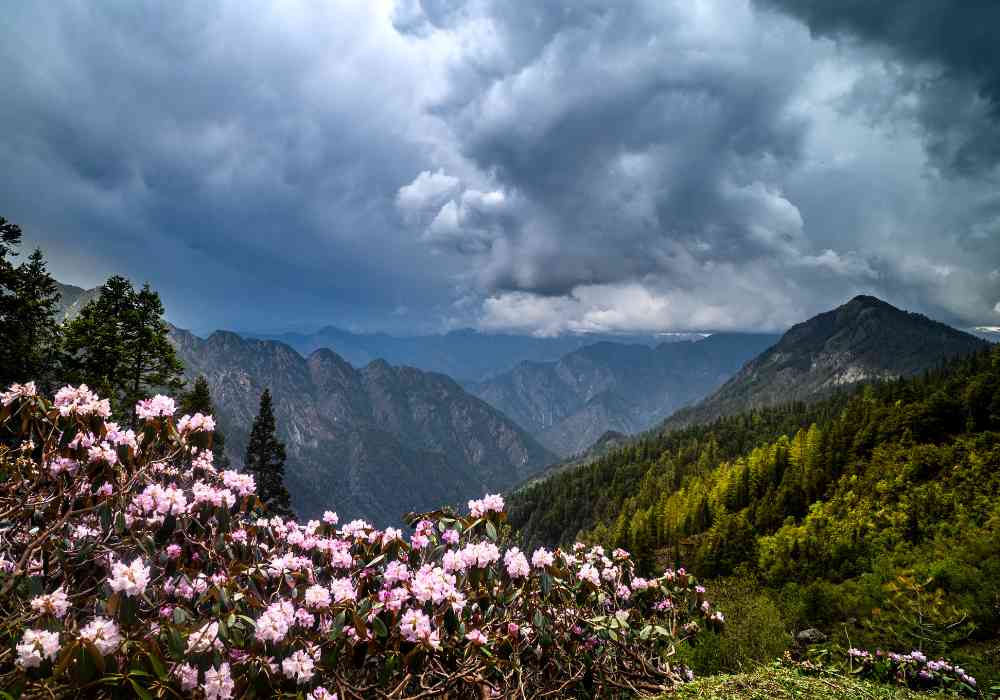
The trek takes you through beautiful forests of pine, deodar, and rhododendrons, and you’ll also get to visit the charming village of Grahan in the Parvati Valley. One of the highlights of the trek is the opportunity to camp under a sky full of twinkling stars, which is truly a life-changing experience.
The Sar Pass Trek is a popular choice for both beginners and those looking for a moderate challenge. It covers a distance of 48 kilometers and allows you to explore the diverse landscapes of the majestic Himalayas.
Starting from Kasol, located in the Parvati Valley of Himachal Pradesh, the trek reaches an elevation of 13,800 feet. Throughout the trek, you’ll encounter a variety of terrains and ecosystems. From the vibrant green forests of deodar, pine, and rhododendrons to the snowy peaks and vast grasslands, the scenery is truly awe-inspiring. The temperatures range from 22°C to -5°C, making it suitable for all levels of hikers.
Key Facts About Sar Pass Trek
- Duration: 5 Nights / 6 Days (Kasol to Kasol)
- Base camp: Kasol
- Altitude: 13850 ft
- Trek Distance: ~48 km
- Trek Level: Moderate
- Best Time: April–June (Snow) | September–October (Clear Views)
- Temperature: 13°C to 17°C (Day) | 0°C to -5°C (Night)
What is Sar Pass Trek
The Parvati Valley, located in the Kullu district of Himachal Pradesh, is truly a mesmerizing natural wonder. It has gained worldwide recognition as a favorite destination for walkers and adventurers alike.
Within the Parvati Valley, the Sar Pass Trek stands out as the most popular and thrilling route. The name “Sar Pass” holds a significant meaning as the locals refer to the frozen lake as “Sar” in their native language. This route, known for its challenging terrain, takes you from Tila Lotni to Biskeri Bridge, allowing you to traverse the breathtakingly beautiful lake. It is considered one of the top high altitude treks in Himachal Pradesh.
What sets the Sar Pass Trek apart is the sheer beauty that surrounds you at every step. The entire journey is a captivating experience that will leave you in awe. With an elevation of 13,850 feet, the Sar Pass Trek is a true test of one’s endurance.
The trek begins at the base camp in Kasol, a popular tourist destination often referred to as the “Mini Israel of the Himalayas.” Kasol is nestled amidst vast green alpine wilderness, adorned with Deodar trees, Rhododendrons, and Pinewood forests.
Situated near the river Parvati, Kasol also offers the unique advantage of being close to other tourist hotspots like Manikaran and Barshaini.
- Manikaran holds religious significance for both Hindus and Sikhs, while Barshaini serves as the base village for the renowned Kheer Ganga trek.
As you make your way through the Sar Pass Trek, you’ll have the opportunity to witness a wide range of flora and fauna. Towering pine, spruce, deodar, and fir trees line your path, and you may come across medicinal plants like Brahma Kamal and Hatha Panja.
Wildlife enthusiasts will be thrilled to spot rare species such as Brown Bears and Himalayan Tahr, as well as beautiful birds like Western Tragopan and Monal Pheasant.
The trek also takes you through enchanting villages like Grahan and scenic meadows like Min Thach and Biskeri Thach. In Grahan Village, you can enjoy mesmerizing views of the starry night sky, an experience that will leave you in awe. The journey continues to Nagaru, where the landscapes transform into a snowy wonderland.
The Sar Pass Trek offers an exhilarating adventure through stunning landscapes and allows you to connect with nature in a profound way. Whether you’re a beginner or an experienced trekker, this trek is sure to leave you with unforgettable memories.
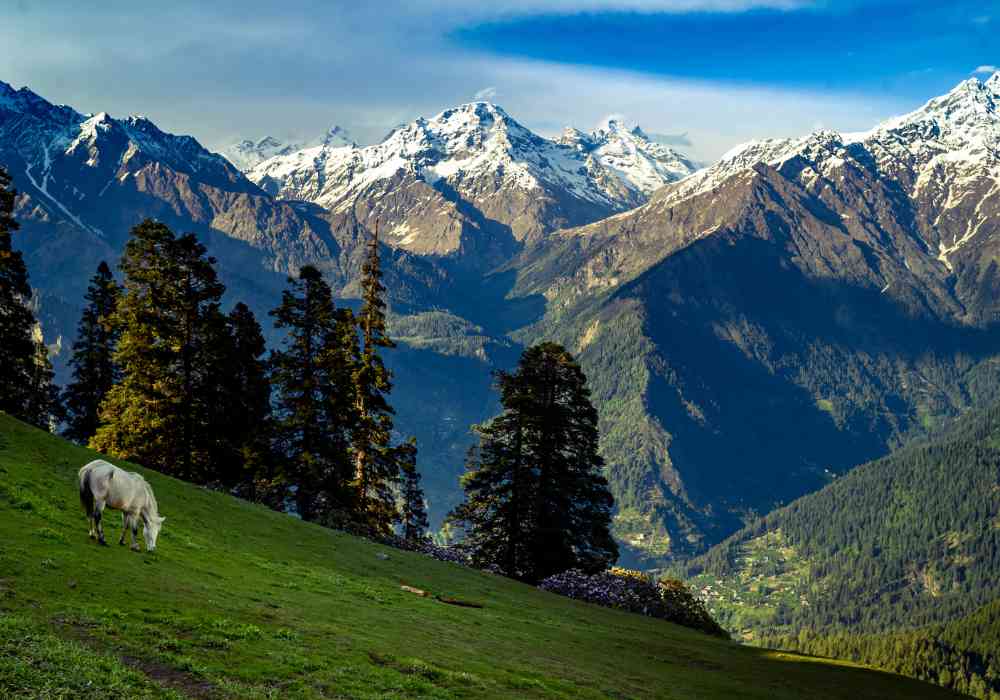
One fascinating aspect of this trek is that it begins amidst vibrant greenery and gradually transforms into a snowy landscape as you approach the pass. Along the way, you will encounter diverse terrains including grasslands, woodlands, and patches of snow.
This relatively easy trek is perfect for beginners and anyone seeking to experience the beauty of the Himalayas. Overall, Sar Pass offers a remarkable adventure that should not be missed by anyone.
How to Reach Sar Pass Trek
To get to Kasol, the main village for the Sar Pass Trek, you can follow these general directions:
- By Air: The closest airport to Kasol is Bhuntar Airport, which is about 31 kilometers away. You can take a flight from major cities like Delhi or Chandigarh to Bhuntar Airport. From there, you can hire a taxi or take a local bus to Kasol.
- By Train: The nearest major railway station to Kasol is Pathankot Railway Station, which is well-connected to major cities in India. From Pathankot, you can take a bus or hire a taxi to reach Kasol. Another option is to take a train to Chandigarh Railway Station and then continue your journey to Kasol by bus or taxi.
- By Road: Kasol is easily accessible by road and can be reached by bus or taxi from various cities. Here are a few common routes:
- From Delhi: You can take a bus from Delhi to Bhuntar, which is the nearest major town to Kasol. From Bhuntar, you can take a local bus or hire a taxi to reach Kasol, which is approximately 30 kilometers away.
- From Chandigarh: You can take a bus or hire a taxi from Chandigarh to Kasol. The distance between Chandigarh and Kasol is around 275 kilometers.
- From Manali: If you are coming from Manali, you can take a local bus or hire a taxi to Kasol. The distance between Manali and Kasol is approximately 80 kilometers.
Whether you’re traveling from Delhi, Chandigarh, or Manali, planning your journey in advance helps. Read this detailed guide on How to Reach Sar Pass Trek for updated routes and transport options.
Reasons to Visit Sar Pass Trek
- Beginner Friendly Trek: The Sar Pass Trek is an ideal choice for beginners who want to explore various types of terrain. To understand what makes this trail so popular among first-time trekkers, explore the detailed Reasons to Visit Sar Pass Trek.
- Diverse Landscapes: One of the remarkable features of the Sar Pass Trek is the diverse landscapes it covers. As you embark on this adventure, you will traverse through pine forests, cross river streams, and pass through vast meadows. Additionally, you will encounter high-altitude passes covered in snow and ice, adding to the challenge and excitement for thrill-seekers.
- Breathtaking Mountain views: Another highlight of this trek is the awe-inspiring mountain views it presents. Throughout the journey, you will be treated to breathtaking vistas of majestic snow-capped peaks, glaciers, and valleys. Moreover, the trek allows you to immerse yourself in the local culture and traditions as you pass through remote villages and hamlets.
Best Time to Visit Sar Pass Trek
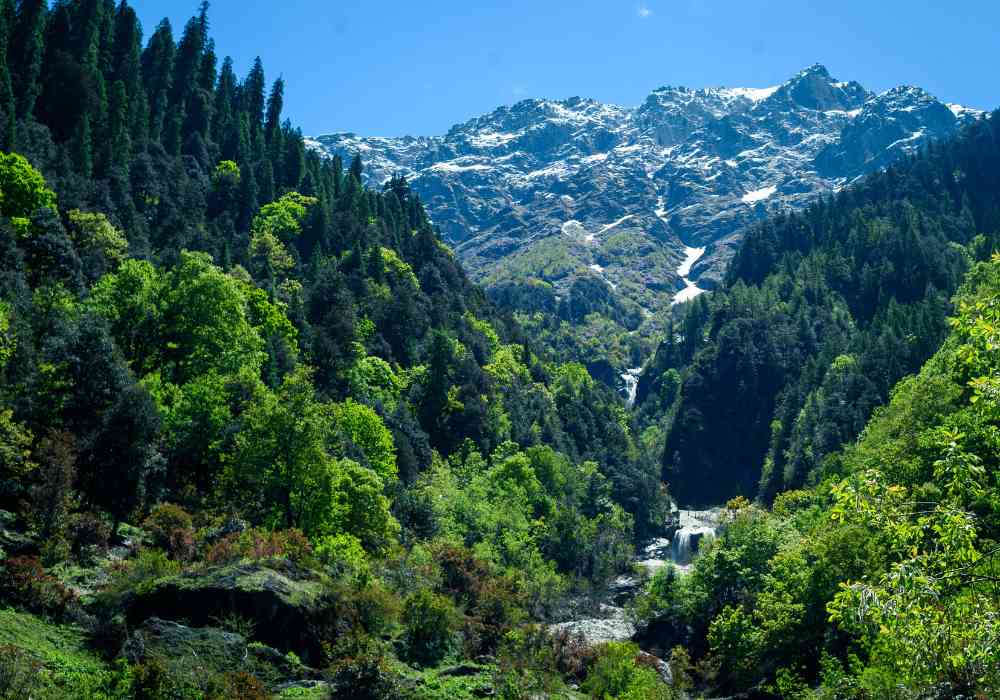
The Sar Pass Trek is best done between the months of April and October. During this period, trekkers can enjoy breathtaking panoramic views and comfortable trekking conditions, making it the Best Time to Visit Sar Pass Trek for most beginners and experienced hikers alike.
Additionally, you will have the opportunity to experience the warm hospitality and friendliness of the people living in the Himalayan villages, giving you a glimpse into their daily lives.
The trek also offers a chance to witness the diverse biodiversity of the area. Due to the varying altitudes, you will come across a wide range of plant species, including different types of Pine, Deodar, Spruce, Fir, and medicinal plants like Brahma Kamal and Hatha Panja.
Wildlife enthusiasts may also be lucky enough to spot species such as the Himalayan Tahr, Brown Bears, and various bird species like the Monal pheasant and Western Tragopan.
Brief Itinerary for Sar Pass Trek
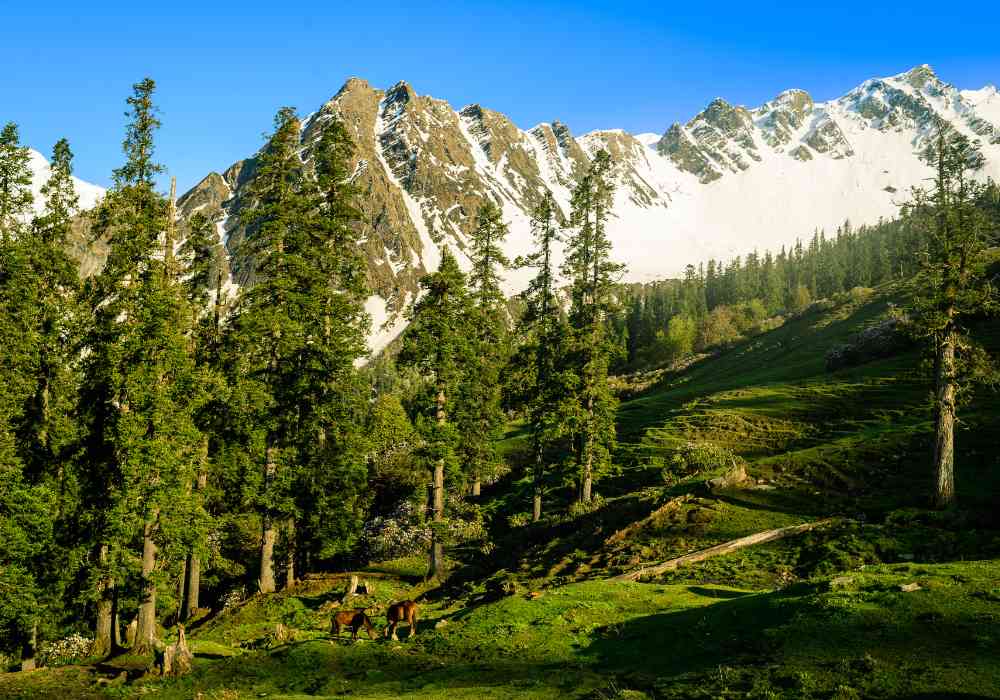
Day 1: Kasol Arrival | Group Introduction
The designated meeting point for the group will be in Kasol, which acts as the starting point for the sar pass trekking. Our arrival at the campsite is scheduled for 12:00 PM, although this time is subject to change.
For the remainder of the day, participants are free to explore and enjoy themselves, with a suggestion to visit various cafes in Kasol and partake in local sightseeing activities. In the evening, we will gather for dinner and spend the night in Kasol.
Day 2: Trek to Grahan Village (7 Kms | 4 Hrs Trek)
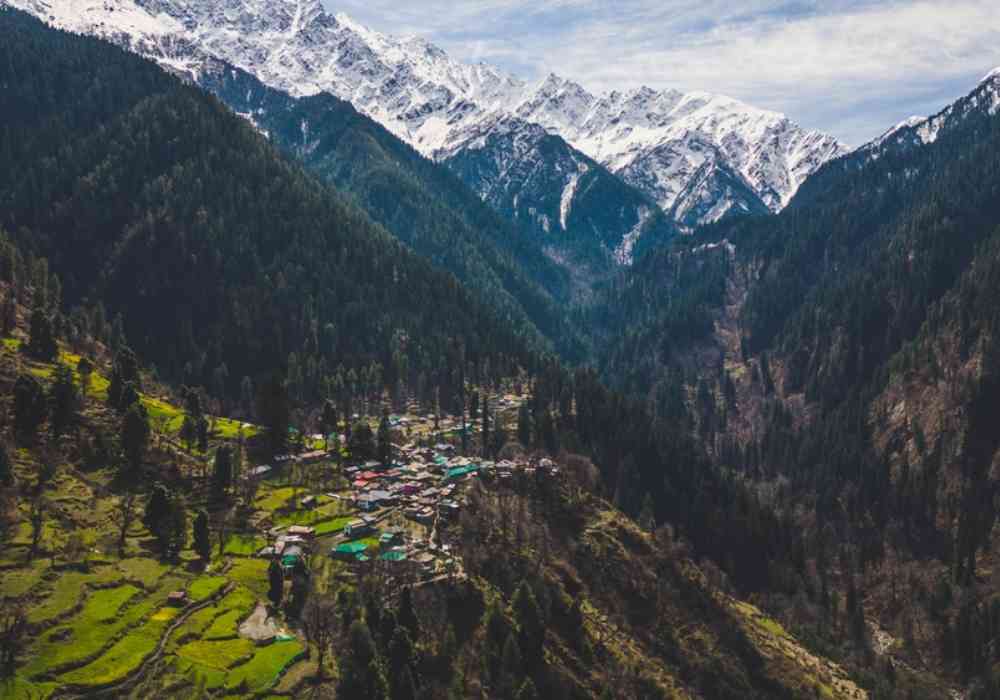
Following an early morning breakfast, we will proceed towards Grahan village, one of the campsites along the trek. Grahan is a charming little settlement nestled in the serene landscapes of Himachal, far away from the chaos of urban life.
En route to Grahan, you will be treated to breathtaking green meadows and the melodious symphony of birds. The ever-flowing Parvati river will cleanse your mind of any worries. Later in the evening, we will enjoy a delicious dinner and stay overnight in Grahan.
Day 3: Grahan to Min Thach (9 Kms | 6 Hrs Trek)
After another early morning breakfast, our journey will lead us to Min Thach. As you traverse through the enchanting forests reminiscent of paradise, the Kanwar wildlife sanctuary will serve as a picturesque backdrop. The calls of various animals and birds will serenade your ears.
Upon reaching our campsite, you are welcome to explore the surroundings, where you may witness peacefully grazing cattle in the fields. If you venture a little further, you will catch a glimpse of Nagaru and Sar Top.
At Min Thach, indulge in the mesmerizing experience of stargazing before we gather for dinner and spend the night.
Day 4: Min Thach to Nagaru (6 Kms | 4 Hrs Trek)
Following breakfast, we will make our way to Nagaru, situated at an altitude of 12,500ft. This campsite holds the distinction of being the highest and coldest point of the trek.
Although the trek is relatively short, the sight that awaits you at the end is truly rewarding, showcasing the stunning landscapes of the Beas river, Parvati valley, Chanderkhani, and Grahan village.
We will set up our camp at the Nagaru base, allowing you ample time to appreciate the tranquility and scenic beauty of the entire valley. In the evening, a delectable dinner will be served, and we will spend the night in Nagaru.
Day 5: Nagaru to Biskeri Thach via Sar Pass (14 Kms | 10 Hrs Trek)
We shall arise a tad earlier to witness the majestic sun ascend from beyond the towering mountains, an awe-inspiring spectacle to behold. Subsequently, a delectable breakfast shall be savored before embarking on our expedition towards Biskeri Thach.
During our journey, we shall traverse the frozen expanse of Sar Pass, a crystalline lake that serves as a connecting link between the enchanting Parvati valley and the captivating Sainj Valley. It is amidst this frozen wonderland that we shall tread, mesmerized by its ethereal beauty.
As the day progresses, we anticipate reaching the Biskeri Thach campsite just in time to relish the captivating hues of the setting sun. A delightful dinner shall be served, allowing us to indulge in culinary delights. An overnight stay amidst the splendor of Biskeri Thach shall follow, ensuring a peaceful slumber.
Day 6: Biskeri Thach to Barshaini (10 Kms | 4 Hrs Trek) | Drive to Kasol (17 Kms | 1 Hr Drive) | End of Tour
With the break of dawn, we shall commence our descent towards Barshaini, where the Parvati river shall bid us a heartfelt farewell. Upon arrival at Barshaini, we shall embark on our homeward journey, cherishing the cherished memories we have created along the way.
In the charming town of Kasol, our paths shall diverge, leaving us with a tapestry of cherished moments woven into our hearts. Thus, concludes our remarkable sojourn, a testament to the beauty and grandeur of nature.
Altitude Covered During Sar Pass Trek (In Meters)
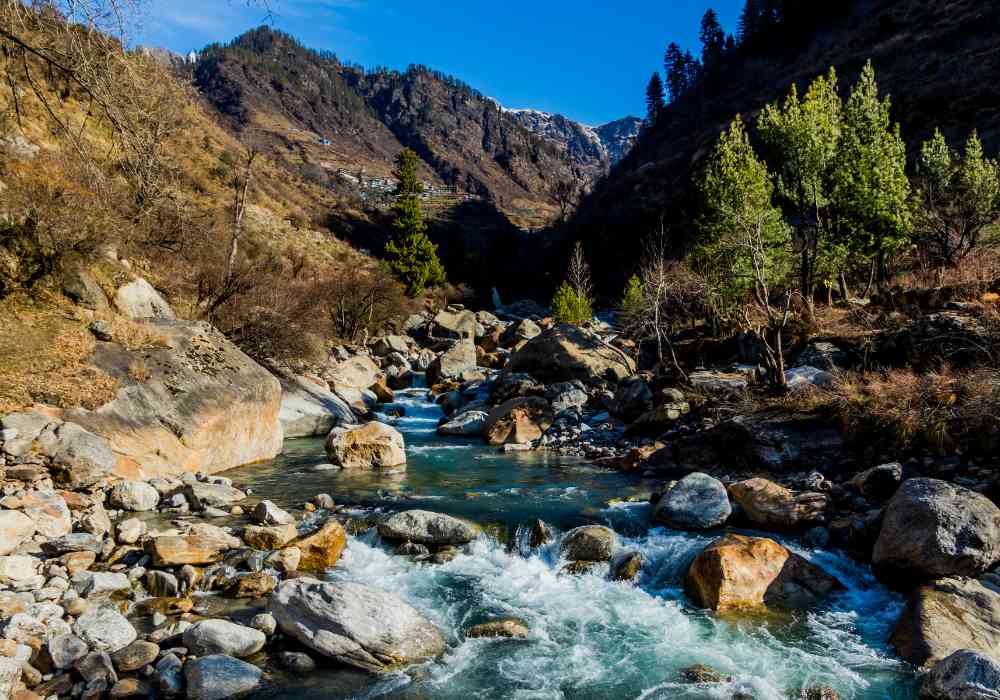
| Campsite | Altitude |
| Kasol | 1,580 m |
| Grahan | 2,350 m |
| Min Thach | 3,400 m |
| Nagaru | 3,800 m |
| Sar Pass | 4,200 m |
| Biskeri Thach | 3,350 m |
| Barshaini | 2,400 m |
Activities to Do at Sar Pass Trek
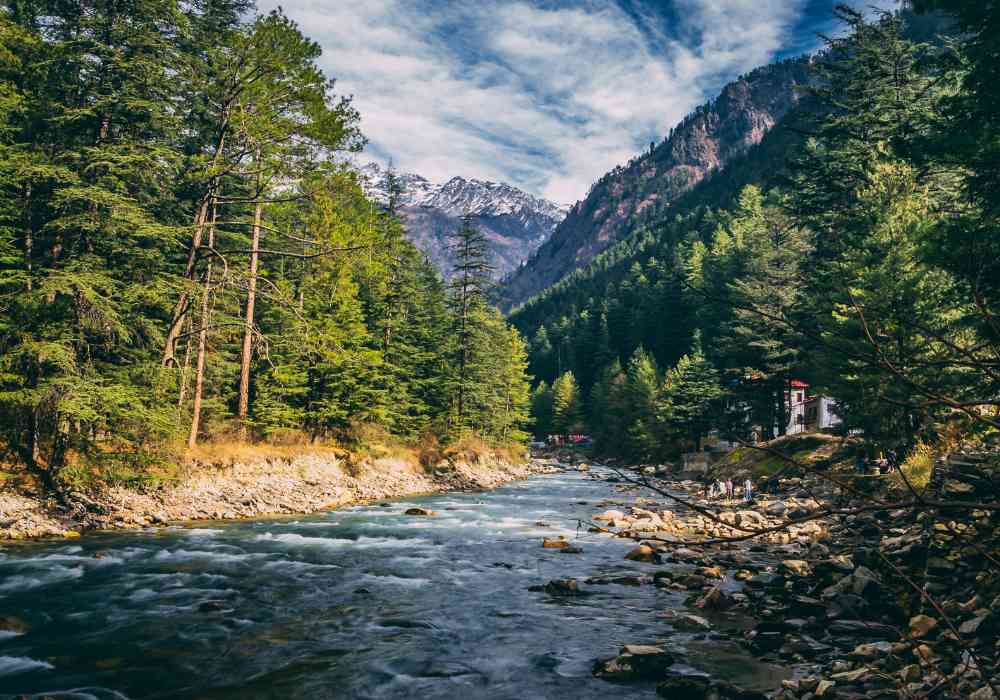
Trekking is the primary activity during the journey to Sar Pass. Additionally, one can engage in exploring nature, bird watching, and photography. The numerous remote villages that you will encounter along the way offer a delightful camping experience.
Moreover, you will be able to witness breathtaking views of the universe, leaving you with a sense of fulfillment throughout the trek. Capture every moment and magnificent viewpoint through photographs to create lasting memories. As you trek at higher altitudes, you will encounter a variety of fascinating Himalayan bird species, adding to the allure of the journey.
Highlights of Sar Pass Trek
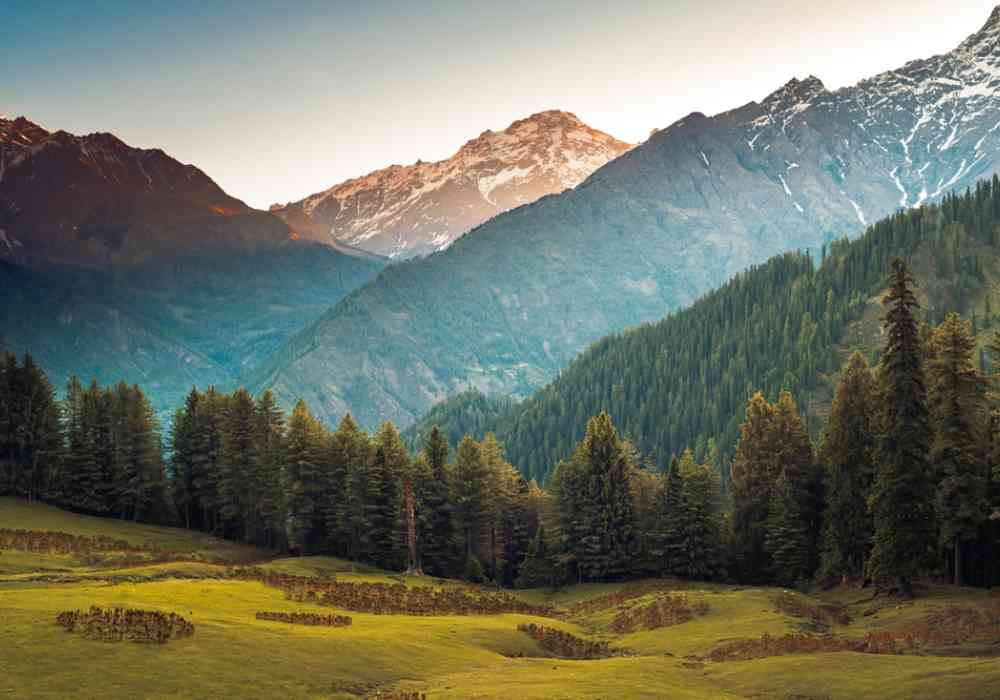
Undertaking the Sar Pass trek is a choice that captivates trekkers seeking adventure and exploration in the Indian Himalayas for numerous compelling reasons. Here, we present some captivating highlights to consider when embarking on the Sar Pass trek:
- Captivating Scenery: Prepare to be mesmerized by the awe-inspiring beauty of the Sar Pass trek, where snow-capped peaks, lush valleys, alpine meadows, and dense forests create a picturesque landscape. Each twist and turn on this journey offers trekkers unforgettable and unparalleled vistas.
- Demanding Terrain: Brace yourself for a trek that will push your limits. The Sar Pass trek challenges you with a variety of terrains, including steep ascents, rocky trails, and snow-covered slopes. The ultimate test of your physical and mental endurance awaits as you conquer the iconic Sar Pass at a breathtaking elevation of 13,780 feet.
- Thrills and Adventure: For those who seek an adrenaline rush, the Sar Pass trek promises an exhilarating adventure through rugged terrain, river crossings, and high mountain passes. The sheer thrill of conquering Sar Pass and exploring the remote Himalayan landscapes adds an extra layer of excitement to this remarkable journey.
- Immersion in Culture: Immerse yourself in the vibrant tapestry of local communities along the trek route. Engage in meaningful interactions, witness their unique culture, traditions, and way of life. Visiting remote villages, indulging in local cuisine, and gaining insights into traditional practices will undoubtedly enrich your cultural experience during the trek.
- Wildlife Encounters: Prepare to be enchanted by the diverse range of flora and fauna that call the Sar Pass region home. From Himalayan birds to graceful deer, and if you’re truly fortunate, even the elusive Himalayan snow leopard, trekkers may have the rare chance to spot these magnificent creatures in their natural habitat.
Undoubtedly, the Sar Pass Trek offers an extraordinary opportunity for adventure, exploration, and cultural enrichment. It is a journey that promises to leave an indelible mark on the hearts and minds of all who venture into the majestic Indian Himalayas.
Difficulty Level of Sar Pass Trek
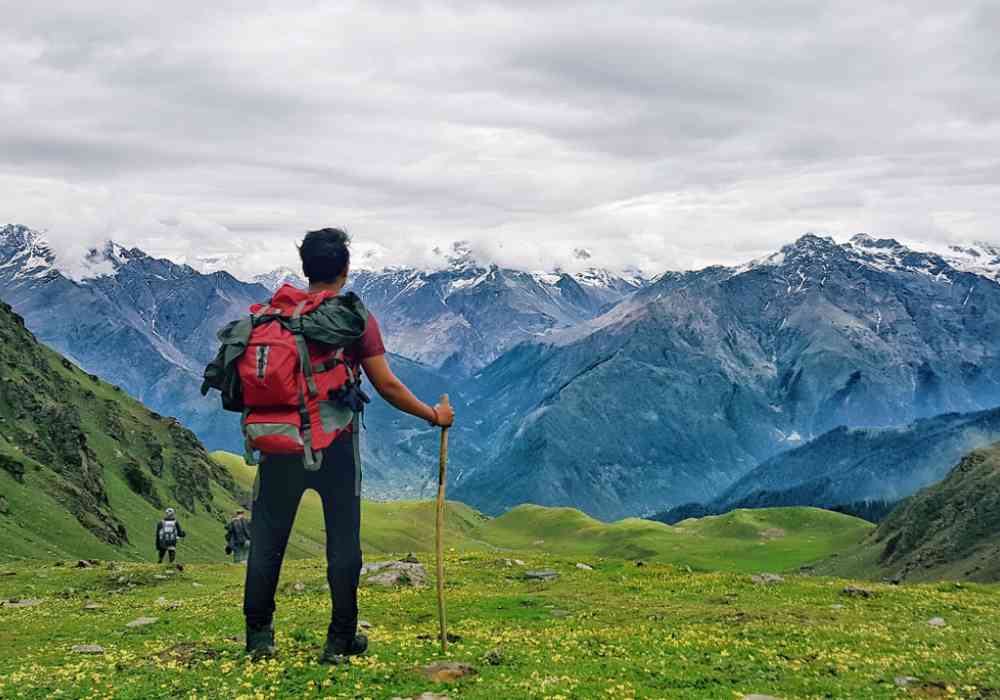
The Sar Pass trek is considered a moderate-level hike, suitable for both beginners and those with some prior trekking experience. While it does not require extensive mountaineering skills, the trek does involve some challenging sections, such as steep ascents and descents.
The highest altitude reached is around 13,850 feet, and the total distance is approximately 48 kilometers. Overall, the Sar Pass Trek is a great option for fit individuals looking to attempt a moderate Himalayan trek, and understanding the Difficulty Level of Sar Pass Trek in advance can help with better preparation.
What to Pack for Sar Pass Trek
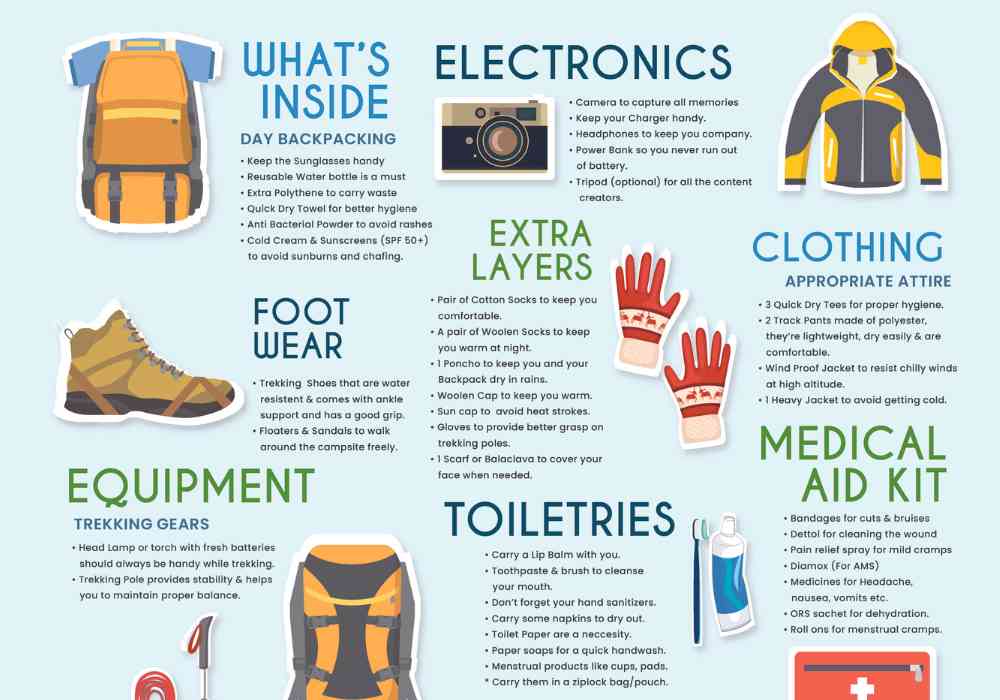
- Documents: Please make sure you are carrying all your necessary documents with you. First of all bring a government ID card, you can choose anyone from this like Aadhar Card, Driver’s License, Voters ID, and so on. If you are a foreigner please make sure to carry your passport and visa, this part is not applicable for Indian Trekkers. Make ready your medical certificates and certificate of declaration ready in hand.
- Trekking Necessaries: Bring a Backpack that is capable of carrying 50 – 60 liters with enough support. Also note here you need a rain cover for your backpack. The weather in mountains is always unpredictable and you should be prepared for any kind of changes.
- Trekking Shoes: Trekking shoes is an important part of the trek like Kedarkantha. It is crucial to have durable and supportive shoes for trekking. Although some may question the comfort of sports shoes, it is advisable to opt for the right trekking footwear.
- Trek Pants: Jeans are never suitable for a journey, so it’s essential to have 2-3 pairs of trekking trousers for shorter trips and even more for longer treks.
- Jacket: A must-have on any hike as it shields you from the elements. Therefore, if you’re embarking on a week-long hike, make sure to bring along two coats.
- Layers of Warm Clothing: Don’t forget to pack warm woolen layers or cozy fleece. In winter, it’s advisable to carry at least two to three layers, while in summer, you can get away with fewer garments.
- Thermals: As temperatures tend to drop at night, it might be necessary to have thermals on hand.
- T-Shirts: Don’t leave behind your quick-drying t-shirts.
- Poncho: If you’re planning a hike on a rainy day, a poncho will keep you dry.
- Medical Kit: It is also Important for you to maintain a personal Medical Kit with all the medicines you need from time to time.
Other Necessary Items Include
| Water Bottles of 1 liter | Cap or Balaclava | Sunglasses |
| Slippers | Woolen and Waterproof Gloves | Socks (Woolen and Regular) |
| Sunscreen | Torch headlight | Personal Toiletry Items – (toothpaste, toothbrush, toilet paper, sanitizer, etc.) |
| Gaiters | Micro spikes or mini ice crampons | Waterproof trek trousers |
| Waterproof Jackets | Down Jackets ( -10 to -15 ) | Trek Poles |
| Waterproof outer gloves | Fleece inner gloves | Headlamp |
| Neck warmer | Skull Cap | Sunglasses (Cat 3 or Cat 4 lens, anti UV, Polarized) |
| 2 pairs of thermals | 4 pairs of socks ( 2 cotton – 2 woolen ) | T-Shirts ( 2 – 3 ) |
| Lightweight Trek | Trousers or pants ( 2) | Inner wear |
How to Prepare for Sar Pass Trek

Preparing well for the Sar Pass Trek is essential to enjoy the journey and handle its moderate difficulty with confidence. A balanced approach covering physical fitness, mental readiness, and practical planning will help ensure a safe and rewarding experience.
Physical Fitness Preparation
- Cardiovascular Fitness: Trekking involves a lot of walking and endurance. To improve your cardiovascular fitness, try activities like jogging, cycling, swimming, or brisk walking. Start with shorter distances or durations and gradually increase the intensity and duration of your workouts over time.
- Leg Strength and Endurance: Trekking requires strong leg muscles to handle uphill and downhill sections. Include exercises like squats, lunges, step-ups, and calf raises in your fitness routine. Make sure to do both strength training and endurance-building exercises for your legs.
- Core Strength: A strong core is important for maintaining balance and stability during the trek. Strengthen your core muscles with exercises like planks, Russian twists, mountain climbers, and sit-ups.
- Stair Climbing: Find a nearby staircase or use a stair-climbing machine at the gym to simulate the uphill and downhill sections of the trek. Regular stair climbing workouts will help build strength and endurance in your legs.
- Backpack Training: Since you’ll be carrying a backpack during the trek, gradually increase the weight of your backpack during your training sessions. Start with a lighter load and gradually add weight to simulate the weight you’ll carry during the trek.
- Flexibility and Stretching: Regular stretching exercises can improve flexibility and prevent muscle stiffness. Focus on stretching your leg muscles, lower back, shoulders, and neck.
- Mental Preparation: Trekking requires mental resilience and determination. Prepare yourself mentally by setting realistic goals, visualizing the trek, and staying positive. Practice mindfulness and relaxation techniques to manage stress and keep a calm mindset during challenging moments.
- Hydration and Nutrition: Stay hydrated throughout your training period and during the trek. Maintain a balanced diet rich in carbohydrates, proteins, and essential nutrients to fuel your body and aid in recovery.
Mobile Connectivity and ATM Availability During Sar Pass Trek
Connectivity along the Sar Pass Trek route is limited and often unreliable. Trekkers are strongly advised to complete all important work and communications in advance. For safety and emergency coordination, walkie-talkies are typically provided to trekking groups.
ATM access is last reliably available in Kasol. However, it is recommended to withdraw sufficient cash beforehand, preferably from Manali, as ATMs in remote areas may not always have cash or be operational.
Sar Pass Trek Cost
The cost of the Sar Pass Trek is INR 8,500 per person, based on a triple-sharing arrangement. This generally covers essential trekking services, making it a cost-effective option for those looking to experience a classic Himalayan trek with proper support.
Nearby Places to Explore After Sar Pass Trek
After your adventure at Sar Pass, it’s important to take some time to rest and recharge your energy. This will allow you to fully appreciate the stunning beauty that surrounds Sar Pass.
- Manikaran: One of the highlights of this beautiful town is its natural hot spring. The temperature of the spring is extremely hot, even hotter than boiling water, and it is said that you can even cook rice in it! Manikaran is considered a sacred place for both Hindus and Sikhs.
- Kheerganga: Kheerganga is a popular destination for tourists, especially those who enjoy trekking. The breathtaking views of dense forests, stunning sunsets and sunrises, and majestic mountains are truly mesmerizing. Additionally, this place holds religious significance as it is associated with the son of Lord Shiva.
- Tosh: Tosh is a small village that is often overlooked by tourists, making it a perfect spot for a peaceful stay. Here, you can experience the serene atmosphere of Kasol while enjoying a picturesque view of the Parvati valleys and comfortable weather.
FAQs
The Sar Pass trek is considered a moderate-level trek, suitable for beginners and those with some prior trekking experience.
No prior trekking experience is required for the Sar Pass trek, as it is suitable for beginners. However, being physically and mentally fit is important.
The factors include steep inclines before the summit, high altitude (up to 13,800 ft), long walking distances, and the need to navigate snow-covered terrain.
Yes, the Sar Pass trek is considered a good option for families and school groups, as it is beginner-friendly.
The trek is easiest during the summer months (April-June) when the trails are clear of snow. It becomes more challenging during the monsoon (July-August) and post-monsoon (September-October) seasons.
It is advisable to be physically fit and follow a regular fitness regime for at least 4 weeks before the trek to adapt to the lower oxygen levels.
Yes, altitude sickness can be a concern as the trek reaches an altitude of 13,800 ft. Proper acclimatization and being physically fit are important to manage altitude-related issues.
Trekking poles can be helpful in maintaining balance and reducing strain on the knees, especially during the steep descents. However, their use is subjective.
While it is possible for solo trekkers to attempt the Sar Pass trek, it is generally recommended to go with a group or an experienced trekking organization for safety reasons.
Trekking organizations typically limit the group size to 15-18 people, as larger groups can be less coordinated and have less fun.
If Sar Pass Trek is on your bucket list, planning it with the right itinerary and support makes all the difference. Check out our Sar Pass Trek package for complete trek details and upcoming batches.


