

Dreaming of exploring the “Land of Smiles,” popularly known as Thailand? This magical corner of Southeast Asia is not just a destination — it’s a vibrant, pulse-racing experience, home to some of the world’s most stunning beaches, lively cities, rich culture, and unforgettable food.
A trip to Thailand promises incredible memories, but first-time travelers should know a few essential things before arriving. Understanding local customs, transportation, weather, and travel etiquette can make your journey smoother and far more enjoyable.
This Thailand travel guide for first-time visitors is your essential companion, packed with practical travel tips to help you navigate, explore, and truly embrace the magic of this remarkable country. From street food adventures and island hopping to cultural etiquette and travel planning, these tips will ensure you are fully prepared to make the most of your Thailand journey.
Essential Travel Tips for Thailand: Expert Advice for Visitors
Here is a list of important travel tips you should consider if you are planning a trip to Thailand. These tips will help you plan better and enjoy your journey without unnecessary hassles.
1. Visa Requirements for Thailand
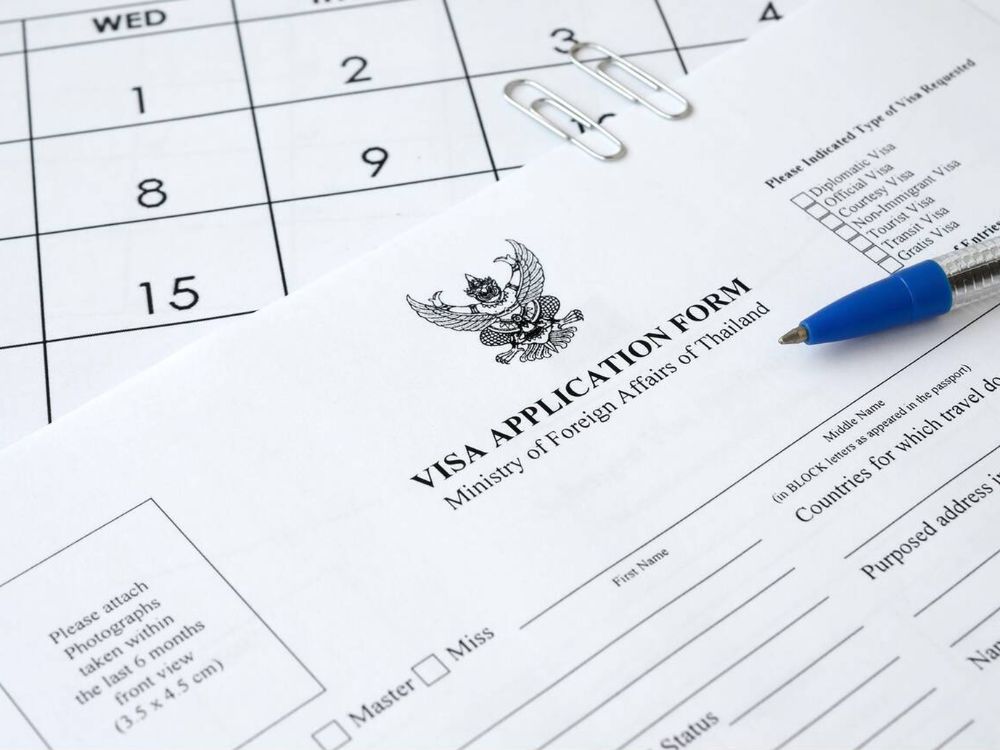
If you are planning a trip to Thailand, it is important to understand the visa rules and entry requirements for Indian passport holders before traveling.
Currently, Indian travelers can enter Thailand visa-free for up to 60 days for tourism purposes, making it one of the easiest international destinations to visit from India. However, travelers must still carry certain documents when entering the country, including a passport with at least 6 months validity, a confirmed return ticket, proof of accommodation, and sufficient funds for the duration of the stay.
Another option available for travelers is Visa on Arrival (VOA), which allows a stay of up to 15 days and can be obtained at major international airports in Thailand. This option may require travelers to show proof of funds (approximately 10,000 THB per person or 20,000 THB per family), a return ticket, and a valid passport.
If you are planning to stay in Thailand for a longer period, you can apply for a Tourist Visa through the Royal Thai Embassy or through the Thailand eVisa system. A standard tourist visa generally allows visitors to stay for up to 60 days, depending on the visa type and immigration approval.
Before traveling, you can also check this Thailand visa guide for Indians to understand the latest visa rules. Also it is always recommended to check the latest visa rules and entry requirements from official Thai immigration sources, as policies may change from time to time.
2. Currency Exchange & Payments
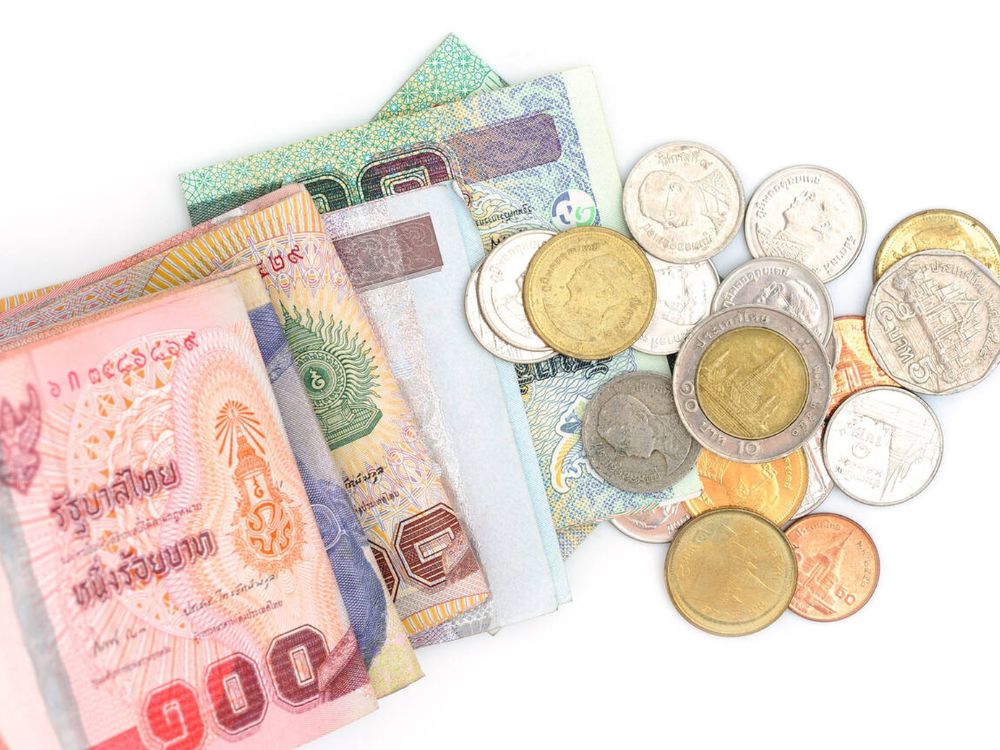
Managing currency exchange is an important part of planning your Thailand travel, as it can directly affect your overall trip budget.
The official currency used in Thailand is the Thai Baht (THB). Exchange rates fluctuate regularly, but generally 1 Indian Rupee converts to around 0.40–0.45 Thai Baht depending on market rates.
When exchanging money, it is usually best to avoid airport counters and hotel exchange desks, as they often charge higher fees and offer less favorable rates. Instead, consider exchanging money at authorized banks or reliable currency exchange centers, where you are more likely to get better rates.
You can also withdraw Thai Baht directly from ATMs across Thailand, which are widely available in cities and tourist areas.
Useful Currency Tips for Travelers
- Inform your bank before traveling to avoid your debit or credit card being blocked for international transactions.
- Carry cards from different banks as a backup in case one card doesn’t work.
- When withdrawing money from ATMs, try to withdraw larger amounts at once to reduce transaction fees.
- Although digital payments are growing in Thailand, cash is still widely used, especially in street markets, small shops, and local food stalls.
- Keep small denominations of Thai Baht handy for taxis, street food vendors, and local markets.
Planning your currency exchange wisely will help you avoid unnecessary fees and manage your travel budget more effectively while exploring Thailand.
3. Transportation in Thailand
Your Thailand travel guide would not be complete without understanding how local transportation works across the country. Thailand offers a wide variety of transport options that make getting around both convenient and affordable.
In the City: Bangkok’s Rail & Road
- The Rail Revolution: Bangkok’s transport network is now more connected than ever. Beyond the classic BTS Skytrain (Green) and MRT (Blue/Purple), you can now use the Pink and Yellow Monorail lines to reach suburban hidden gems.
- Ride-Hailing Apps (The Essentials): Forget the old “NaviGo” app; you only need two apps on your phone:
- Grab: The reliable “everything app” for taxis, private cars, and bikes.
- Bolt: Generally 15-30% cheaper than Grab and very popular in Bangkok, Phuket, and Chiang Mai.
- Tuk-Tuks & Taxis: If you take a tuk-tuk, always agree on the fare before starting your ride to avoid misunderstandings. For taxis, it is better to ask the driver to use the meter.
Island & Rural Travel
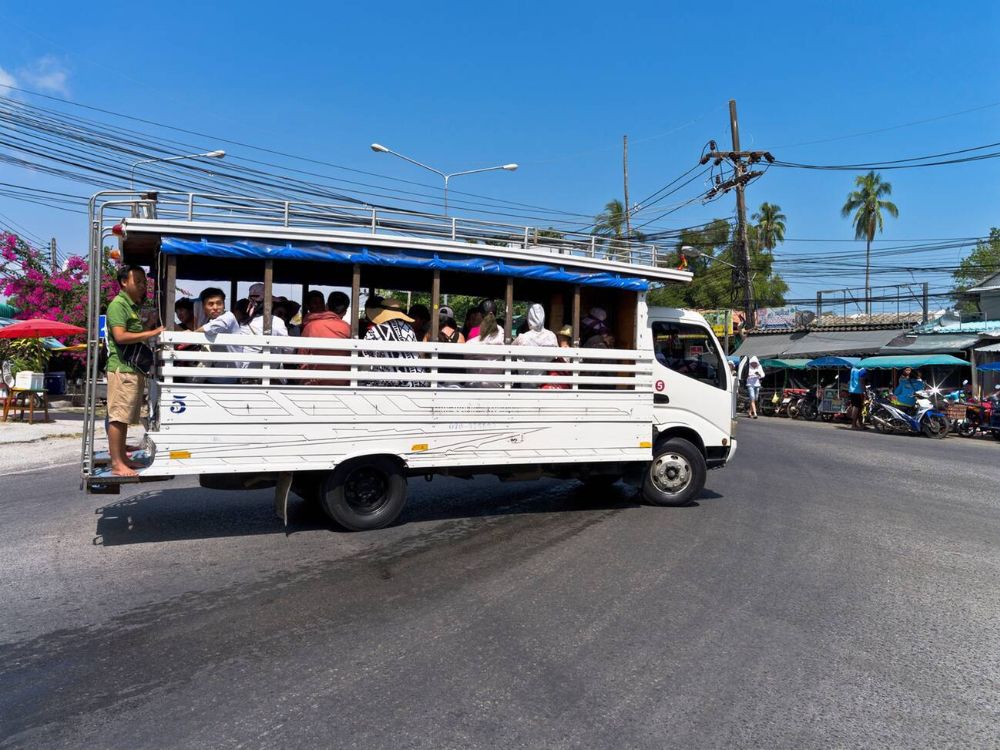
- Songthaews (The Budget King): These are pickup trucks converted into buses with two benches in the back. These are one of the most affordable and commonly used local transportation options in many Thai cities and islands.
- Renting Motorbikes: This is the popular option for travelers to see islands like Koh Samui or Phuket, but it comes with strict rules:
- Legal Requirement: You must have an International Driving Permit (IDP).
- Insurance Warning: If you have an accident without a valid license and helmet, your travel insurance will likely be rejected.
- Check the Bike: Always take a 360° walk-around video of the bike before renting to avoid being charged for pre-existing scratches.
4. Language & Communication
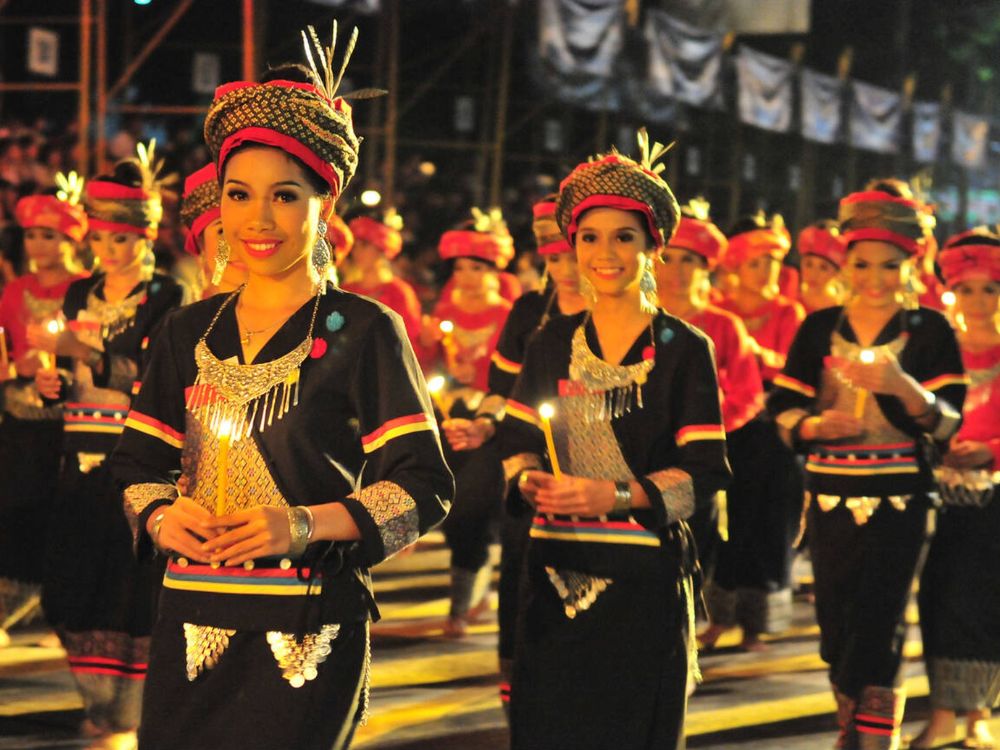
The most commonly spoken language in Thailand is Thai. However, in major tourist areas such as Bangkok, Phuket, Pattaya, and Chiang Mai, many people working in hotels, restaurants, and tourist attractions can communicate in basic English.
If you plan to explore local markets, street food stalls, or smaller towns, learning a few simple Thai words can make communication easier and more enjoyable. Locals often appreciate when visitors try to speak their language, even if it’s just a few basic phrases.
Here are some useful Thai words you can learn before your first trip to Thailand:
| English | Thai Phrase | When to Use |
| Hello / Goodbye | Sawa dee (ka/khrap) | General greetings. |
| Thank You | Khop kun (ka/khrap) | Showing gratitude. |
| How Much? | Tao rai? | Essential for street shopping. |
| Can you discount? | Lot dai mai? | For polite bargaining. |
| Vegetarian / Vegan | Kin Jay | To ensure no meat, eggs, or fish sauce. |
| Not Spicy | Mai phet | If you can’t handle the Thai heat! |
| Where is the toilet? | Hong nam yoo tee nai? | A lifesaver in public places. |
| Yes | Chai (ka/khrap) | Used for direct confirmation or agreement. |
| No | Mai chai (ka/khrap) | Used to disagree or say “it is not.” |
Pro-Tip:
• Thai is a polite language. Men should end every sentence with "Khrap" and women with "Ka". For example, instead of just saying "Sawa dee," say "Sawa dee khrap" (if you're male) or "Sawa dee ka" (if you're female).

• When greeting someone in Thailand, locals often perform a “wai” gesture, placing their palms together with a slight bow. It is a polite way to show respect.
Learning these simple phrases can help you interact more comfortably with locals, especially when shopping or ordering food.
It is also a good idea to keep Google Translate or similar translation apps on your phone. These apps can help you translate menus, read local signs, and communicate with vendors in street markets.
5. Must-Try Thai Food for Indian Travelers
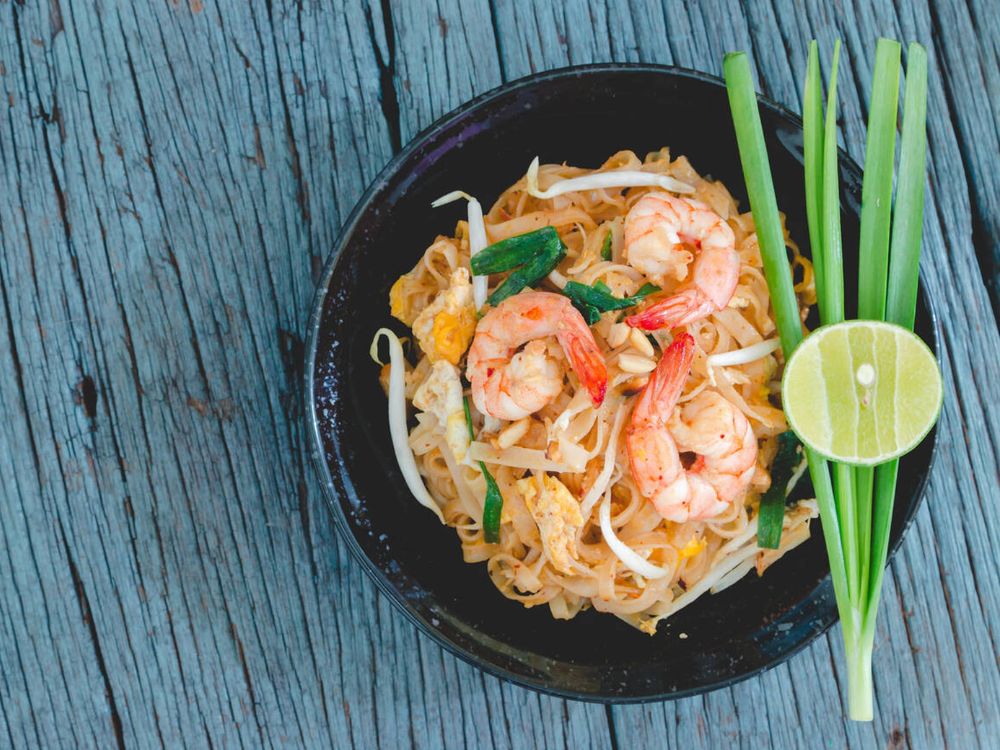
Traveling in Thailand is like opening a treasure box of incredible flavors. For Indian travelers, Thai cuisine often feels familiar because it shares bold spices, aromatic herbs, and rich flavors, but with a unique twist that makes it completely different and exciting.
If you enjoy Indian food, you will likely enjoy Thai dishes as well. However, Thai cuisine uses ingredients such as lemongrass, kaffir lime leaves, coconut milk, and fish sauce, which create a distinctive balance of sweet, spicy, sour, and salty flavors.
For vegetarians, Thailand can still be a great destination, but it is important to specify “vegetarian” or “no fish sauce” when ordering food. Many restaurants are happy to customize dishes.
Popular Thai Dishes to Try
- Pad Thai (Vegetarian Style): One of Thailand’s most famous noodle dishes. Vegetarian versions are widely available with tofu, vegetables, and rice noodles.
- Som Tam (Green Papaya Salad) – A refreshing salad with papaya, lime, peanuts, and chilies. Ask for a vegetarian version without fish sauce if needed.
- Thai Green Curry – A flavorful curry made with coconut milk, herbs, and vegetables.
- Thai Red Curry – Slightly richer and spicier than green curry, usually served with jasmine rice.
- Mango Sticky Rice – A famous Thai dessert made with sweet mango, sticky rice, and coconut milk.
These authentic foods of Thailand showcase the balance of flavors that Thai cuisine is known for.
Best Street Food Markets to Explore
Thailand is famous for its street food culture, and visiting local food markets is one of the best ways to experience authentic Thai flavors. Some popular food markets include:
- Chatuchak Weekend Market (Bangkok) – One of the largest markets in Thailand with countless food stalls.
- Khao San Road (Bangkok) – Famous for street food, nightlife, and backpacker culture.
- Chiang Mai Walking Street Market – Known for delicious northern Thai dishes and snacks.
- Phuket Weekend Night Market – A vibrant market offering seafood, desserts, and local delicacies.
Exploring these markets is one of the best ways to experience Thailand’s food culture and street food scene.
If you want to explore Thailand’s food culture in a convenient way, you can also check out our Thailand tour packages, which often include visits to local food markets and culinary experiences.
6. Respect Thai Culture and Temple Etiquette

Thailand is a country with deep cultural traditions and strong religious values. Buddhism plays a central role in Thai society, and temples (known as “Wats”) are among the most important cultural and spiritual sites in the country. When visiting temples or interacting with locals, it is important to show respect for Thai customs and traditions.
One of the most important things to remember is appropriate dress when visiting temples. Visitors should wear clothing that covers their shoulders and knees. Sleeveless tops, short skirts, and shorts are generally not allowed inside temple grounds. Many temples provide shawls or wraps at the entrance if your clothing does not meet the dress requirements.
Before entering a temple building, visitors must remove their shoes as a sign of respect. It is also important to behave quietly and respectfully inside the temple, as these places are considered sacred.
Another cultural rule to keep in mind is the respect shown toward Buddha images and statues. Climbing on Buddha statues, pointing feet toward them, or posing in disrespectful ways for photographs is considered inappropriate. When taking photos, always maintain respectful behavior.
When greeting locals, you may notice the traditional Thai gesture known as the “wai”, where people press their palms together and slightly bow their head. While tourists are not expected to perform the wai perfectly, returning the gesture politely is often appreciated.
Understanding and respecting these cultural practices will not only help you avoid misunderstandings but will also allow you to experience Thailand in a more meaningful and respectful way.
Popular Temples You Can Visit in Thailand Include:
- Wat Phra Kaew (Bangkok) – Home of the famous Emerald Buddha.
- Wat Pho (Bangkok) – Known for the giant reclining Buddha.
- Wat Arun (Bangkok) – One of Thailand’s most iconic riverside temples.
- Wat Phra That Doi Suthep (Chiang Mai) – A beautiful mountain temple with panoramic views.
By following these simple etiquette guidelines, travelers can enjoy Thailand’s temples while showing proper respect for the country’s culture and traditions.
7. Stay Connected with a Local SIM Card

Staying connected to the internet is extremely helpful when traveling in Thailand, especially for first-time visitors. A local SIM card allows you to easily access maps, book rides, translate menus, and stay in touch with family or friends while exploring the country.
Thailand has several reliable mobile network providers that offer affordable tourist SIM cards with high-speed data. Some of the most popular options include AIS, DTAC, and TrueMove H. These providers offer prepaid tourist SIM packages that typically include unlimited or high-data plans for a fixed number of days.
Travelers can conveniently purchase a SIM card at international airports such as Bangkok’s Suvarnabhumi Airport, Don Mueang Airport, Phuket International Airport, and Chiang Mai International Airport. SIM cards are also available at convenience stores like 7-Eleven and FamilyMart, as well as official mobile service shops located in shopping malls.
Most tourist SIM cards come with 4G or 5G data coverage, allowing you to use navigation apps like Google Maps, ride-hailing apps such as Grab, and translation tools during your trip.
Tips for Buying a SIM Card in Thailand
- Carry your passport, as it is required for SIM card registration.
- Compare data packages and validity periods before purchasing.
- Activate the SIM card at the store to ensure it is working properly.
- Consider choosing a tourist data plan that matches the length of your stay.
Having a local SIM card ensures you remain connected throughout your trip and makes navigating Thailand’s cities, islands, and attractions much easier.
8. Safety Tips for Travelers

Thailand is generally considered a safe destination for tourists, welcoming millions of travelers every year. However, like any international destination, it is important to follow basic safety precautions to ensure a smooth and enjoyable travel experience.
Avoiding Common “Tourist Traps”
- The “Closed Attraction” Scam: If a friendly stranger or driver tells you the Grand Palace or a specific temple is “closed for a holiday,” politely double-check the entrance yourself. Often, they are trying to redirect you to a specific shop or tailor where they earn a commission.
- Insist on the Meter: In Bangkok, always ask your taxi driver to use the meter. If they refuse and suggest a “flat price,” it will almost certainly be double the actual fare. In such cases, simply use the Grab or Bolt app for transparent, fixed pricing.
- Rental Protection: Whether you are renting a scooter in Phuket or a Jet Ski in Pattaya, take a 360° video of the vehicle before you leave. This prevents owners from charging you for “pre-existing” scratches when you return it.
Health & Personal Well-being
- Hydration is Key: The Thai heat remains intense. Always carry a reusable water bottle, but never drink tap water. Stick to sealed bottled water or filtered water stations found in most hotels.
- Travel Insurance: This is no longer “optional” for a smart traveler. Ensure your insurance specifically covers scooter accidents, as many standard policies exclude them if you don’t have a valid International Driving Permit (IDP).
- Street Food Hygiene: Look for stalls with a high turnover of locals. If the food is being cooked fresh in front of you at high heat, it’s generally safe and delicious!
Emergency Numbers to Save:
Keep these numbers handy in your phone just in case:
- Tourist Police: 1155 (They speak English and are specifically there to help travelers).
- General Emergency: 191.
- Ambulance: 1669
By following these simple precautions, travelers can enjoy Thailand’s vibrant culture, beautiful landscapes, and exciting attractions while staying safe throughout their trip.
9. Plan Your Thailand Itinerary Wisely

The biggest mistake first-timers make is trying to see everything in one go. Thailand is larger than it looks, and travel time between the North (Chiang Mai), Central (Bangkok), and South (Phuket/Krabi) can eat up your holiday. To make the most of your Thailand trip, choose an itinerary that matches your pace.
Here are some popular itinerary options depending on the length and style of your trip.
Short Island Getaway (4–5 Days)
If you are planning a short vacation focused on beaches and island hopping, destinations like Phuket, Krabi, and nearby islands are ideal.
You can explore stunning locations such as Phi Phi Islands and Khai Island, enjoy boat tours, relax on white-sand beaches, and experience vibrant nightlife. A well-curated Phuket–Krabi island tour package allows travelers to experience these highlights in a short trip.
Multi-Destination Thailand Trip (8–9 Days)
For travelers who want a more complete Thailand experience, combining beach destinations with city attractions is a great option.
An itinerary covering Phuket, Krabi, Pattaya, and Bangkok offers a mix of island adventures, cultural temples, nightlife, and shopping. A popular choice for such trips is the Complete Thailand exploration package which allows travelers to explore multiple destinations in one journey.
Classic Thailand Highlights (6–7 Days)
If you have around a week to explore Thailand, a balanced itinerary covering Pattaya, Bangkok, and Phuket works well. This type of trip allows you to enjoy Thailand’s beaches, cultural attractions, shopping markets, and vibrant nightlife.
A well-planned 7 Day Pattaya-Bangkok-Phuket tour package can help you experience these destinations comfortably.
Quick City Escape (5–6 Days)
For a shorter international getaway, focusing on Bangkok and Pattaya can be a great option. These cities offer a combination of temples, nightlife, street markets, beach activities, and entertainment experiences.
A Pattaya and Bangkok travel package is perfect for travelers who want to enjoy Thailand’s vibrant urban culture in a short time.
Explore More Thailand Travel Options
If you want to explore additional destinations or customize your trip duration, you can browse different Thailand travel packages to find an itinerary that matches your travel style.
Travel Planning Tips:
- Fly Locally: Don’t waste 12 hours on a bus or train if you can help it. Low-cost carriers like AirAsia and Thai Lion Air offer very affordable domestic flights between Bangkok and the islands.
- Buffer Days: Always leave your last day for Bangkok. Between the unpredictable island weather and ferry timings, being close to the international airport for your flight back to India will save you a lot of stress.
- Mix Activities: Try to balance “active” days (like snorkeling or hiking) with “chill” days (like a spa day or cafe hopping) to avoid travel burnout.
A well-planned itinerary ensures you can explore Thailand comfortably without rushing between destinations, making your trip more enjoyable and memorable.
FAQs: Traveling to Thailand for the First Time
Indian passport holders can currently travel to Thailand visa-free for up to 60 days for tourism purposes. However, travelers must carry a valid passport, return ticket, proof of accommodation, and sufficient funds when entering the country.
The best time to visit Thailand is generally from November to February, when the weather is cool, dry, and comfortable for sightseeing, island hopping, and beach activities.
Yes, Thailand is considered one of the safest travel destinations in Southeast Asia. However, travelers should follow basic precautions such as keeping valuables secure, using reliable transportation, and booking tours through trusted providers.
For most travelers, 7 to 10 days is enough to explore major destinations like Bangkok, Phuket, Krabi, Pattaya, or Chiang Mai. This allows time for sightseeing, beach activities, and cultural experiences.
The official currency used in Thailand is the Thai Baht (THB). While credit cards are accepted in many hotels and restaurants, it is recommended to carry cash for street markets, small shops, and local food stalls.
Travelers visiting Thailand should pack light clothing, sunscreen, comfortable footwear, and swimwear. It is also advisable to carry a light rain jacket if traveling during the monsoon season.


Nice blog author. Thank you. Keep it up.
Really enjoyed your “9 Travel Tips” post, concise, practical, and packed with useful insights for first-timers in Thailand. Thanks for making planning seem so much easier!