

Bali, the famous island nation of Indonesia boasts rich cultural heritage and deep-rooted beliefs. Housing several ancient temples, this iconic destination holds a profound spiritual significance, wonderfully blending Hindu traditions with ethereal natural settings. Out of all the revered temples, this blog will talk about the Tanah Lot Temple- a historically significant and popular sea temple in Beraban, Bali, Indonesia.
This ancient iconic Hindu temple was built in the fifteenth and sixteenth centuries and is dedicated to the sea god, Dewa Baruna. The dramatic silhouette etched on a giant coral rock that is separated from the nearby island of Bali makes this place even more interesting! For those who don’t know, visiting Tanah Lot Temple is all about stepping into an utterly sacred space that boasts mesmerizing sunsets, spectacular architectural beauty, and a powerful spiritual aura making it one of Bali’s most time-honored and visited landmarks, captivating travelers from around the world.
In this comprehensive guide, we will gain more insights into the temple’s history, the best time to visit it, dress codes & etiquette, and more, promising a seamless and enriching experience to travelers. Let’s get started!
Tanah Lot Temple: Overview, History, Best Time to Visit & More
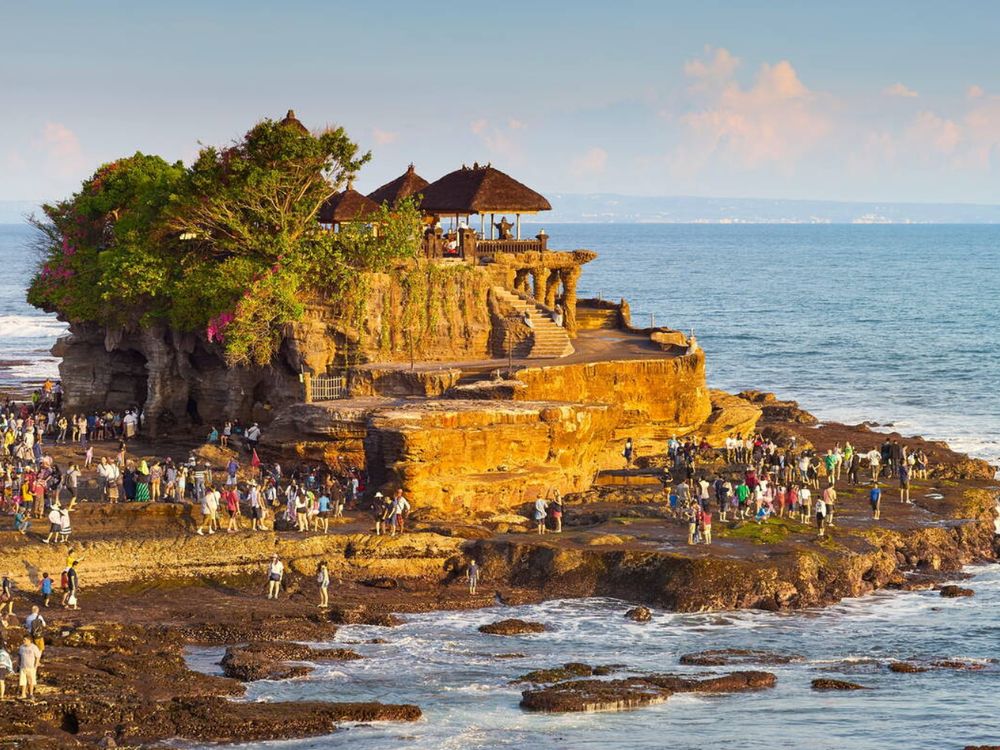
Tanah Lot Temple in Bali is a not-to-be-missed attraction, allowing tourists to peep into the nation’s rich culture and spiritual heritage. Steeped in history and great mythology, Tanah Lot is not merely a place of worship but a symbol of Bali’s deep-rooted traditions, captivating travelers seeking both cultural experience and impeccable natural beauty.
Below are the important details:
About Tanah Lot Temple in Bali

Tanah Lot Bali is a fascinating giant complex of wooden structures, perched atop a coral rock, encircled by the Indian Ocean. Exhibiting ruins from the fifteenth and sixteenth centuries, this revered temple worships the divine presence of the Hindu priest Dang Hyang Nirartha, following the sacred journey (tirtha yatra). Showcasing notable Balinese Hindu temple architecture, the temple is believed to have been shaped by years of crashing ocean waves, where continuous erosion has separated the rock from the main island. Despite the raging trials of nature, the temple still showcases well-maintenance, making it ideal for visiting and worshipping purposes.
The architectural highlights of the temple are:
- Meru Roofs: These dark-colored roofs signify the giant Mount Meru– a cosmic mountain said to hold strong universe vibrations (the center) in Hindu mythology. These Meru roofs are among the temple’s distinctive features, beautifully defining the notable architectural aspect of the Balinese Hindu temples. Each Meru roof boasts a different number of tiers, ranging between three to eleven entirely depending on the deity it honors. These thatched Meru roofs are built from black palm fiber (ijuk) which is extremely lightweight yet durable, and easily withstand Bali’s dramatic tropical climate.
- Stone Carvings: The temple is strikingly adorned with several intricately carved stone reliefs, speaking volumes of Bali’s profound artistic heritage. Showcasing mythological depictions, artistic floral patterns, and revered guardian figures by talented Balinese stonemasons, each stone carving in this temple carries spiritual significance. And what’s worth noting? The carved statues of deities, various sea creatures, and protective spirits stand as sentinels at several points- believed to wave off unwanted and negative energies from entering the temple. Also, the repeated crashing of the ocean waves has blended these carvings with the rock face, adding a significant mythical aura to the place.
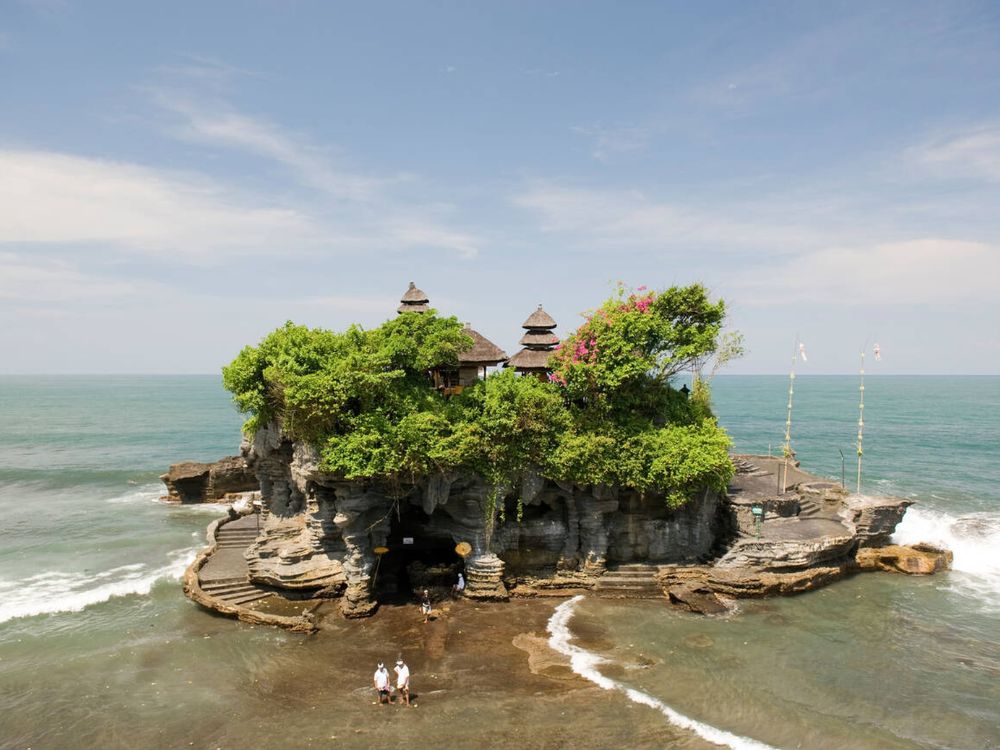
- Natural Bridge & Caves: The iconic coastal location of the temple is further enhanced with the natural bridge and surrounding caves. Tourists will also get to spot a rock archway, a sacred pathway that is formed by years of wave erosion, seamlessly connecting the temple to the mainland.
Another notable aspect of the temple is that underneath lies mystical sea caves housing sacred sea snakes— believed to be the temple’s spiritual guardians. According to legend, these snakes, with their black-and-yellow markings, protect the sacred site from evil spirits and intruders. Visitors can sometimes glimpse these serpents in the rocky crevices, reinforcing the temple’s legendary and sacred aura.
A Perfectly Personalized Bali Tour Package Awaits– Ensuring Unforgettable Adventures!
Historical Significance of Tanah Lot Temple in Balinese Culture and Hinduism

Tanah Lot Temple history dates back to the 16th century when the Javanese Hindu priest Dang Hyang Nirartha began his spiritual journey across Bali. He began this endeavor with a strong divine vision to spread Hinduism and its profound teachings. During his journey, he reached the coast where the temple now stands. It is said that the site’s spiritual magnetism and nature’s backdrop drew the priest and it was then decided to lay the foundation of the temple. The local fishermen were instructed to build a holy shrine at the site to honor Dewa Baruna, the sea god.
For centuries, the temple has been a significant place of worship for Balinese Hindus where they come and honor the deities of the ocean to seek peace and protection. The name “Tanah Lot” translates to “Land in the Sea” which perfectly describes the iconic positon of the temple!
No matter how much the ferocious waves have hit the temple over time, it still withholds its amazing grace and power, showcasing infinite resilience and spiritual grandeur against the test of nature. Tanah Lot Temple, aka Pura Tanah Lot Temple, has remained a significant spiritual site, giving rise to the spread of Hinduism all over Bali- where beautiful ceremonies and rituals take place to deepen the spiritual bond between the deities and the worshippers.
The temple’s iconic location strongly showcases the Balinese intense belief in the unity of nature, human souls, and the spiritual world. Talking about the cultural significance of Tanah Lot Temple, it is among the seven temples that form a chain along Bali’s coast – known to spiritually safeguard the nation from the fierce power of the ocean. With several majestic rituals and ceremonies taking place at the temple, one such is during the Melasti where devotees carry sacred objects from their village temples to the Pura Tanah Lot to purify them by the spiritual water of the sea. This ritual runs deeper where cleansing is also associated with the intense purification of the mind and the soul – renewing the spiritual energy.
Best Time to Visit Tanah Lot Temple

Tanah Lot Temple’s best time to visit is during the dry season which is from April to October. The weather is ideal for outdoor activities, with clear skies and pleasant temperatures.
The perfect time to visit this temple is during the late afternoon, between 4:00 PM and 6:30 PM. During this time you can fully explore the temple, capture amazing nature views a purely magnetic sunset- for which the temple is extremely famous! But, be ready for the crowds since every visitor comes with the intention of witnessing the fascinating sunset. Those who prefer peace and lesser-crowds can plan their visit early morning, before 9:00 AM – allowing a peaceful experience for the visitors.
Things to Do at Tanah Lot Temple
Tanah Lot Bali offers a range of experiences to tourists— from learning the historical aspects to engaging in a dearth of activities. Those who wish to enhance their visit to this temple can engage in the following activities:
- Witnessing the sunset– the sole reason that makes this temple a truly magical one!
- Watch and enjoy traditional Kecak Dance performances during the evenings.
- Receive blessings at the Holy Spring, located at the base of the temple.
- Shop for unique souvenirs, available at the shops near the temple.
- Explore the temple’s surroundings and dramatic rock formations.
- Visit the nearby Alas Kedaton Monkey Forest, which is home to several sacred temples and friendly monkeys.
- Get on a trek to Jatiluwih Rice Terraces, which is a UNESCO-listed site renowned for its surreal views of terraced rice fields.
Get your customized Bali Tour Package here!
Dress Code and Etiquette for Visiting Tanah Lot Temple
Below are the Tanah Lot Temple dress code and basic etiquettes that must be followed to ensure a seamless and hassle-free visit:
- Wear proper clothing that covers your shoulders and knees as it is a sacred site. Also, sarongs and sashes are available for rent at the entrance area (if needed).
- Avoid inappropriate public activities like PDA (Public Display of Affection).
- Respect local customs and beliefs.
- Be mindful of your steps and avoid any kind of touching or stepping on the offerings.
Other tips for visiting the temple:
- Carry small denominations of cash for entrance fees, sarong rentals, and small purchases at the shops nearby.
- Visit during the sunset. Though you may encounter extreme crowds, visiting during this time is a big win as you get to witness the most surreal sunsets of all!
- Wear comfortable footwear as you may need to traverse across rocky paths and uneven surfaces while visiting the temple.
- Visitors are advised to stay aware of the monkeys as they can snatch your belongings such as sunglasses, mobile phones, and more.
JustWravel’s Pro Tip: Always check for the tides as visiting during the high tides makes it difficult to get close to the shore and the temple may appear as floating. Visiting during the low tides makes it much easier to explore!
Frequently Asked Questions
What is the Tanah Lot Temple entrance fee?
The entrance fee for Tanah Lot Temple is:
- Adults: IDR 60,000 (₹310)
- Children: IDR 30,000 (₹155)
- Parking Fee:
- IDR 5,000 (₹26) for motorbikes
- IDR 10,000 (₹52) for cars
What are Tanah Lot Temple Opening hours?
The Tanah Lot Temple opens daily from 7:00 AM to 7:00 PM for visitors. The best time to visit is during the late afternoon; 4:00 PM to 6:00 PM.
What is the Tanah Lot temple location?
The Tanah Lot Temple is located in Beraban Village, Kediri District, Tabanan Regency, Bali, Indonesia.
What is the distance from Tanah Lot Temple to Ubud?
The distance from Tanah Lot Temple to Ubud is approximately 34 kms which will take upto 1 to 1.5 hours max.
What is the distance from Tanah Lot Temple to Seminyak?
The distance from Tanah Lot Temple to Seminyak is approximately 16 km which will take up to 40-50 minutes.
Tanah Lot Temple is a not-to-be-missed destination that allows you to experience Balinese’s culture and religious beliefs up close. If you wish to be a part of this rich experience, then hurry and book your Dream Bali Vacation with JustWravel— Get ready for an enriching journey, allowing you to experience and enjoy the best of Bali.


