

Remember the iconic song ‘Subhanallah’ from YJHD? Did you recall that backdrop of sparkling, snow-covered mountains. Now, it’s your turn to step into that scene by trekking Kedarkantha in February!
Kedarkantha in February serves up jaw-dropping, breathtaking views that seem almost unreal. When you mix the thrill and zest of conquering the summit in this enchanted winterland, it creates a surreal feeling that touches your soul and leaves an unforgettable mark on your heart forever. Every moment spent among those snow-kissed peaks becomes a memory carved in pure magic.
Disclaimer: Keep your bags ready, you might just get so enchanted reading this blog that you’ll want to book your Kedarkantha Trek with us right away!
Kedarkantha Trek Basics

Situated at 12,500 feet in Uttarakhand’s Govind Pashu Vihar National Park, Kedarkantha trek covers 20 kilometers over 4 days and 5 nights, starting from the Sankri village, which is the base camp of the trek. Along the trail, you’ll discover the enchanting Juda Ka Talab, a frozen alpine lake, and fest your eyes on iconic Himalayan giants like Swargarohini, Bandarpunch, and Kala Nag peaks. The trek also grants glimpses of the sacred Gangotri and Yamunotri ranges, blending natural beauty with spiritual richness.
Why is Kedarkantha Trek in February considered as The Best Winter Trek?
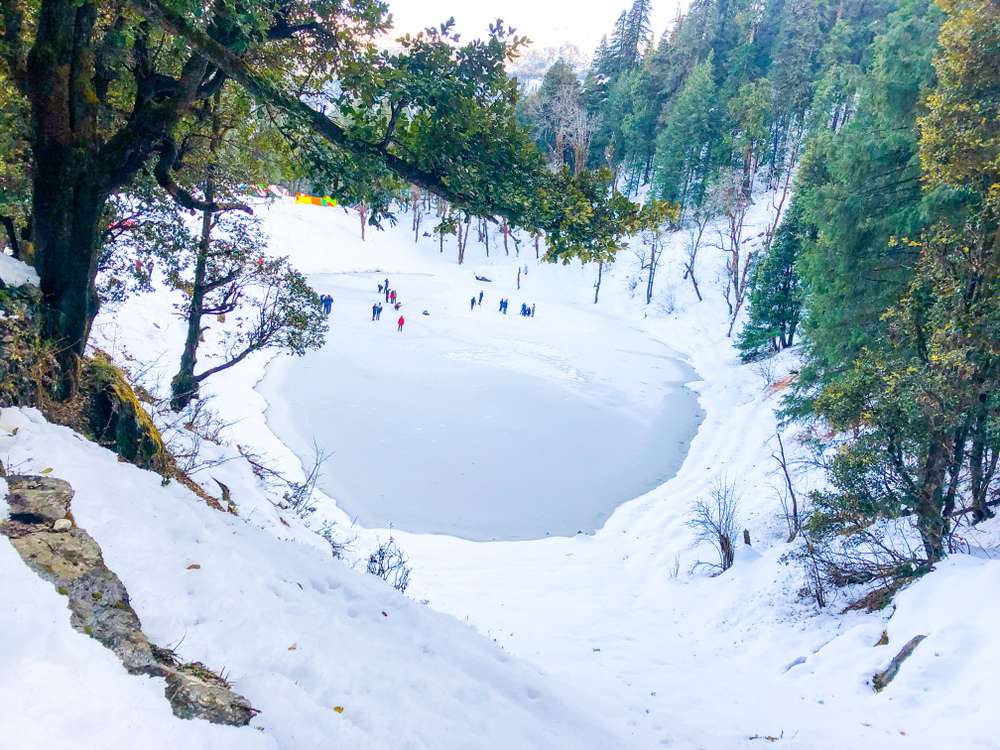
Kedarkantha takes it’s best form in the winter season. In February, Kedarkantha trek offers extensive snow-covered trails, but days become slightly warmer and longer compared to January. The snow remains thick but conditions can be a bit more manageable for trekking.
Imagine trekking through knee-deep snow, surrounded by majestic mountain ranges, with pristine, well-marked trails. Picture sharing this breathtaking journey with like-minded trekkers and witnessing the magical sunrise together. Doing all this in minus temperatures! Don’t you find it exciting?
That’s exactly why Kedarkantha reigns as the ‘Queen of Winter Treks’—offering a unique, heart-pounding experience for both first-timers and seasoned trekkers alike.
Why February is the Perfect Month for Trekking Kedarkantha?
February is the perfect month for trekking because-
- The mountains are covered in snow, ideal for those craving an authentic and rugged winter adventure.
- Juda Ka Talab is frozen solid, turning it into a mesmerizing spectacle you won’t forget.
- The temperature and weather are milder compared to January, with gentler chilly winds making travel much more comfortable.
- The trails are less crowded, allowing you to truly soak in the serene silence and peacefulness of the Himalayas.
- The views are absolutely breathtaking, and the surge of energy and accomplishment you feel after summiting is simply indescribable.
List of Peaks Visible During Kedarkantha Summit

- Kedarkantha Peak– While standing on this peak, trekkers gets a 360-degree view of majestic Himalayan mountains at an elevation of 12,500 ft.
- Swargarohini Peak– From kedarkantha , trekkers can witness these peaks. It is mythologically considered the path to heaven. These towering peaks holds spiritual importance.
- Bandarpunch– This peak is known for its striking ridge resembling a monkey’s face.
- Black Peak (Kala Nag)- It is the highest peak in the Bandarpunch massif, named for its dark rocky summit.
- Yamunotri Range– From the kedarkantha summit , trekkers can see the source of the Yamuna River, which is sacred in Hindu tradition.
- Gangotri Range– Trekkers can also view the source of the Ganges River, which is revered as a holy mountain range.
- Draupadi Ka Danda– This peak is a part of the Himalayan skyline visible from Kedarkantha summit.
Kedarkantha Trek Temperature and Weather in February
By February, temperatures start to rise slightly as the days grow longer, bringing comfortable daytime weather between 6ºC and 10ºC. However, nights remain cold and crisp, with temperatures dipping between 0ºC and -7ºC.
Winter in Kedarkantha is characterized by short days with limited sunlight and freezing nighttime chills, yet this season offers a truly surreal and magical trekking experience.
To make the most of this adventure, trekkers should come prepared with plenty of warm layers to stay cozy and comfortable against the biting cold.
Trail Conditions of Kedarkantha in February
In February, the trail conditions on the Kedarkantha trek are typically dominated by snow and ice due to the heavy winter season. The snow depth along the trail can vary from several inches to feet, particularly at higher elevations near the summit, where the depth often exceeds 1-2 feet.
The snow-packed trail creates a beautiful but slippery surface that demands careful trekking with appropriate equipment such as trekking poles, crampons, and sturdy boots with good grip.
The path may be soft and powdery on some days after fresh snowfall or hard and icy on colder days, so the conditions can shift quickly. Navigating through snowdrifts and frozen sections requires caution and experience, which makes trekking in February both challenging and rewarding.
Ideal Fitness Plan for Kedarkantha Trek in February

As trekkers climb higher during the trek, the air gets thinner and has less oxygen. To handle this, they need to build their aerobic fitness. Walking uphill for long hours carrying a backpack requires one to be moderately strong and have good endurance.
How to Prepare Physically for the Kedarkantha Trek?
Here is an ideal fitness plan to prepare for a Kedarkantha trek in February:
Cardiovascular Endurance
Start your cardio training 8-12 weeks before the trek. Engage in aerobic activities like running, cycling, brisk walking, or swimming to build stamina. Gradually increase your duration and intensity, aiming for sustained heart rate workouts. Adding interval training and uphill walking or stair climbing helps simulate trekking conditions.
Strength Training
Focus on strengthening your legs (quads, hamstrings, calves), core, and upper body. Exercises like squats, lunges, deadlifts, planks, and push-ups build muscle power and improve balance. Incorporate weights or resistance bands for progressive overload. A strong core is crucial for stability on snowy, uneven terrain.
Flexibility and Balance
Practice stretching and flexibility exercises 3-4 times a week to improve your mobility. Yoga or dynamic stretching enhances balance, reducing injury risks on slippery snow-covered paths. Balance drills like standing on one leg or using balance boards help prepare you for uneven trails.
Cold Weather Adaptation
Try to train outdoors in cooler weather to acclimate your body to cold conditions. This helps improve your body’s heat retention and circulation.
How To Prepare Mentally for the Kedarkantha Trek in February

Mental toughness is important while we are trekking in such cold and challenging temperature. Here’s a guide on how to prepare mentally for the Kedarkantha trek:
Set Realistic Expectations:
Research the trek thoroughly to understand the physical demands, weather conditions, and trail challenges. Knowing what to expect helps avoid surprises and keeps frustration at bay.
Build Mental Resilience:
Practice staying positive and calm when facing difficulties. Mindfulness, meditation, and breathing exercises can enhance focus and reduce stress during tough sections.
Visualize Success:
Spend time imagining yourself completing the trek, reaching the summit, and enjoying the views. Visualization boosts confidence and motivation, mentally preparing you for the journey.
Break the Trek into Manageable Sections:
Instead of focusing on the entire distance, set small daily goals. Concentrate on one step at a time to avoid feeling overwhelmed.
Prepare for Discomfort:
Accept that cold, fatigue, and altitude challenges are part of the experience. Mental readiness to tolerate discomfort helps you push through difficult moments.
Stay Connected:
Surround yourself with supportive fellow trekkers or guides. Sharing the journey provides emotional support and encouragement.
Focus on the Purpose:
Whether it’s adventure, spirituality, or personal growth, keep your “why” in mind as a source of motivation during tough moments.
Additional Tips
- Practice carrying a backpack with gradual weight increases to get used to the load.
- Walk on varied terrain to mimic trail conditions.
- Hydrate well and maintain a healthy diet to support your training.
Itinerary For Kedarkantha Trek in February
A good itinerary is important for a clear day-to-day plan to avoid uncertainty. It also ensures that trekkers don’t over exert themselves by pushing too hard. JustWravel has created this itinerary with careful consideration of safety, terrain, altitude, time and timely logistics so that not even an inch of experience is missed out.
Kedarkantha Trek Itinerary
Day 1- Drive From Dehradun to Sankri Village ( 198 kms, 8 hours drive)
The journey commences with the city of Dehradun and gradually leaves the city noise behind and transitions into the pine trees and valleys. Along the way, travelers pass villages like Purola and Mori, each offering a glimpse into traditional Himalayan life. The road often runs alongside energetic rivers like the Yamuna and Tons, whose gushing waters add a refreshing soundtrack to the journey. After reaching Sankri, the trekkers are at leisure.
Day 2- Trek from Sankri to Juda Ka Taal ( 4 kms, 4 hours trek)
On Day 2, the real trek begins with an exciting goal to cover 4 kilometers. Trekkers start their journey full of energy, trekking with the beautiful Swargarohini Peak as their backdrop. After around 4 hours of walking, they reach Juda Ka Talab, the first campsite. This serene high-altitude lake, sitting at about 9,100 feet, is frozen solid in winter, resembling a giant mirror that reflects the snow-covered trees and towering Himalayan peaks around it. At night, the sky above Juda Ka Talab becomes a celestial show, with countless stars and the Milky Way visible, offering a peaceful and awe-inspiring atmosphere.
Day 3- Juda ka Taal to Kedarkantha Base Camp ( 3 kms, 3 hours trek)
After a hearty breakfast, trekkers will begin a 3-hour trek covering 3 kilometers to reach Kedarkantha Base Camp. Once there, they can enjoy some lunch before unwinding with fun activities like snowball fights, followed by rest to recharge for the next day.
Day 4- Trek to Kedarkantha Peak | Back to Juda ka Taal ( 9 kms, 8 hours trek)
This is the toughest, most rewarding, and most exciting day of the trek. The climb to Kedarkantha Peak begins early at 2 AM, under a dark sky dotted with countless stars. Trekkers start their ascent in the quiet of night, aiming to reach the summit just in time for a breathtaking sunrise.
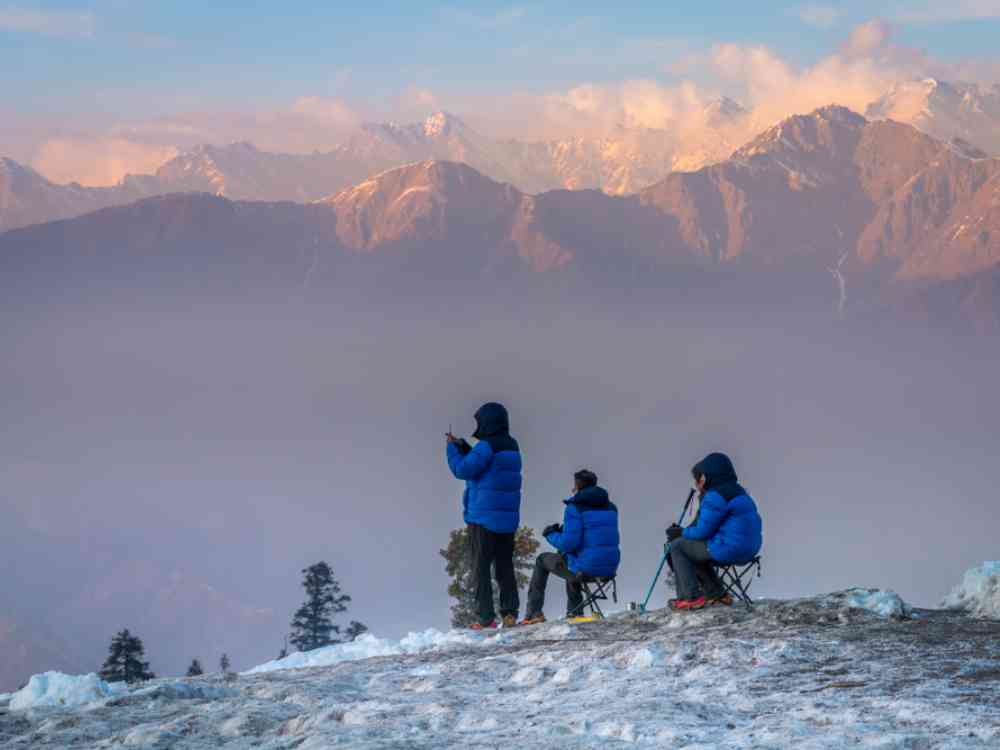
When the first golden rays of the sun peek over the horizon, the feeling is pure magic. The sky explodes in colors—pinks, oranges, and golds that set the surrounding snow-capped Himalayas ablaze in light. Peaks like Swargarohini, Bandarpunch, and Kalanag emerge from the shadows, spectacular and majestic.
Day 4 is an exhilarating blend of continuous effort, wonder, and pure joy and is a perfect reward for the nighttime climb, etched forever in the memory.
After spending some time at the summit and clicking pictures for the gram, trekkers will descend to Juda ka Taal and rest there for the night.
Day 5- Juda ka Taal to Sankri ( 4kms, 4 hours) | Back to Dehradun ( 8 hours drive)
After a healthy breakfast, trekkers will hike down to Sankri, which takes 4 hours. Upon reaching the village, they will have lunch and freshen up. Later, they will depart for Dehradun, arriving after an 8-hour drive, carrying with them many happy memories of their trek.
Mistakes to Avoid during Kedarkantha Trek in February
Here are key mistakes to avoid during the Kedarkantha trek in February:
Not Preparing for the Cold:
February nights can drop below -7ºC, so insufficient warm clothing and gear can lead to discomfort. Pack thermal layers, insulated jackets, gloves, and hats.
Ignoring Trail Conditions:
Trails can be slippery and covered with snow/ice. Trekking poles and suitable footwear with good grip or crampons are essential for safe navigation.
Underestimating Altitude:
The trek’s highest point is over 12,500 feet. Ignoring acclimatization can lead to altitude sickness. Ascend slowly and stay hydrated.
Overpacking or Underpacking:
Carry a balanced load; too heavy causes fatigue, too light risks missing essential gear for cold or emergencies.
Skipping Fitness Training:
Not preparing physically can cause exhaustion. Build cardio endurance and leg strength well before the trek.
Starting Late:
Days are short in February. Start early each day to complete hikes before dark and avoid trekking at night.
Ignoring Weather Forecasts:
Himalayan weather is unpredictable. Be ready to adjust plans.
Neglecting Hygiene and Waste:
Respect the fragile environment by using proper sanitation and carrying waste back.
FAQ’s
Is Kedarkantha trek safe in February?
Yes, the Kedarkantha trek in February is safe with proper preparation. It involves snow-covered trails and cold temperatures, so trekking with an experienced guide, carrying suitable winter gear, and being mindful of weather conditions are essential for safety.
Can a beginner do Kedarkantha Trek in February?
Yes, beginners can do the Kedarkantha trek in February as it is considered an easy to moderate trek. However, beginners are advised to familiarise themselves with the temperature, weather and the challenges that would face before planning their trek. They should prepare physically and mentally, carry proper winter gear, and ideally join guided groups for support and safety.
Kedarkantha Trek Best Time?
The best time for the Kedarkantha trek is during winter months from December to February when the trail is covered in snow, creating a magical winter wonderland. Spring (March-April) is also a great time to trek with fewer crowds and blooming rhododendrons.
What is ‘Keep The Trails Alive’’ initiative by JustWravel?
The Keep The Trails Alive campagin by JustWravel means we never leave any trash or waste behind the mountains. Justwravel is committed to preserving the natural beauty and sanctity of the mountains by carrying back everything we bring along, ensuring the environment stays pristine and untouched for future adventurers.
How to Organise Kedarkantha Trek for February?
Simply follow the essential tips and points mentioned above, or better yet, contact JustWravel! We handle all the planning details, ensuring your trek is safe, adventurous, and stress-free.
So, strap your rucksack on tight—the mountains are calling for Kedarkantha Trek


