

Imagine slicing through a mountain, not over it. Shortening a treacherous journey by hours. A marvel of engineering that connects you to a world of adventure. That’s the magic of the Atal Tunnel.
This isn’t just a tunnel; it’s a gateway. A gateway to breathtaking landscapes, thrilling experiences, and a smoother journey through the Himalayas. This Atal Tunnel guide is your complete resource to plan everything around Atal Tunnel Rohtang — from travel tips to nearby attractions.
Before the Atal Tunnel was built, the journey to Lahaul and Spiti was long and difficult, especially during winter. Rohtang Pass, the traditional gateway, would remain buried under heavy snow for months, cutting off the region from the rest of India.
This isolation impacted lives, tourism, businesses, and even access to essential services. The need for a permanent, all-weather route was clear.
And that’s when Atal Tunnel changed everything.
The vision behind this tunnel was not only about reducing travel time. It was about connecting communities, boosting tourism, and strengthening national security. The idea was conceived decades ago, but construction faced major challenges — harsh weather, unpredictable geology, and working at extreme altitude.
Finally, after years of dedicated effort, the tunnel was inaugurated on October 3, 2020, and named after Shri Atal Bihari Vajpayee, marking a historic moment for India and the Himalayas.
Today, Atal Tunnel is not only an engineering milestone but also a symbol of resilience and determination. It represents the bridging of gaps — both physical and cultural. For travelers, it offers the opportunity to explore the Himalayan landscape with greater comfort, safety, and ease.
And for adventure seekers, it opens up routes that lead deeper into Himachal and even toward Ladakh via the legendary Manali-Leh highway.
The Atal Tunnel Guide
This Atal Tunnel guide (Himachal Pradesh) is designed to be your one-stop resource for planning your trip. We’ll cover everything you need to know — from the Atal Tunnel length and location to the best time to visit, what to explore nearby, and how to reach.
We’ll also dive into the history of Rohtang Pass, the challenges faced during construction, and the overall impact of this tunnel on the region. Plus, you’ll find practical travel tips including where to stay, what to pack, and how to plan a safe itinerary.
So buckle up — because your journey through the heart of the Himalayas starts here.
Atal Tunnel: The Stats
Let’s start with the basics.
- Atal Tunnel length: 9.02 km
- Location: Himachal Pradesh
- Connects: Manali to Sissu (Lahaul Valley)
- Altitude: Around 3,000 meters (10,000 feet) above sea level

Atal Tunnel bypasses the treacherous Rohtang Pass and significantly reduces travel time between Manali and Lahaul. If you check Atal Tunnel map, you’ll understand why it is strategically important — both for tourism and for defense connectivity.
The North & South Portals
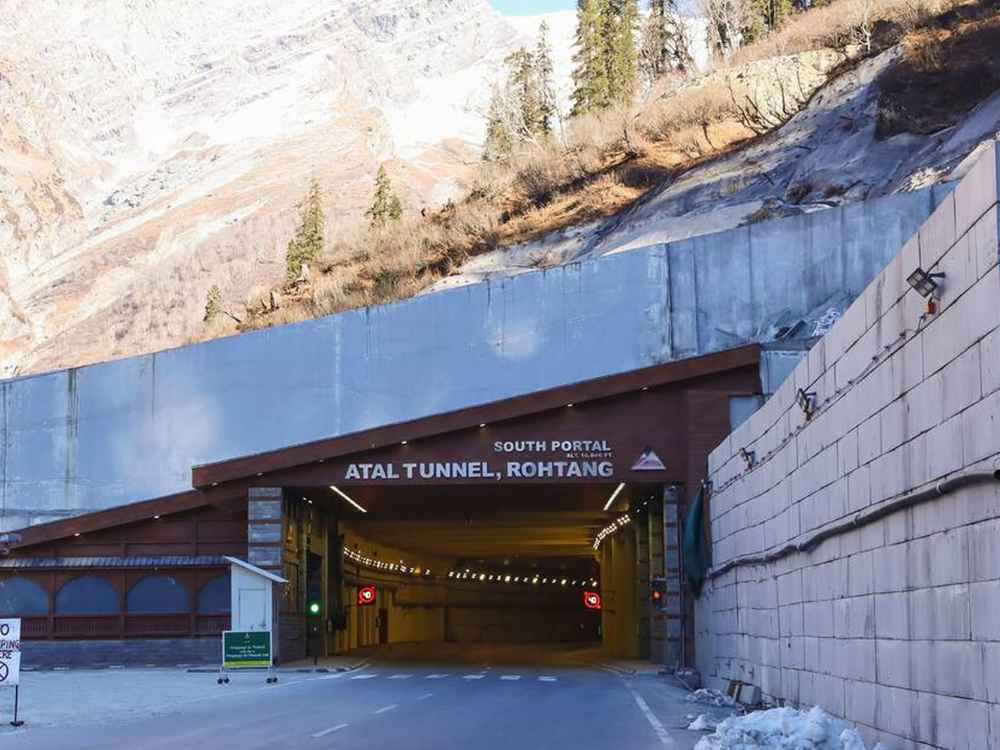
Atal Tunnel, a marvel of engineering, isn’t just a single passage — it’s defined by two gateways: the South Portal and the North Portal. These portals mark the beginning and end of the tunnel journey and offer two completely different landscapes.
South Portal
- Location: Near Manali in the Kullu Valley
- Altitude: Approx. 3,060 meters (10,040 feet)
- Access: Entry point for travelers heading from Manali to Lahaul-Spiti
The South Portal is surrounded by the greenery of Kullu Valley, with snow-capped Himalayan peaks visible in the distance. It feels like a classic Himachal landscape.
North Portal
- Location: Near Sissu in the Lahaul Valley
- Altitude: Approx. 3,071 meters (10,075 feet)
- Access: Exit point for travelers coming from Manali side
As soon as you exit from the North Portal, you enter the dry, dramatic terrain of Lahaul Valley — a sharp contrast to Manali’s lush forests. This sudden change in scenery is one of the most exciting parts of crossing Atal Tunnel.
Rules & Regulations
While crossing Atal Tunnel, it’s important to follow certain rules and regulations for your safety and the smooth flow of traffic:
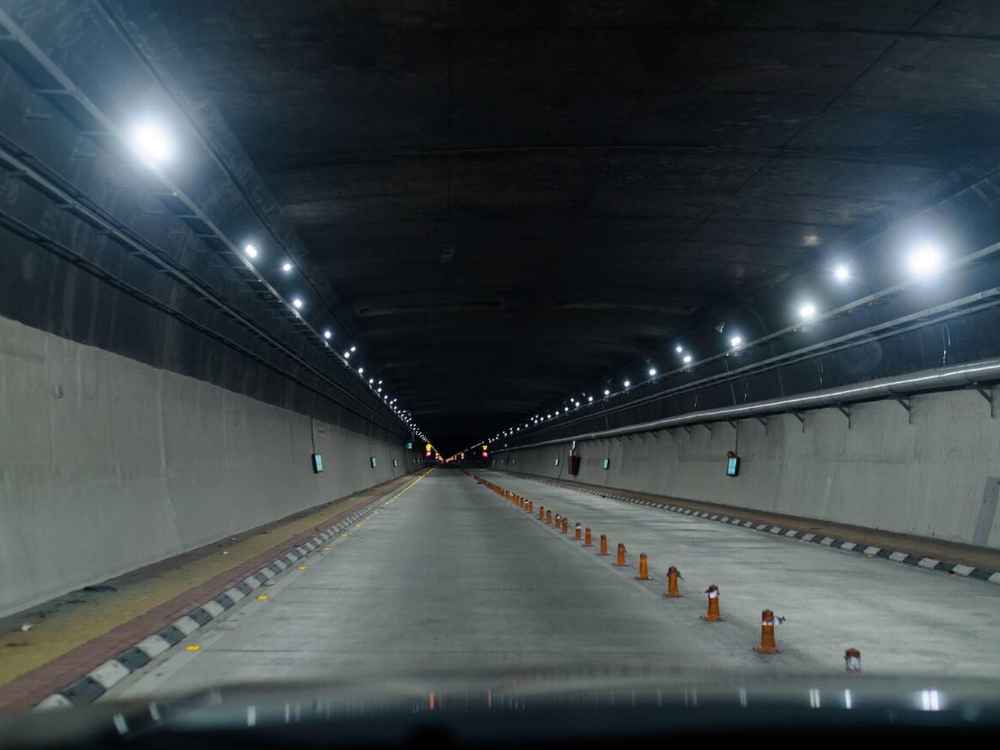
- Speed Limit: Follow the posted speed limit inside the tunnel, which is generally 80 km/h (50 mph).
- Lane Discipline: Maintain your lane and avoid unnecessary overtaking.
- No Stopping: Do not stop your vehicle inside the tunnel unless it’s an emergency.
- Headlights: Keep your vehicle headlights on while driving through the tunnel.
- Avoid Photography: Photography is generally prohibited inside the tunnel for safety reasons.
- Emergency Procedures: In case of an emergency, follow the instructions provided by the tunnel authorities.
By following these points from our Atal Tunnel guide and being mindful of the surroundings, you can ensure a safe and enjoyable journey through the Atal Tunnel and its beautiful portals.
How to Reach Atal Tunnel
Getting to Atal Tunnel is an adventure in itself. There are multiple travel options depending on your budget and style.
By Air (Nearest Airport)
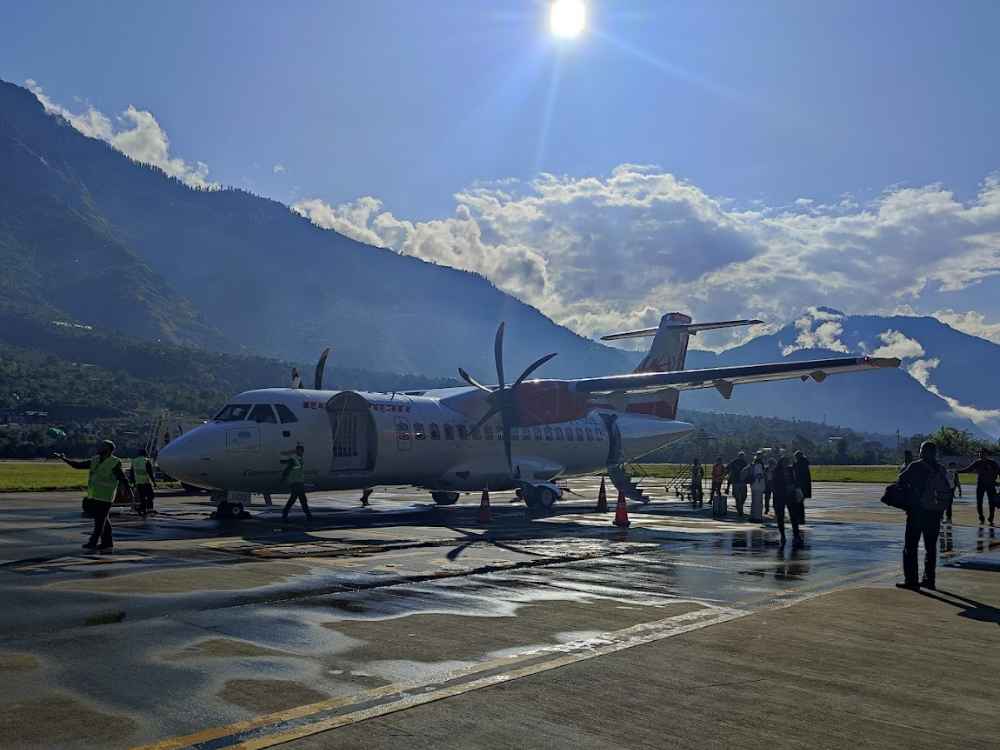
The nearest airport to Atal Tunnel is Bhuntar Airport (KUU), located about 50 km from Manali. While Bhuntar Airport has limited connectivity, it’s connected to some major Indian cities.
From Bhuntar, you can hire a taxi or take an HRTC bus to Manali. The ride from Bhuntar to Manali takes about 2-3 hours, depending on traffic and road conditions. It’s advisable to book your flight and transportation in advance, especially during peak season.
By Road (Most Popular)
Taxi/Private Vehicle:
This is the most convenient option, you can hire a taxi from Manali directly to Atal Tunnel and back. The Atal Tunnel distance from Manali is around 28 km, which is easily covered by car.
Having your own vehicle also allows you the flexibility to stop at viewpoints and explore the surrounding areas at your own pace.
HRTC Buses
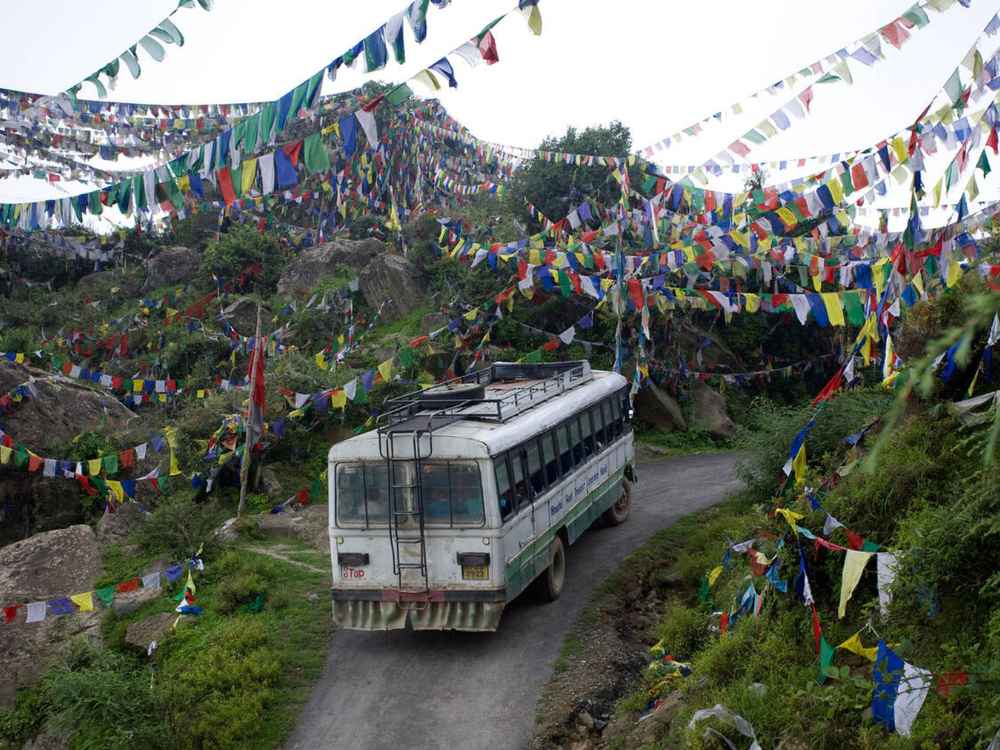
Himachal Road Transport Corporation (HRTC) operates regular buses from Manali to Keylong and beyond, which go through Atal Tunnel. These buses are a budget-friendly option and offer a chance to interact with locals.
You can check the HRTC website or visit the Manali bus stand for the latest bus schedules and fares. It’s advisable to book your tickets in advance if possible. Keep in mind that bus schedules can be affected by weather conditions, particularly during winter.
Motorbike Rental
Manali is also a hub for motorbike rentals. You can rent a Royal Enfield or similar bike for a thrilling ride to Atal Tunnel.
Make sure to carry proper riding gear: helmet, jacket, gloves, boots, and warm layers. Also, inspect the bike carefully and confirm insurance/breakdown assistance. Riding in the Himalayas is exciting, but it demands experience and caution.
If your journey continues beyond Himachal and you’re planning an extended Himalayan expedition, you can also check adventure itineraries like the Delhi to Leh Umling La Srinagar Bike Backpacking Trip which covers some of India’s most extreme high-altitude roads.
Best Time to Visit Atal Tunnel
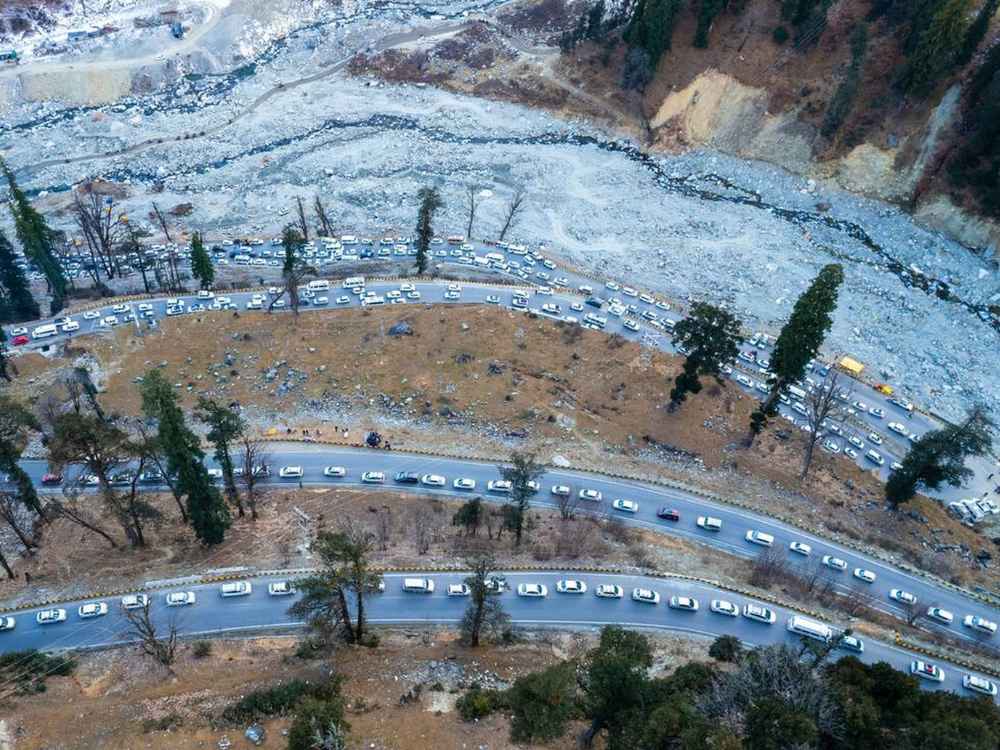
The Atal Tunnel’s weather can be unpredictable, especially at higher altitudes. It’s essential to check the forecast before you travel.
The best time to visit Atal Tunnel is during the summer months (May to October) when the weather is relatively pleasant. However, even in summer, the Atal Tunnel temperature can be cool, so pack layers.
During winter, snowfall can be heavy. Although Atal Tunnel keeps connectivity open for Lahaul, there can still be temporary closures due to avalanches or extreme conditions.
Rohtang Pass: Old Gateway
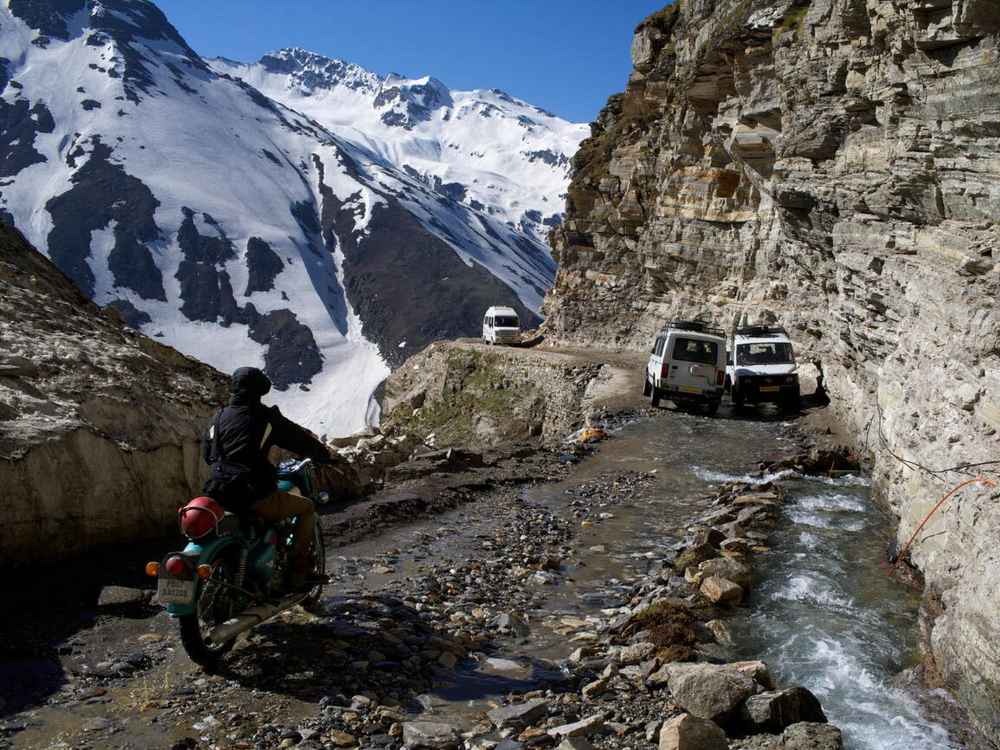
Before Atal Tunnel, Rohtang Pass was the main gateway to Lahaul and Spiti. Rohtang literally means “pile of corpses”, a name earned due to the dangerous terrain and harsh weather conditions.
The Rohtang Pass history is full of stories of adventure, hardship, and tragedy. Today, the Atal Tunnel Rohtang route has made this journey far safer and much faster.
Things to Do Near Atal Tunnel
Atal Tunnel isn’t just a destination; it’s a gateway to some of the most breathtaking landscapes in the Himalayas.
Here’s a closer look at the places you can explore around the tunnel:
Lahaul and Spiti
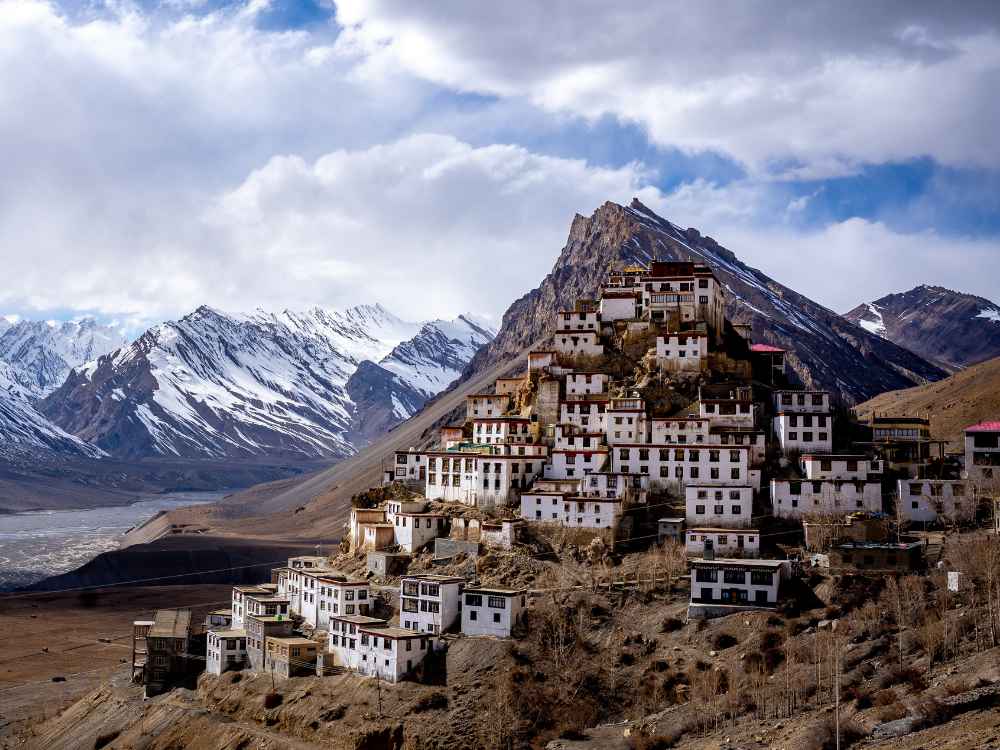
Spiti is often referred to as “Little Tibet,” is a district that will leave you spellbound. Atal Tunnel has significantly improved access to this region, making it easier for travelers to explore its wonders.
Explore monasteries like Key Monastery, Tabo Monastery, and Dhankar. Visit Chandratal Lake, a crescent-shaped high-altitude lake surrounded by snow peaks.
Sissu
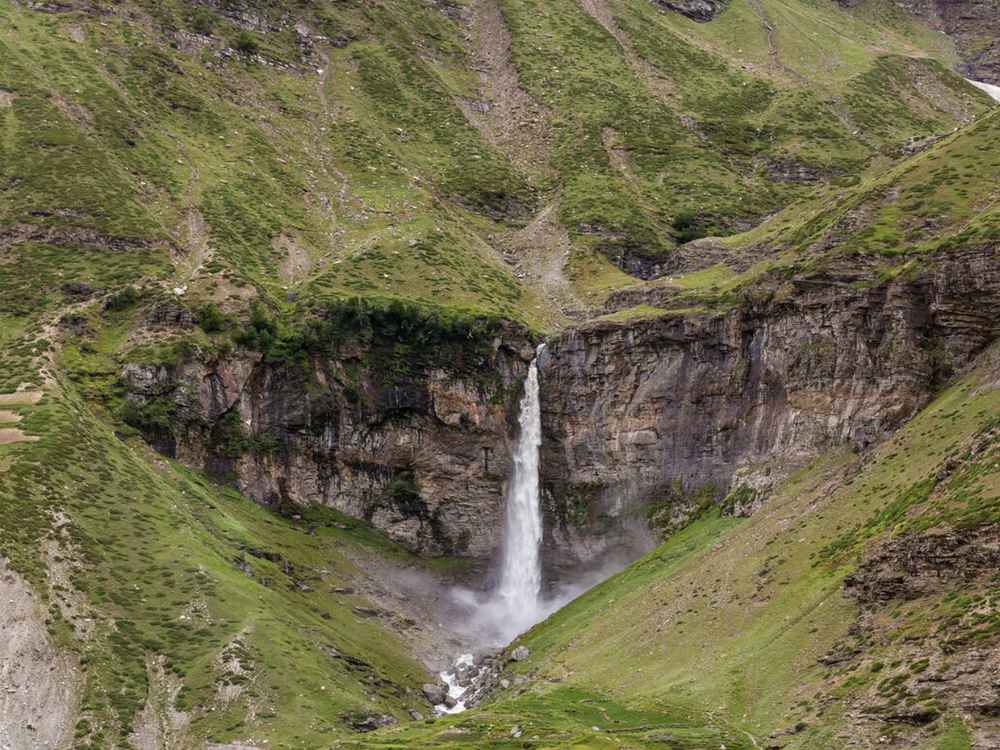
Sissu, located near the Atal Tunnel north portal, is a serene village known for its natural beauty. The Atal Tunnel to Sissu distance is about 11.5 km, making it an easy and pleasant drive.
The gushing waterfall is a major attraction in Sissu, along with a small but picturesque lake located near the village and the Gondhla Fort.
Suraj Tal
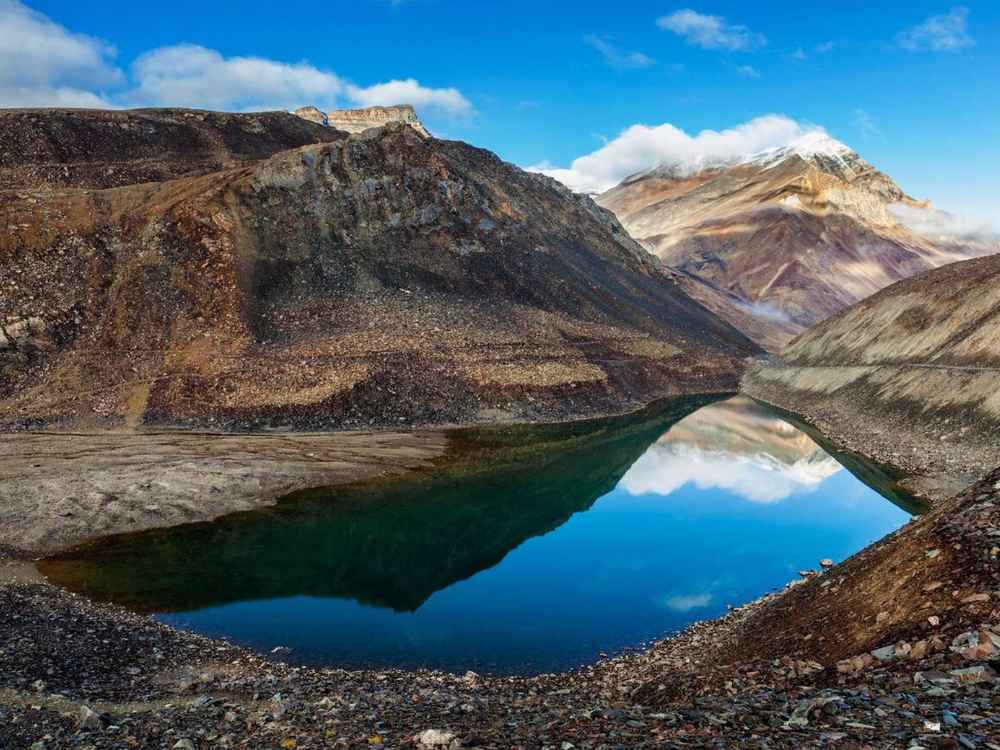
Suraj Tal, located near Baralacha Pass, is a high-altitude lake known for its pristine beauty. It’s a popular stop for travelers to Ladakh on the Manali-Leh highway.
Jispa
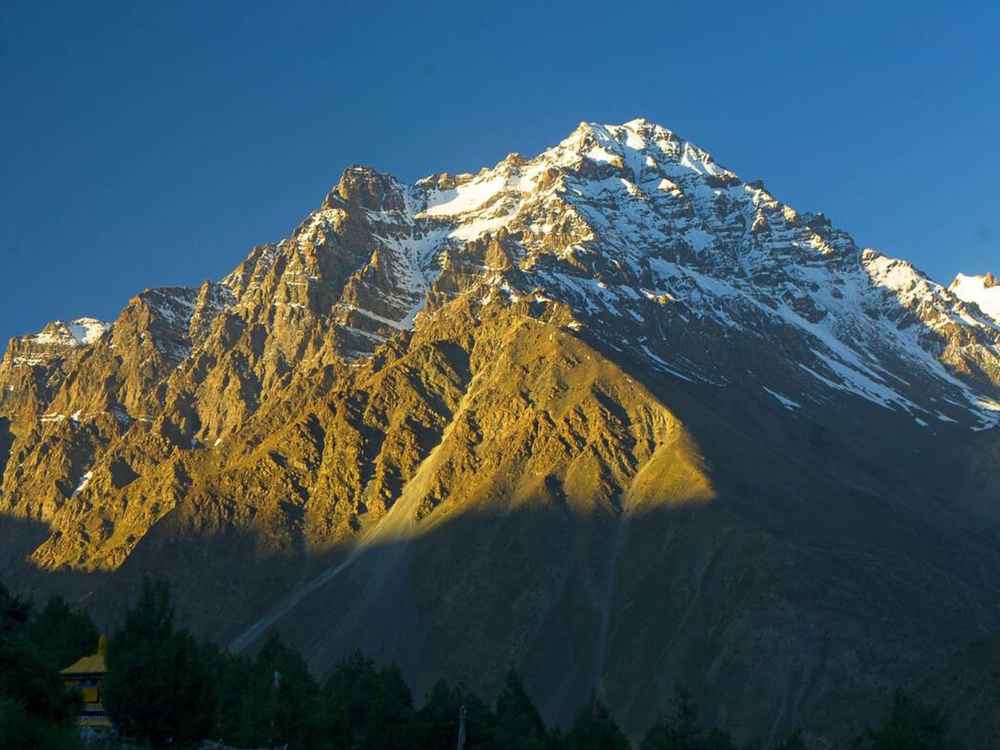
Jispa is a serene stopover located on the Manali-Leh highway. It’s an ideal place to relax and acclimatize if you’re continuing further into the high mountains.
Keylong
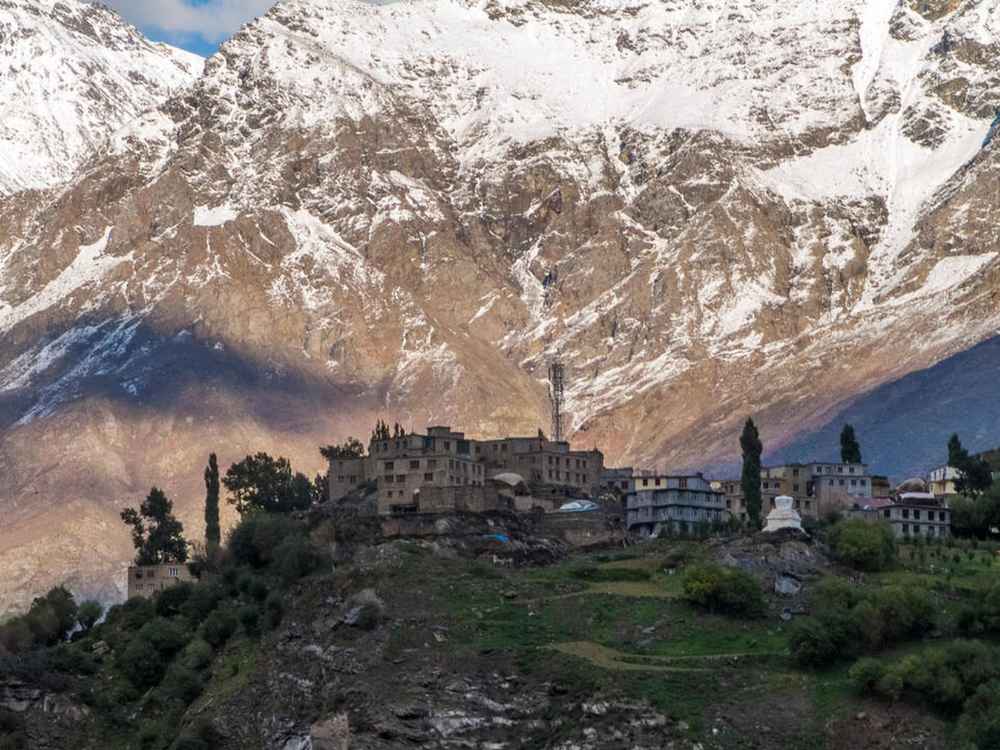
Keylong is the administrative center of Lahaul. It offers a glimpse into local life and serves as a base for exploring the surrounding areas.
Gulaba
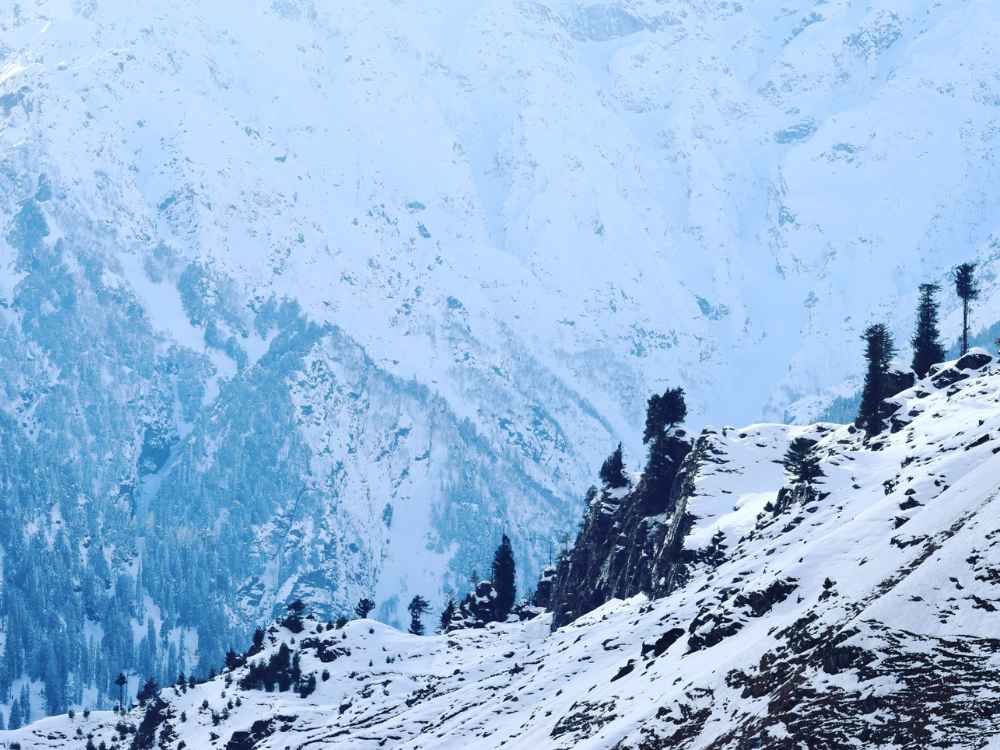
Located on the way to Rohtang Pass from Manali, is a popular destination for adventure activities. During winter, Gulaba transforms into a winter wonderland, offering opportunities for skiing and snowboarding. Soar through the air and enjoy breathtaking views of the surrounding mountains.
Manali
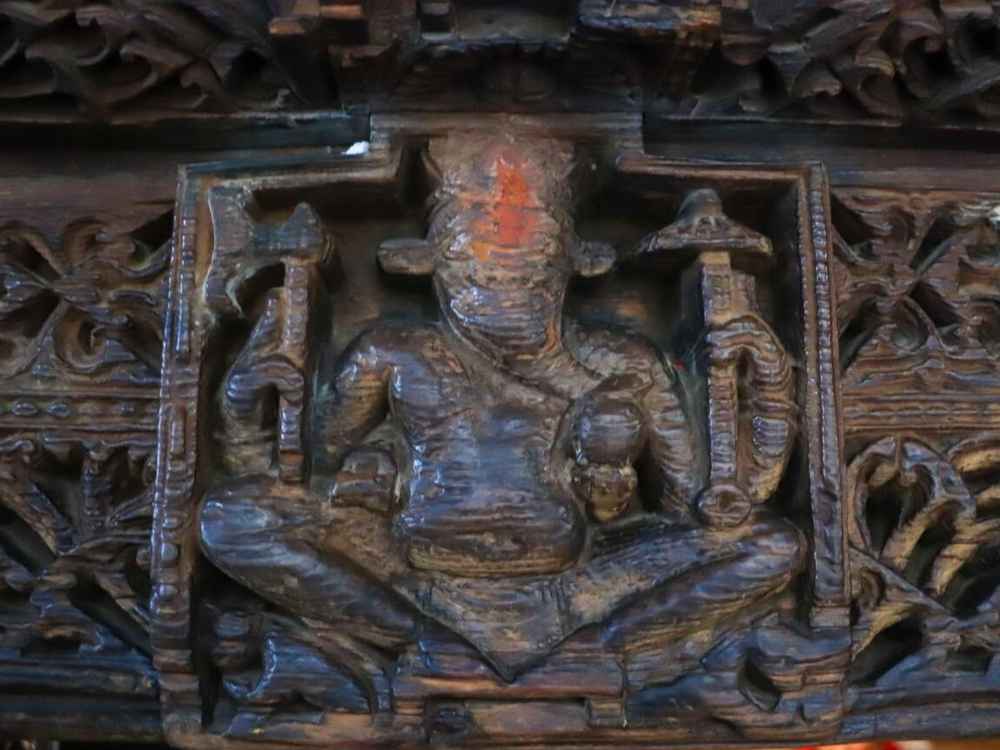
Manali is a popular hill station that serves as the gateway to Lahaul and Spiti. It offers a wide range of attractions, from ancient temples to bustling markets. Visit Hadimba Temple, explore the Mall Road, and enjoy the scenic beauty of the surrounding mountains.
Solang Valley
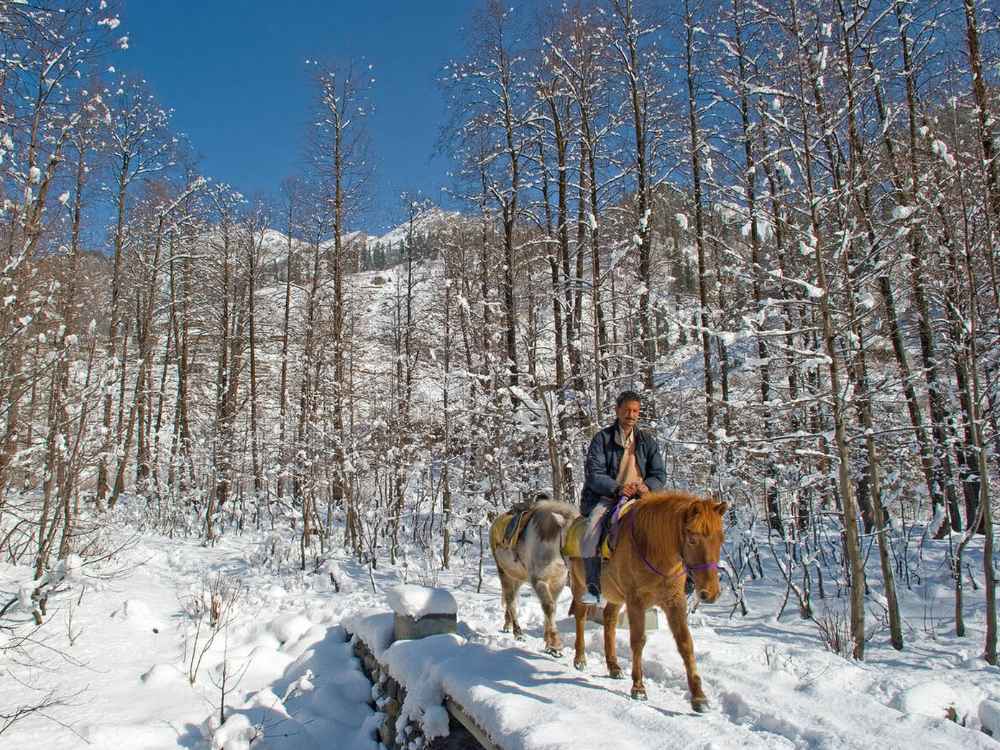
Solang Valley is located near Manali, is a popular tourist destination known for its scenic beauty and adventure activities. You can enjoy the thrill of paragliding or zorbing in this beautiful valley.
Similar to Gulaba, Solang offers opportunities for skiing and snowboarding. Also, take a cable car ride to the top of the mountain for panoramic views of the valley.
Exploring these places around Atal Tunnel will enrich your travel experience and give you a deeper appreciation for the beauty and culture of the Himalayas.
Also, for travelers who want to extend their adventure beyond Himachal into Ladakh remote landscapes like Hanle and Umling La, you can explore the Leh Ladakh Bike Trip from Srinagar which includes one of the most offbeat high-altitude circuits in India.
Atal Tunnel has had a massive impact on the region. It has boosted tourism, improved trade routes, strengthened connectivity, and brought communities closer. It has also enhanced strategic movement for national security.
So plan your trip to Atal Tunnel and experience the magic of the Himalayas yourself.
Atal Tunnel: FAQs
Absolutely! Atal Tunnel is a must-visit in Himachal Pradesh. Its 9.02 km length is an engineering marvel and it dramatically reduces travel time compared to Rohtang Pass. The scenic beauty beyond the tunnel makes it worth it.
It usually takes around 10–15 minutes, depending on traffic. This is a huge improvement compared to Rohtang Pass, which could take hours.
Generally, no special permission is required to cross Atal Tunnel for regular tourist vehicles. However, for travel deeper into Lahaul-Spiti or restricted areas, permits may apply depending on route and season.
No. Atal Tunnel is not the longest tunnel globally, but it is among the most important high-altitude highway tunnels and a major achievement in India.
Atal Tunnel is famous for connecting Manali to Lahaul and Spiti through an all-weather route, reducing travel time, improving connectivity, and bypassing the risky Rohtang Pass.
Atal Tunnel is among the longest highway tunnels in India with a length of 9.02 km and is one of the most iconic tunnel projects in the country.
Plan your trip and explore Himachal Pradesh with JustWravel


