

There is a land where the horizon seems to disappear. The earth stretches out in a perfectly flat line, and the silence is so deep that you can almost feel it physically around you. Welcome to the More Plains of Ladakh, a high-altitude plateau that will surprise you and change how you see the Himalayas.
This isn’t just another stop on your Ladakh itinerary; it’s an experience — a journey into a landscape so unique that it will make you question everything you thought you knew about the Himalayas.
Sandwiched between towering mountain passes and winding roads, the More Plains are not just about ticking off landmarks. But don’t be fooled by their serene appearance.
This is a land of extremes, where the More Plains temperature can drop suddenly, and the thin air demands respect. For many travelers, More Plains feels like a relief after the rugged terrain of Sarchu, making this 30 km stretch surprisingly smooth and enjoyable to drive through.
We’re here to give you the raw, unfiltered truth about exploring the More Plains — from the bone-chilling winds that sweep across the plateau to the star-studded nights that light up the vast emptiness.
With minimal light pollution, the skies here are ideal for stargazing. The silence and the endless horizon create a perfect setting for reflection and awe. Spending time in the More Plains can also help in acclimatization before moving toward higher passes, giving travelers a real feel of Ladakh’s high-altitude desert climate and terrain.
However, even during summer, temperatures can drop sharply at night. Strong winds and occasional sandstorms are common, and the high altitude makes it essential to acclimatize properly — ideally by staying overnight in places like Sarchu before crossing this stretch.
In this guide, we’ll cover what to expect while driving through this surreal plateau, how to handle the altitude and weather conditions, and how to experience the More Plains safely while making the most of its unmatched beauty.
Topography of More Plains
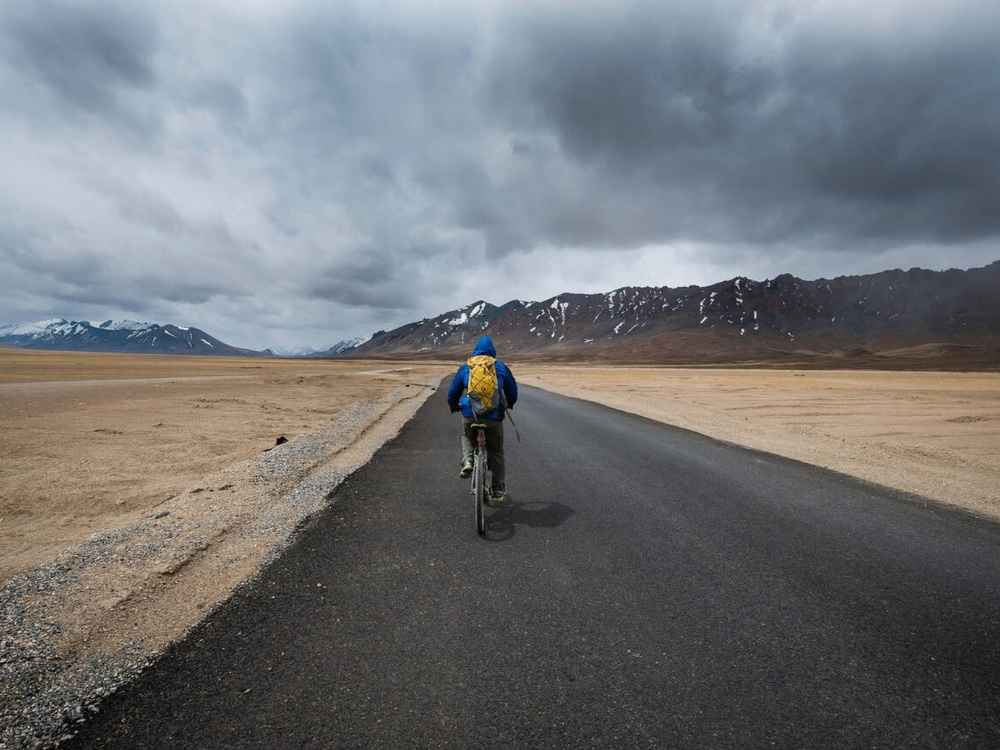
The remarkable flatness of the More Plains, a high-altitude plateau located along the Leh-Manali Highway, is one of the most unique sights in Ladakh. Unlike the usual steep Himalayan valleys, this region feels like an endless open stretch where the land appears almost perfectly level.
This unusual landscape was formed over thousands of years due to the accumulation of sediments. Ancient rivers and lakes that once existed here deposited fine particles layer by layer, eventually creating the smooth and uniform surface that we see today.
Another reason why the plains have remained so flat is the dry, desert-like climate. Since this region receives very little rainfall, there is minimal soil erosion, which helps preserve the plateau’s wide, open terrain.
Historically, the More Plains were also important from a strategic point of view. They served as a natural route for trade and movement, offering a relatively easier passage through an otherwise rugged Himalayan landscape.
However, the More Plains are located at a very high altitude, usually above 4,000 meters, which can make breathing difficult for many travelers. Because of this, proper acclimatization is essential to avoid altitude sickness.
Even during summer, the temperature here stays cold, and strong winds are common. This makes the More Plains not only a geological wonder but also one of the most extreme environments you’ll experience on a Ladakh road trip.
Also READ: Your Guide on How to Reach Leh Ladakh
Best Time to Visit More Plains Ladakh
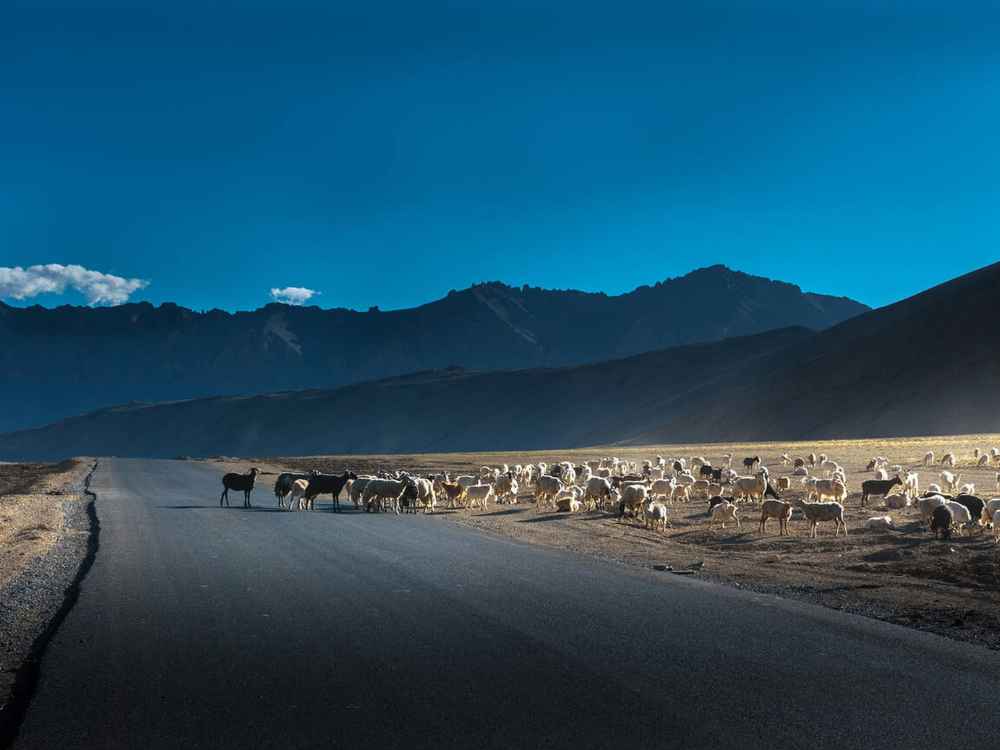
The best time to visit the More Plains is between June and September. This is the only window when the Leh-Manali Highway is usually open, allowing travelers to reach this high-altitude plateau. During these months, the daytime temperatures are quite comfortable for driving or riding, although the nights remain very cold.
The skies are mostly clear during this period, which offers great views of the breathtaking landscape. This is also the perfect time for a bike trip from Delhi to Ladakh, as the highway is cleared of snow and the 40-km stretch of the plains becomes a smooth, enjoyable ride.
Why June to September?
- Road Accessibility: The highway is cleared of snow, making the 40-km stretch of the plains a smooth ride.
- Photography: With clear blue skies and sharp visibility, this is the best time for photographers to capture the vastness of the plateau.
- Acclimatization: Since the weather is stable, it is easier for your body to adjust to the high altitude compared to the harsh winter months.
However, you should keep in mind that even in the peak of summer, the More Plains temperature can drop suddenly if there is a strong wind. If you are traveling in late September, be prepared for early snowfall and even colder nights as the winter season starts to set in.
More Plains Ladakh: What to Expect?
Because the More Plains of Ladakh is unlike any other place on the Leh-Manali Highway, you need to be prepared for its unique conditions. Here is what you should expect when you cross this high-altitude plateau:
- Vast Open Landscape: The More Plains are known for their endless flat stretch and wide horizon. You’ll experience a strong sense of isolation and the true scale of Ladakh’s high-altitude desert.
- Unpredictable Weather: The More Plains temperature can change quickly. Even in summer, it can get cold within minutes, especially when winds pick up. Carry warm layers at all times.
- Limited Facilities: There are almost no shops, restaurants, or fuel stations in this area. Make sure you carry enough food, water, and basic travel supplies before entering the More Plains stretch.
- Strong Winds & Dust: Winds are common here and can get harsh, sometimes bringing dust and sand. A windproof jacket and sunglasses are highly recommended.
- High Altitude Risk: Due to the extreme More Plains altitude, travelers may feel breathless or dizzy. Proper acclimatization is important, and it’s best to avoid rushing through this region.
Highlights En Route to More Plains
The journey to the More Plains is not just about reaching a destination — it’s a journey filled with dramatic landscapes, legendary mountain passes, and some of the most iconic stops on the Leh-Manali Highway.
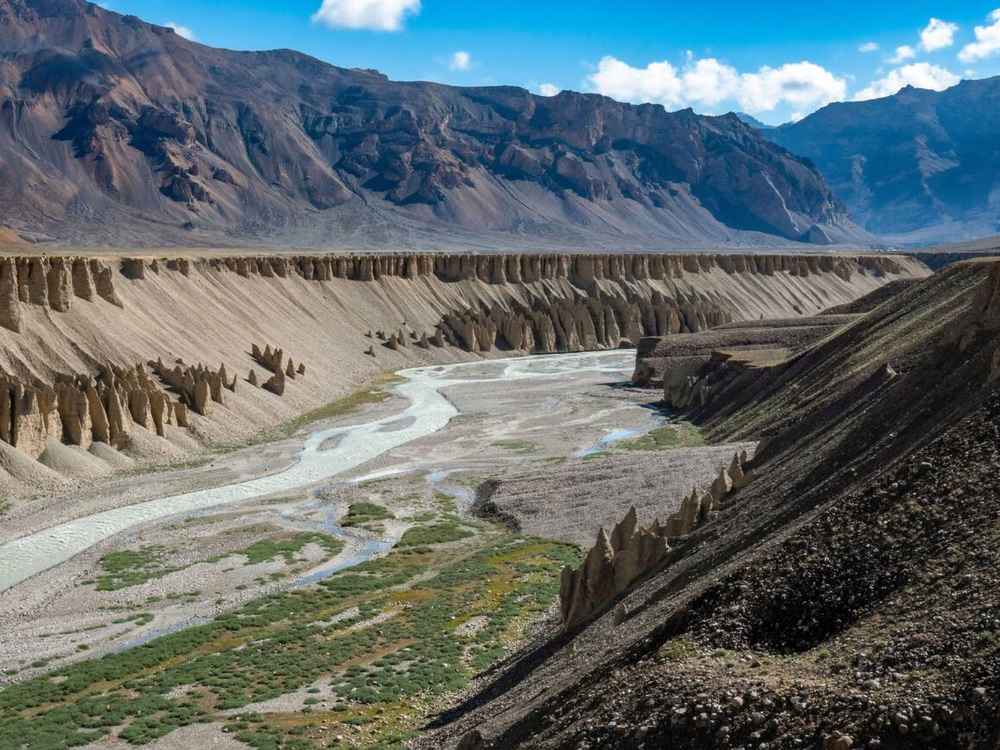
Here are the top highlights you’ll encounter before reaching the More Plains:
Sarchu (Overnight Halt on Leh-Manali Highway)
Situated right on the border of Himachal Pradesh and Ladakh, Sarchu is one of the most important overnight stops for travelers heading toward Leh. This high-altitude plateau is known for its stark landscapes, cold winds, and complete isolation. The terrain is rugged and raw, and the weather can turn extreme without warning.
Sarchu is also where many travelers begin proper acclimatization before continuing toward the More Plains and higher passes.
Gata Loops (21 Hairpin Bends)
The famous Gata Loops consist of 21 sharp hairpin bends that climb steeply through the mountains. This section is a thrill for drivers and bikers, offering panoramic views of the valleys below. The sudden changes in altitude and scenery make it one of the most exciting parts of the Leh-Manali route.
Local legends also add mystery to this stretch, making it both scenic and intriguing.
Nakee La & Lachulung La (High-Altitude Passes)
These two high mountain passes come one after another and test your driving skills with steep climbs and rough roads.
- Nakee La is known for its barren landscape and challenging ascent.
- Lachulung La offers dramatic views of colorful rock formations and wide valleys.
Both passes provide an authentic Himalayan road-trip experience and prepare you for the vast openness of the More Plains.
Tanglang La (One of the Highest Motorable Passes)
Often considered among the world’s highest motorable passes, Tanglang La is a major milestone on the Leh-Manali Highway. The thin air, vast barren terrain, and extreme altitude make the experience feel almost unreal. Once you reach the summit, the views are breathtaking, and the sense of achievement is unforgettable.
Tanglang La also marks the transition toward the Indus Valley region, where the landscape begins to shift again.
Diversions from Debring (Gateway to Changthang)
Before reaching Tanglang La, you’ll come across Debring, an important diversion point on the Leh-Manali Highway.
This junction opens up routes toward the southeastern Changthang region of Ladakh — a remote area known for high-altitude lakes, wildlife, and wide open landscapes.
For travelers who want to explore offbeat Ladakh beyond the highway, Debring is the perfect turning point.
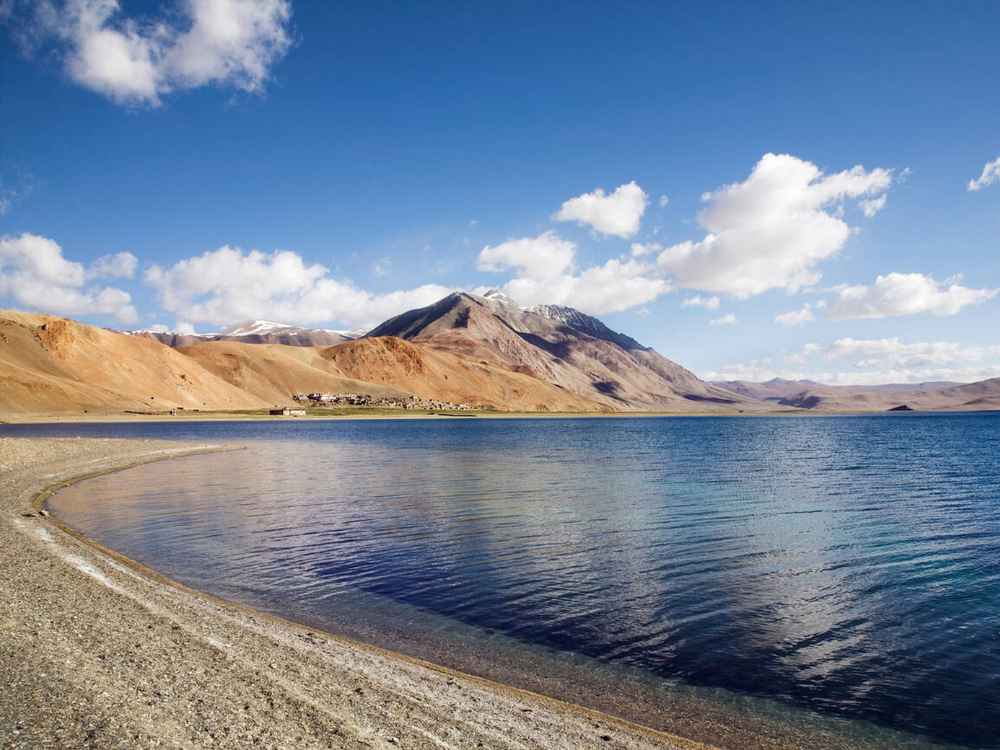
Tso Moriri Lake
One of Ladakh’s most beautiful high-altitude lakes, Tso Moriri is known for its crystal-clear blue water and stunning reflections of the surrounding mountains.
Its peaceful environment and remote setting make it ideal for travelers seeking solitude. The lake is also a paradise for birdwatchers, with migratory birds often spotted here.
Korzok Village
Located on the shores of Tso Moriri, Korzok is a small Ladakhi village that offers a glimpse into traditional life in the Changthang region.
The village is home to the ancient Korzok Monastery, which adds spiritual and cultural depth to the experience. The views from the monastery overlooking the lake are unforgettable.
Tso Kar Lake
Tso Kar is a salt lake famous for its unique ecosystem and birdlife. The surrounding wetlands and salt flats create a surreal landscape that feels completely different from the rest of Ladakh.
It is also an important breeding ground for migratory birds, making it a favorite among nature enthusiasts.
Puga Valley
The remote Puga Valley is known for geothermal activity, sulfur deposits, and natural hot springs.
This unusual terrain gives a glimpse into Ladakh’s raw geological side. The valley is also significant because it is considered a potential site for geothermal energy development in the future.
Hanle (Stargazing Destination)
Located close to the Indo-Tibetan border, Hanle is one of Ladakh’s most remote villages. It is home to the historic Hanle Monastery and the famous Indian Astronomical Observatory.
The isolation and silence here make the experience unforgettable. This is a major highlight for those on a Leh Ladakh bike trip from Srinagar with Hanle and Umling La, as the clear skies here offer the best stargazing experience in India.
Final Thoughts
In essence, the More Plains offer a starkly beautiful and profoundly unique experience — a true reflection of Ladakh’s silent and untamed nature.
Whether you traverse its endless stretches by road, capture its dramatic landscapes through your lens, or simply gaze at the star-filled night sky, the More Plains leave an indelible mark on every traveler.
For those seeking adventure, peace, or a deeper connection with nature, this plateau delivers an experience that stays with you long after the journey ends.
More Plains FAQs
The More Plains Ladakh is a high-altitude plateau located in the Ladakh region of India. It’s a vast, flat expanse situated along the Leh-Manali Highway, known for its unique and striking landscape. The Plains of Ladakh here are distinct because of the sheer flatness at such high elevations.
The More plains altitude averages around 4,800 meters (15,750 feet) above sea level. This high altitude is a significant factor for travelers, requiring careful acclimatization to prevent altitude sickness.
The Moore plains from Leh are approximately 150-180 kilometers away, depending on the exact starting point in Leh. The journey involves traveling along the Leh-Manali Highway.
The Moore plains distance refers to the length of the plateau itself, which stretches for approximately 40 kilometers along the Leh-Manali Highway. This expanse provides a unique driving experience.
Yes, the Gata Loops are located on the Leh-Manali Highway and are encountered before reaching the More Plains when traveling from Manali. They are a series of 21 hairpin bends that lead up to higher elevations, and are a highlight of the journey to the More plains.
While the More Plains themselves are remarkably flat, the surrounding areas of Ladakh, including those accessible from the More Plains, are characterized by the deep valleys of Ladakh. The plains are situated amidst mountainous terrain, so travelers will encounter deep valleys before and after the plains.
The More Plains Ladakh are significant for their unique geological formation, their role as a crucial part of the Leh-Manali Highway, and their contribution to the overall stunning and varied landscapes of the Ladakh region. The flat terrain is extremely unique at such a high altitude.
Explore more of with JustWravel—Ladakh Bike and Backpacking Trip Packages


