

Kuari Pass Trek is one of the best winter treks in India — offering the perfect combination of history and adventure. But most trekkers get stuck when it comes to figuring out the Kuari Pass trek difficulty. Is it a beginner-friendly Himalayan trek? A moderate to difficult one? What level of physical fitness does the Kuari Pass Trek demand?
Here’s a detailed guide from JustWravel to help you understand everything about the difficulty level of Kuari Pass Trek. But before we dive into the technical requirements, let’s briefly look at what this trek truly offers.
The Kuari Pass trek, nestled in Garhwal Himalayas of Uttarakhand, stands as one of India’s most rewarding moderate-difficulty treks. It is also known as the ‘Curzon Trail’, named after Lord Curzon who traversed this route in 1905. This trek offers breathtaking panoramic views of peaks like Nanda Devi, Dronagiri, and Kamet.
Understanding the difficulty level is crucial for proper preparation and ensuring a safe, enjoyable trekking experience. Let’s get into the difficulty details of Kuari Pass Trek.
Trek Overview and Basic Details of Kuari Pass Trek

- Location: Garhwal Himalayas, Chamoli district, Uttarakhand
- Maximum Altitude: 12,516 feet (3,815 meters) – moderate elevation
- Duration: 6 Days
- Trek Distance: 28 km round trip
- Terrain: Dense oak and rhododendron forests, alpine meadows, scenic mountain ridges
- Best Time to Visit:
- April to June – Mild weather, spring blooms, and clear skies.
- September to November – Crisp autumn air, golden hues, and great visibility.
Why Kuari Pass is Ideal for Beginners:
- Offers an authentic Himalayan trekking experience without extreme difficulty.
- Features well-marked, beginner-friendly trails with gradual altitude gain.
- Campsites are well-organized and safe, making it a great choice for first-time trekkers.
- Ideal for anyone planning a first Himalayan high-altitude trek.
Understanding Kuari Pass Trek Difficulty: From Fitness to Trail Conditions
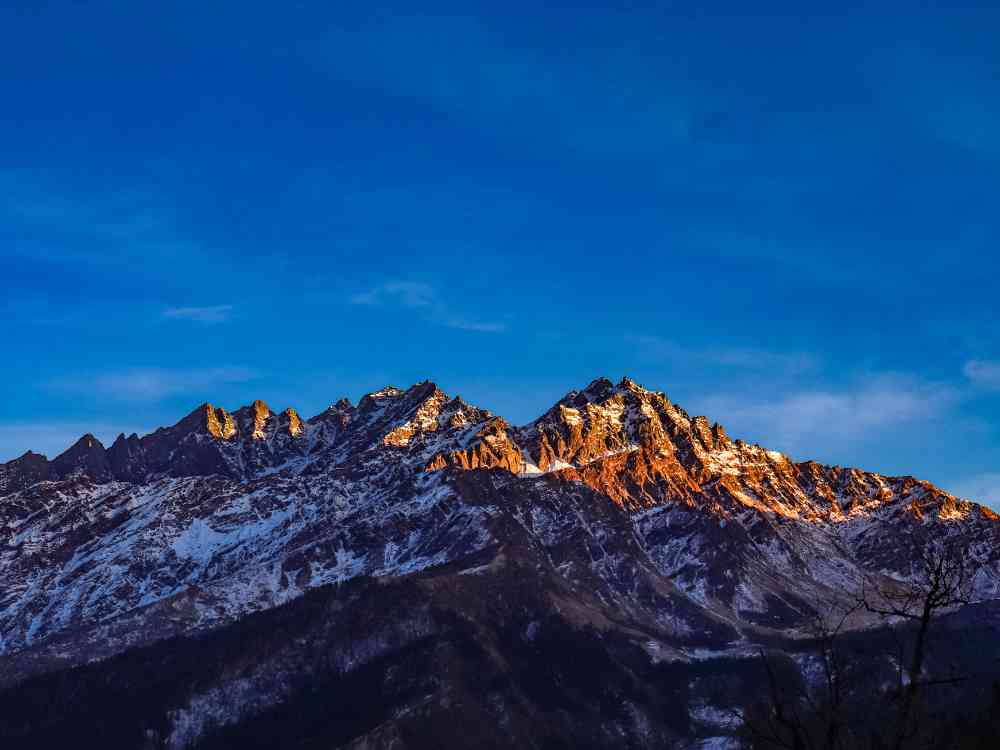
Kuari Pass Trek Fitness Requirements – How Fit Should You Be?
Kuari Pass trek difficulty demands moderate to good physical fitness. The trek involves 5-7 hours of daily walking across varied terrain, requiring sustained cardiovascular endurance and leg strength. Unlike technical climbs, this trek focuses on stamina and mental resilience rather than specialized mountaineering skills.
Recommended fitness preparation:
- 4–6 weeks of training prior to the trek.
- Daily cardio sessions (running, brisk walking, cycling, or swimming) – at least 45 minutes.
- Strength training, especially for legs and core (lunges, squats, planks).
- Practice incline hiking or walking with a 6–8 kg backpack.
- Weekend hikes or stair climbing help simulate real trekking conditions.
A strong fitness base ensures acclimatization, reduces injury risk, and enhances your overall Himalayan experience.
Technical Difficulty and Trail Conditions
From a technical perspective, Kuari Pass is a non-technical trek with well-marked trails and no ropework or glacier crossings involved. The route includes:
- Gentle ascents, forest trails, and rolling meadows.
- Occasional rocky sections that require basic balance and sure-footedness.
- Well-defined paths with low navigation complexity — ideal for guided group treks.
Key technical highlights:
- No mountaineering gear or prior climbing experience required.
- Low risk of altitude sickness due to gradual elevation gain.
- Weather is the primary variable — spring can bring light showers; autumn offers stable conditions with cold nights.
- Accommodation is at established campsites with proper infrastructure for warmth, food, and safety.
Overall, Kuari Pass is a high-reward trek for those seeking a Himalayan adventure without the rigors of high-altitude or technical expeditions.
Want even more details on history, permits, gear, and features? Read our Complete Kuari Pass Trek Guide for immersive insights.
Day-wise Kuari Pass Trek Difficulty Breakdown
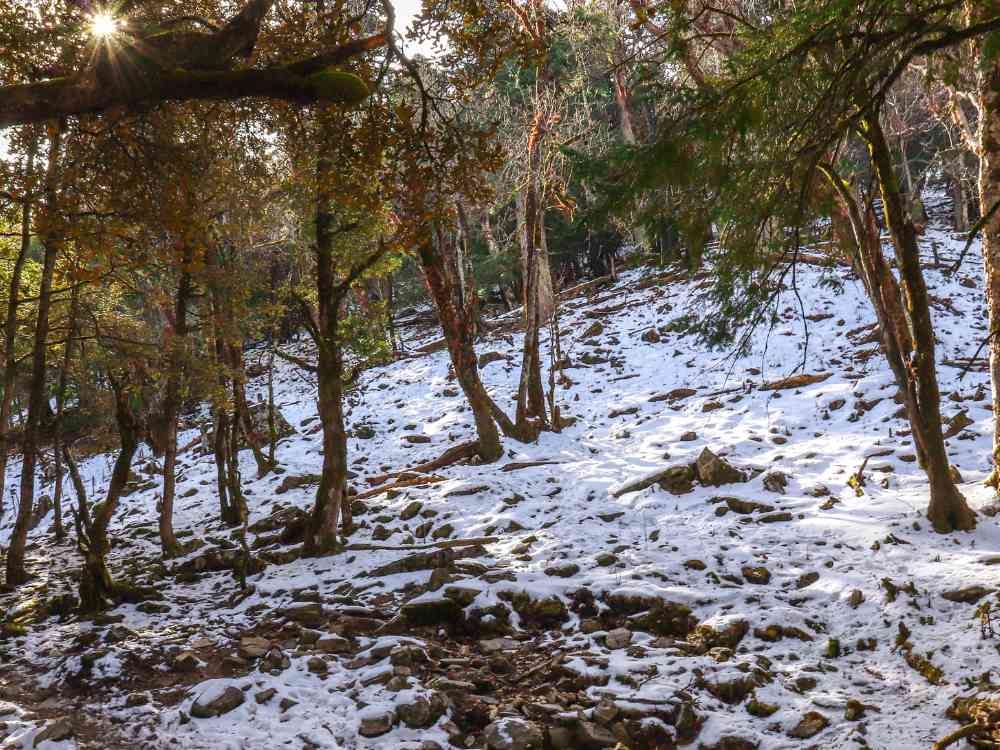
Day 1: Rishikesh to Joshimath/Pipalkoti (254 Kms, 10 Hours Drive)
Difficulty Level: Easy – Acclimatization & Travel Day
This foundation day involves a long scenic drive through the Garhwal region to reach Joshimath or Pipalkoti. The 10-hour journey serves as gradual acclimatization as you ascend from 340 meters in Rishikesh to approximately 1,875 meters. The difficulty is minimal, focusing on travel comfort and managing the lengthy drive. Most trekkers use this time for mental preparation and initial altitude adjustment.
Day 2: Drive to Tugasi + Trek to Guling (14 Km Drive + 4 Km Trek, ~5 Hours)
Difficulty Level: Moderate – Steep Forest Climb
The adventure begins with a 45-minute drive to Tugasi, followed by your first real trekking challenge. The 4-kilometer trek to Guling takes approximately 5 hours, indicating steep terrain and significant elevation gain. This day tests your cardiovascular fitness and establishes your trekking rhythm. The extended duration for a relatively short distance suggests challenging ascents through dense forests, making proper pacing crucial.
Day 3: Trek from Guling to Khullara (6 Kilometers, ~7 Hours)
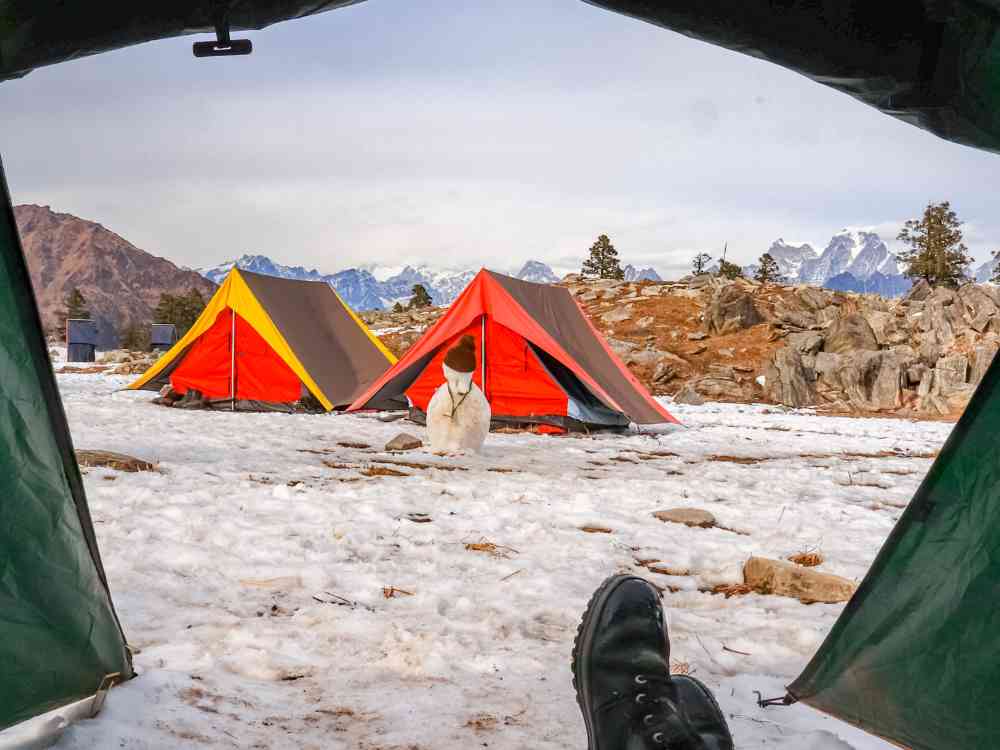
Difficulty Level: Moderate to Challenging – Altitude Push
This represents the most demanding day of the trek, with 6 kilometers taking 7 hours to complete. The extended timeline indicates steep climbs, technical terrain, and significant altitude gain. Trekkers traverse diverse landscapes from forest paths to alpine meadows, requiring sustained endurance and mental resilience. Proper hydration and energy management become critical as you approach higher altitudes where oxygen levels decrease noticeably.
Day 4: Trek to Kuari Pass and Back to Khullara (6 Kilometers, ~7 Hours)
Difficulty Level: Moderate – Summit Day with Early Start
Summit day presents unique challenges with an early morning start to catch sunrise views from Kuari Pass at 12,516 feet. The 6-kilometer round trip takes 7 hours, involving both ascent to the pass and return to Khullara. While technically straightforward, the altitude and potential weather changes demand respect and preparation. This day requires steady pacing, weather awareness, and the mental fortitude to push through fatigue for the rewarding summit experience.
Day 5: Trek to Tugasi + Drive to Joshimath/Pipalkoti (12 Km Trek + 14 Km Drive, ~6 Hours)
Difficulty Level: Easy to Moderate – Long Descent
The descent day combines a 12-kilometer trek from Khullara to Tugasi (6 hours) followed by the drive back to Joshimath/Pipalkoti. While easier in cardiovascular terms, the long descent can strain knee joints and requires proper trekking pole usage. The 6-hour duration for 12 kilometers indicates a more manageable pace compared to previous days, allowing for reflection on your achievements.
Day 6: Drive from Joshimath/Pipalkoti to Rishikesh (254 Kms, ~10 Hours Drive)
Difficulty Level: Easy – Return Journey
The final day involves a relaxed 10-hour drive back to Rishikesh, allowing for comfortable travel and reflection on your trekking achievement. This easy conclusion provides time for processing the experience and planning future adventures.
Factors That Affect Kuari Pass Trek Difficulty
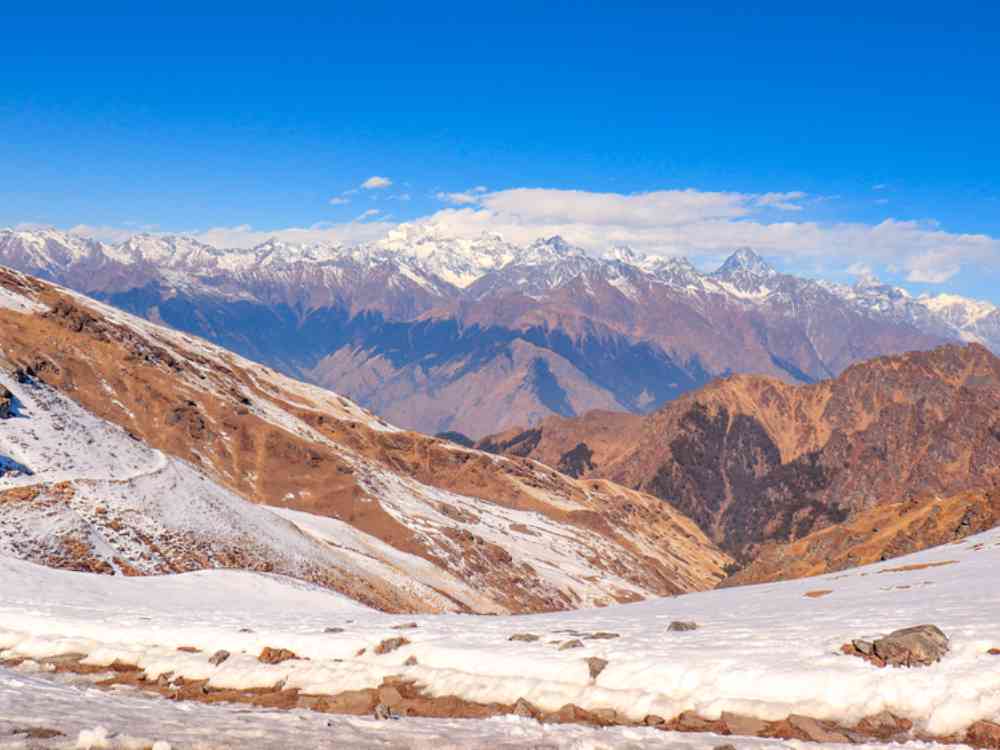
Altitude-Related Challenges
With a maximum elevation of 12,516 feet, the Kuari Pass Trek falls into the moderate-risk zone for altitude sickness. Most trekkers acclimatize comfortably due to the gradual ascent, but awareness of AMS symptoms— such as headaches, nausea, and fatigue remains important. The trek’s itinerary includes adequate acclimatization time, reducing altitude-related complications significantly.
Prevention strategies include maintaining proper hydration, avoiding alcohol, ascending gradually, and recognizing early warning signs. The relatively moderate maximum altitude makes severe altitude sickness rare, but proper preparation and awareness ensure safety.
Seasonal Weather Challenges
Weather is one of the most defining factors affecting trek difficulty.
- Spring (April–June): Daytime temperatures hover around 15°C, with nights cooling to 5°C. Expect occasional afternoon showers—rain gear and layered clothing are a must.
- Autumn (September–November): Offers clearer skies and more stable weather. Daytime temperatures stay around 10°C, but nights can plunge to -5°C. Cold-weather trekking gear like insulated jackets and high-altitude sleeping bags is essential.
Terrain Challenges
The trail surfaces range from well-maintained forest paths to natural meadow crossings and occasional rocky sections. Steep sections involve moderate gradients manageable for most fitness levels, with no technical climbing or dangerous exposure.
River crossings are minimal and safe—mostly small streams crossed via rocks or wooden planks. The terrain is friendly for trekkers with basic experience and decent fitness.
Emergency Exit Options
In case of emergencies:
- Closest exits: From campsites near Khullara or Tali, the nearest evacuation point is Dhak village. If trekkers have crossed to the Gorson Bugyal side, Auli is the fastest exit.
- Medical access: The nearest healthcare center is in Joshimath, about 20 km from Karchi. For serious issues, Dehradun is the best-connected city via road (~7–8 hours). It is recommended to carry a basic medical kit and trek under certified leadership for safety.
Is Kuari Pass Trek Right for You?
Ideal Candidates for the Trek
Kuari Pass trek difficulty welcomes beginners with good fitness levels and experienced trekkers seeking a moderate challenge. The age range of 12-65 years encompasses most healthy individuals, though proper fitness assessment remains crucial regardless of age. Those with cardiovascular conditions, recent surgeries, or serious health issues should consult medical professionals before attempting the trek.
Physical and Mental Preparation
Cardiovascular training forms the foundation of trek preparation. Running 5 kilometers comfortably, cycling for extended periods, or swimming for endurance builds the necessary aerobic base. Strength training should emphasize legs, core, and back muscles to handle daily pack carrying and uneven terrain navigation.
Practice treks on local hills with a weighted backpack simulate actual conditions and reveal gear preferences and physical preparedness levels. Mental preparation through research and visualization helps manage expectations and build confidence.
Kuari Pass vs Other Himalayan Treks – How It Compares
Where Kuari Pass Stands in Terms of Difficulty
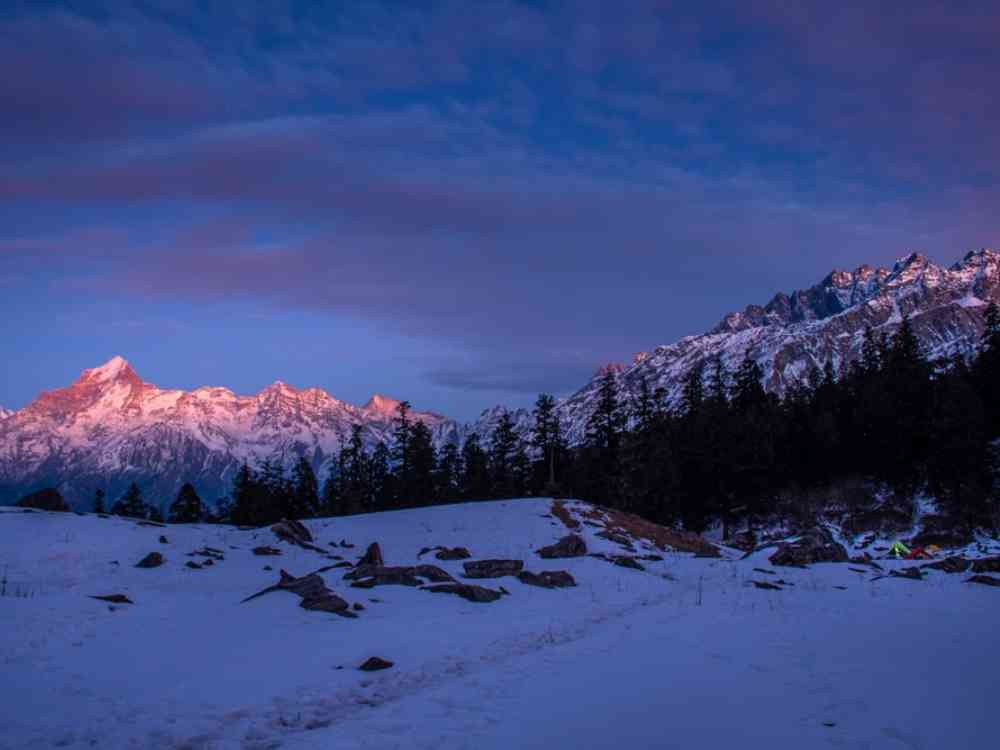
Kuari Pass is categorized as a moderate-level trek, offering a balanced challenge without being too demanding. Compared to treks like Valley of Flowers, Kuari is slightly tougher due to higher campsite elevations and longer trekking hours. However, it’s still much more beginner-friendly than Roopkund Trek, which involves extreme altitude gain, glacier sections, and unpredictable mountain weather.
Similar Treks in the Same Difficulty Range
If you’re looking for treks similar to Kuari Pass in terms of altitude and effort, consider:
- Brahmatal Trek – Similar elevation and winter snow experience
- Chopta Chandrashila Trek – Slightly shorter but comparable in terrain and physical demand
These comparisons help you set realistic expectations, choose the right gear, and assess your fitness level before committing to the Kuari Pass adventure.
Kuari Pass Trek Safety and Difficulty – Risks, Preparation & Recovery
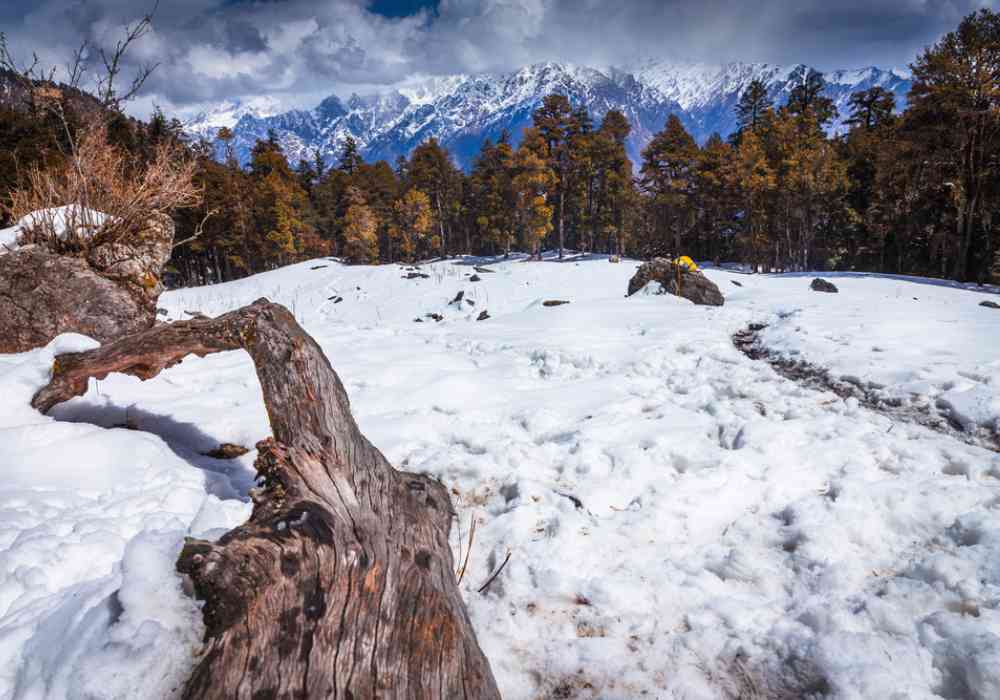
Common challenges include sudden weather changes, minor altitude discomfort, and typical trekking injuries like blisters or minor sprains. Proper gear selection, including quality trekking boots, weather protection, and first aid supplies, addresses most safety concerns effectively.
Trekking with certified guides ensures better emergency preparedness. Guides carry communication devices, follow evacuation protocols, and know the terrain. While emergencies are rare, the Kuari Pass trail’s accessibility and popularity mean rescue operations can be executed efficiently if needed.
Tips for Managing Kuari Pass Trek Difficulty
Pre-Trek Preparation:
- Start training at least 6 weeks before your trek.
- Focus on cardiovascular fitness (e.g., jogging, cycling, stair climbing).
- Build leg strength through exercises like squats, lunges, and uphill walking.
- Opt for comfortable, weather-appropriate gear over ultralight setups.
During the Trek:
- Maintain a steady pace — avoid rushing to prevent fatigue.
- Stay hydrated consistently, even if you don’t feel thirsty.
- Communicate openly with your trek leader or guide about any discomfort.
- Take short, frequent breaks to catch your breath and enjoy the scenery.
Rest & Recovery:
- Ensure proper sleep each night to help your body recover.
- Eat nutritious meals to maintain energy levels.
- Listen to your body — don’t ignore signs of exhaustion or altitude sickness
The Kuari Pass trek represents an excellent moderate-difficulty introduction to Himalayan trekking, combining manageable physical challenges with spectacular mountain scenery.
Begin your preparation today, respect the mountains, and prepare for an adventure that will leave you with lifelong memories and a deeper appreciation for the majestic Himalayas. The summit views of snow-capped peaks stretching to the horizon make every challenging step worthwhile.
Ready to take on Kuari Pass with expert support? Explore our Kuari Pass Trek Package including certified guides, meals, stays and safe logistics.
FAQs
Yes, the Kuari Pass trek is suitable for fit beginners, but a basic level of physical fitness, stamina, and mental preparedness is important to enjoy the experience safely.
The final ascent to Kuari Pass is steep, especially in snow or adverse weather. This section tests your endurance the most.
Expect to trek 8–12 km daily over hilly terrain with some steep climbs.
Absolutely weather is a major factor— snow or rain makes trails slippery and can add to the difficulty.
There is some risk due to rapid altitude gain— especially those who ascend too quickly or are poorly acclimatized.


