

Welcome, fellow travellers!
If you are planning a trip to Vietnam, one of the first things you need to check is the Vietnam visa requirement for Indian citizens. Unlike some Southeast Asian destinations, Indian passport holders need a visa to enter Vietnam for tourism or business travel.
The good news is that the process has become very simple in recent years. Most travellers today apply for the Vietnam eVisa for Indians, which is a fully online visa that can be approved within a few days without visiting the embassy.
The Vietnam tourist eVisa allows Indian travellers to stay in the country for up to 90 days and can be issued as either a single-entry or multiple-entry visa, depending on your travel plans.
Many Indian travellers also plan their itinerary while applying for a visa and start exploring different Vietnam tour packages for Indian travellers to understand the best routes, destinations, and travel experiences.
In this guide, we will explain how to apply for a Vietnam visa from India, visa cost for Indians, required documents, processing time, and step-by-step instructions for the Vietnam eVisa application.
Do Indians Need a Visa for Vietnam?
Yes, Indian citizens need a visa to travel to Vietnam for tourism, business, or other purposes. Vietnam does not currently offer visa-free entry for Indian passport holders, so travellers must obtain a valid visa before entering the country.
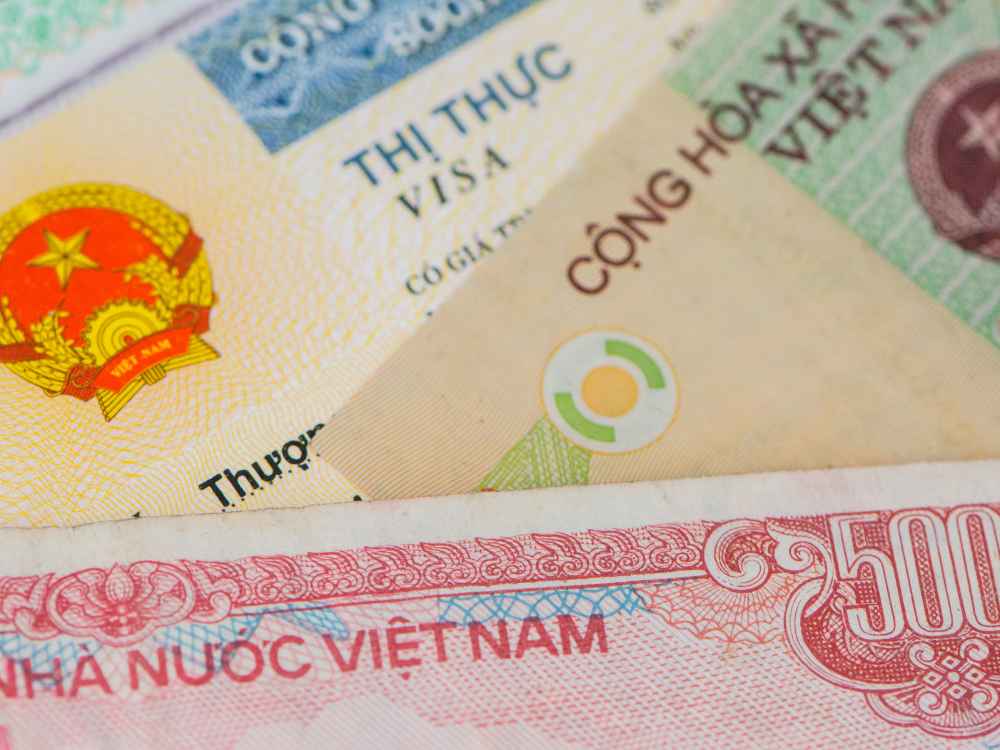
The easiest option for most travellers today is the Vietnam eVisa, which allows Indian tourists to apply online without visiting the embassy. This electronic visa is approved digitally and can be used to enter Vietnam through several international airports, land borders, and seaports.
The Vietnam tourist eVisa for Indians is valid for up to 90 days and can be issued as either a single-entry visa or a multiple-entry visa, depending on your travel plans. Most Indian travellers prefer the eVisa because the application process is simple and usually takes only a few working days.
Types of Vietnam Tourist Visa for Indians
Indian travellers planning a trip to Vietnam currently have two main tourist visa options. The most popular and convenient option is the Vietnam eVisa, which can be applied for completely online. Another option is the Visa on Arrival, which requires an approval letter before entering the country.
Most tourists from India prefer the Vietnam eVisa because it is simple, faster, and does not require waiting in long queues at the airport. However, depending on your travel plans, it is helpful to understand how both visa types work.
Vietnam eVisa for Indians
The Vietnam eVisa is the most convenient way for Indian travellers to obtain a tourist visa. The entire application process is completed online through the official government website, and you do not need to visit a Vietnamese embassy or consulate.
The eVisa allows Indian tourists to stay in Vietnam for up to 90 days and is available as both single-entry and multiple-entry visas. Once approved, the visa is sent electronically and travellers simply need to print a copy of the eVisa to present at immigration when arriving in Vietnam.
Because of its simple process and quick approval time, the eVisa has become the most common Vietnam visa option for Indians travelling for tourism.
Vietnam Visa on Arrival for Indians
Another option available to Indian travellers is the Vietnam Visa on Arrival (VOA). This visa is issued at selected Vietnamese international airports, but travellers must first obtain an approval letter from a travel agency or visa service before flying to Vietnam.
After arriving at the airport in Vietnam, travellers must submit the approval letter, passport, photographs, and pay a stamping fee to receive the visa at the immigration counter.
While this option is still available, many travellers prefer the Vietnam eVisa because it eliminates the need for extra paperwork and waiting at the airport.
Vietnam eVisa Validity for Indians
The Vietnam eVisa for Indian citizens allows travellers to stay in the country for up to 90 days for tourism purposes. When applying for the visa online, travellers must choose between a single-entry visa or a multiple-entry visa, depending on their travel plans.

Understanding the difference between these two options is important, especially if you plan to visit nearby Southeast Asian countries during your trip.
Single-Entry Vietnam eVisa
A single-entry Vietnam eVisa allows Indian travellers to enter Vietnam only once during the visa validity period. Once you leave the country, the visa automatically becomes invalid, even if the remaining validity period has not expired.
This option is ideal for travellers who plan to visit only Vietnam during their trip and do not intend to cross into neighboring countries such as Cambodia or Laos.
The single-entry Vietnam eVisa is valid for up to 90 days, and the government visa fee for this option is $25 USD (₹2,200 – ₹2500 Indian Rupees).
Multiple-Entry Vietnam eVisa
A multiple-entry Vietnam eVisa allows travellers to enter and exit Vietnam multiple times during the visa validity period. This option is useful for travellers who want to explore other Southeast Asian countries and return to Vietnam during the same trip.
For example, travellers can visit Cambodia, Laos, or Thailand and then re-enter Vietnam without applying for a new visa.
The multiple-entry eVisa for Vietnam is also valid for up to 90 days, and the government visa fee is $50 USD (₹4600 – ₹5500 Indian Rupees).
Important NOTE:
The Vietnam eVisa processing time is within 3 to 5 business days however it is suggested that you apply for it at least 10 days before your date of departure.
Vietnam Visa Requirements for Indians
Before applying for a Vietnam visa for Indians, travellers must make sure they meet the basic visa requirements set by the Vietnamese immigration authorities. The application process is simple, but providing the correct information and documents is essential to avoid delays or rejection.
Indian citizens applying for a Vietnam tourist eVisa must have a valid passport and submit a few basic documents during the online application process. These documents help immigration authorities verify your identity and travel details.
Documents Required for Vietnam eVisa
To apply for a Vietnam eVisa from India, Indian travellers need to upload the following documents during the online application process.
1. Valid Passport
Your passport must be valid for at least six months from your date of arrival in Vietnam. The passport should also have at least one blank page for immigration stamps.
2. Passport Bio Page Scan
You will need to upload a clear scanned copy of the passport bio page, which contains your photo, passport number, and personal details.
3. Digital Passport Photograph
A recent passport-size photo with a white background is required. The photo must be clear, front-facing, and without glasses.
4. Valid Email Address
The approved Vietnam eVisa is delivered electronically, so travellers must provide a valid email address to receive their visa confirmation.
5. International Debit or Credit Card
Applicants must use an internationally enabled debit or credit card to pay the Vietnam visa fee during the application process.
Vietnam Visa Cost for Indians
The Vietnam visa cost for Indian citizens depends on the type of visa you choose while applying online. The Vietnamese government charges a standard processing fee for eVisas, which must be paid during the online application process using an international debit or credit card.
Below are the official government fees for a Vietnam tourist eVisa for Indians.
Vietnam eVisa Fees for Indians
| Visa Type | Government Fee |
| Single-Entry Vietnam eVisa | $25 USD (approx ₹2,100) |
| Multiple-Entry Vietnam eVisa | $50 USD (approx ₹4,200) |
These fees are paid directly on the official Vietnam eVisa portal while submitting the application. The fee is non-refundable, even if the visa application is rejected or contains incorrect information.
Vietnam Visa on Arrival Cost (For Indians)
If travellers choose the Visa on Arrival (VOA) option, the cost structure is slightly different.
| Fee Type | Approx Cost |
| Visa Approval Letter | $10–$25 (₹850–₹2,100) depending on the agency |
| Airport Stamping Fee | $25 single entry / $50 multiple entry |
Because of the additional paperwork and airport processing, most travellers prefer applying for the Vietnam eVisa online instead.
Vietnam Visa Processing Time for Indians
The Vietnam eVisa processing time for Indian citizens is usually 3 to 5 working days after submitting the online application and completing the payment. In most cases, travellers receive their approved visa through the official eVisa portal within this timeframe.
However, processing time may sometimes take slightly longer due to public holidays, high application volume, or errors in the submitted information. Because of this, it is recommended that Indian travellers apply for their Vietnam tourist visa at least 7 to 10 days before their departure date.
Once the visa is approved, travellers can download and print the eVisa from the official website and present it to immigration officers when entering Vietnam.
Factors That Can Affect Vietnam Visa Processing Time
- Incorrect passport details in the application.
- Low-quality passport scan or photograph.
- Vietnamese national holidays.
- High tourist season application volume.
To avoid delays, always double-check your passport details, entry port, and travel dates before submitting the visa application.
NOTE:
Apart from the visa fee, travellers should also plan their overall travel budget including flights, accommodation, and activities. You can read our detailed guide on the Vietnam trip cost from India to understand the total expenses for a Vietnam trip.
How to Apply for Vietnam eVisa from India (Step-by-Step)
Applying for a Vietnam eVisa from India is a simple online process that usually takes only a few minutes to complete. Indian travellers can submit their visa application through the official government website without visiting the Vietnamese embassy.
Follow these simple steps to apply for a Vietnam visa online.
STEP 1: Fill Out the Vietnam eVisa Application Form
Visit the official Vietnam eVisa website (evisa.gov.vn) and start the online application process.
Before filling out the form, make sure you have the following ready:
- A clear scanned copy of your passport bio page.
- A recent passport-size photograph with a white background.
- Your travel details, including entry date and entry port.
Carefully enter your personal details exactly as they appear on your passport, including your name, passport number, and date of birth.
After submitting the form, the system will generate a registration code. Save this code because it will be required later to check your visa status.
STEP 2: Review Your Details Carefully
Before moving to the payment page, review your application details carefully.
Make sure you check:
- Passport number and expiry date.
- Date of birth and personal information.
- Selected entry and exit ports in Vietnam.
Your Vietnam eVisa is only valid for the entry port selected during the application, so double-check your flight details before submitting.
Even small errors in your passport details may lead to visa delays or rejection, so it is important to verify everything carefully.
STEP 3: Pay the Vietnam eVisa Fee
After confirming your application details, proceed to the payment page.
Travellers must pay the Vietnam visa fee using an international debit or credit card.
Accepted payment methods usually include:
- Visa
- Mastercard
- JCB
- American Express
Once the payment is completed, your application will be processed by Vietnamese immigration authorities.
You can track the status of your Vietnam eVisa application using your registration code, email address, and date of birth on the official website.
STEP 4: Download and Print Your Vietnam eVisa
If your application is approved, you can download the Vietnam eVisa from the official portal.
Travellers must print a physical copy of the approved eVisa and carry it when travelling to Vietnam. Immigration officers will check this document when you enter and exit the country.
Vietnam eVisa Entry Ports for Indian Travellers
When applying for a Vietnam eVisa for Indians, travellers must select their entry port during the online application process. Your approved eVisa will only be valid for the airport, land border, or seaport that you choose in the application form.
Most Indian travellers usually enter Vietnam through Hanoi, Ho Chi Minh City, or Da Nang international airports.
Vietnam currently allows eVisa holders to enter the country through several designated international airports, land border crossings, and seaports. It is important to select the correct entry point based on your travel itinerary.
Airports Accepting Vietnam eVisa
Most international travellers from India enter Vietnam through these major airports:
- Noi Bai International Airport (Hanoi)
- Tan Son Nhat International Airport (Ho Chi Minh City)
- Da Nang International Airport
- Cam Ranh International Airport (Nha Trang)
- Phu Quoc International Airport
- Cat Bi International Airport (Hai Phong)
These airports handle the majority of international arrivals for tourists visiting Vietnam.
Land Border Crossings Accepting Vietnam eVisa
Travellers entering Vietnam from neighbouring countries such as Cambodia, Laos, or China can use selected land border crossings, including:
- Moc Bai Border (Cambodia – Vietnam)
- Lao Bao Border (Laos – Vietnam)
- Huu Nghi Border (China – Vietnam)
Land borders are commonly used by travellers exploring multiple Southeast Asian countries on the same trip.
Seaports Accepting Vietnam eVisa
Cruise travellers can also enter Vietnam through certain approved seaports:
- Hon Gai Seaport (Ha Long)
- Da Nang Seaport
- Nha Trang Seaport
- Ho Chi Minh City Seaport
Important NOTE:
If your travel plans change and you need to enter Vietnam through a different port than the one mentioned in your eVisa, you may need to apply for a new visa.
Plan Your Perfect Vietnam Trip

Once your Vietnam visa for Indians is approved, it’s time to start planning your trip. Vietnam is one of the most exciting destinations in Southeast Asia, offering a mix of natural landscapes, cultural heritage, vibrant cities, and delicious food.
Travellers can explore the limestone islands of Ha Long Bay, wander through the historic streets of Hanoi’s Old Quarter, or experience the lantern-lit charm of Hoi An Ancient Town. From scenic mountains in the north to tropical beaches in the south, Vietnam offers a wide range of experiences for every type of traveller.
If you want a smooth and hassle-free journey, choosing a well-planned itinerary can make a big difference. At JustWravel, we offer carefully curated Vietnam tour packages designed for Indian travellers.
These packages include accommodation, transportation, sightseeing, and expert travel planning so you can focus on enjoying your trip instead of worrying about logistics.
So, why wait? With the convenience of the Vietnam eVisa process and the right travel plan, exploring Vietnam becomes incredibly easy for Indian tourists.
Vietnam Visa FAQs
Yes, Indian citizens need a visa to travel to Vietnam for tourism, business, or other purposes. Vietnam currently does not offer visa-free entry for Indian passport holders. However, Indian travellers can easily apply for a Vietnam eVisa online, which is the most convenient option for short tourist visits.
Indian travellers can apply for a Vietnam eVisa online through the official government portal. The process involves filling out an application form, uploading a passport scan and photograph, paying the visa fee, and downloading the approved eVisa once it is issued.
The Vietnam visa fee for Indian citizens depends on the type of eVisa.
• Single-Entry eVisa: $25 USD (approx ₹2,100)
• Multiple-Entry eVisa: $50 USD (approx ₹4,200)
These fees must be paid online during the visa application process and are non-refundable.
The Vietnam visa processing time for Indians is usually 3 to 5 working days after submitting the online application. To avoid delays, it is recommended to apply for the visa at least 7–10 days before your travel date.
Indian travellers applying for a Vietnam tourist eVisa typically need the following documents:
• Passport valid for at least 6 months
• Clear scan of the passport bio page
• Recent passport-size photograph with white background
• Valid email address
• International debit or credit card for payment
The Vietnam tourist eVisa allows Indian travellers to stay in the country for up to 90 days. Travellers can choose either a single-entry visa or a multiple-entry visa depending on their travel plans.
Yes, Indian travellers can still apply for a Vietnam Visa on Arrival (VOA). However, they must obtain an approval letter from a visa agency before travelling. After arriving at a Vietnamese airport, travellers must present the approval letter, passport, photos, and pay a stamping fee to receive the visa.
Most travellers today prefer the Vietnam eVisa because it is faster and easier.


