

Sikkim is a Himalayan jewel of North East India travel. It promises an adventure for any outdoor enthusiast. For adventure travelers, Sikkim tourist places promise unforgettable experiences. This small state is packed with breathtaking landscapes and vibrant culture.
In this 2025 guide we highlight 13 popular places to visit in Sikkim, from Gangtok to alpine valleys. Each entry lists nearby attractions, must-try local foods, and the best seasons to visit. Get ready to explore these must visit Sikkim destinations!
13 Must Visit Sikkim Destinations to Explore
Sikkim is a paradise for nature and culture lovers. Checkout the must visit Sikkim destinations given below that showcase its best mountains, monasteries, and magic.
Gangtok

Gangtok, the capital of Sikkim, is nestled in the Eastern Himalayas and is one of the state’s kaleidoscopic tourist destinations. It has a lively pedestrian Mall Road (MG Marg) and many cafes. Monasteries like Enchey and cable car rides are popular here. Gangtok also hosts a flower festival in May, showing off orchids and rhododendrons.
- Nearby Attractions: Rumtek Monastery, Enchey Monastery, Namgyal Institute of Tibetology, plus day trips to Tsomgo Lake and Nathula Pass.
- Famous Food to Eat: Hearty Tibetan momos (dumplings), warm noodle thukpa soup, and sweet sael roti (rice doughnut).
- Best Time to Visit: March–June and October–December, when the skies are clear and the weather is cool.
Tsomgo Lake

Tsomgo Lake (Changu Lake) is a shimmering alpine lake about 38 km from Gangtok, at 12,400 ft – one of India’s highest lakes. Its turquoise water reflects snowy peaks, creating a magical scene especially in late spring. In winter the lake freezes over completely, and visitors can see locals having bonfires on the ice.
- Nearby Attractions: Baba Harbhajan Singh Mandir (a mountain war shrine) and the Tsokha market for yak woolens.
Famous Food to Eat: Grilled river trout and hot thupka (noodle soup) sold by lakeside vendors, plus yak cheese delicacies. - Best Time to Visit: April–June and September–October, when the road is open and the views are clear.
Nathula Pass

Nathula Pass is a historic high-altitude border pass (4,310 m) connecting Sikkim to Tibet. It was once part of the Silk Road, and the dramatic drive and ice-covered mountains make the journey thrilling. (Note: Nathula is open only to Indian nationals with permits and is closed on Monday and Tuesday.)
- Nearby Attractions: Tsomgo Lake (on the way), Baba Mandir (near the pass), and several mountain-view points on the winding road.
- Famous Food to Eat: Hot thenthuk noodle soup and local steel-string thukpa to warm you up – often served in the base camps or tea houses.
- Best Time to Visit: May–June and late September–October (avoid the heavy winter snows and monsoon rains).
Pelling
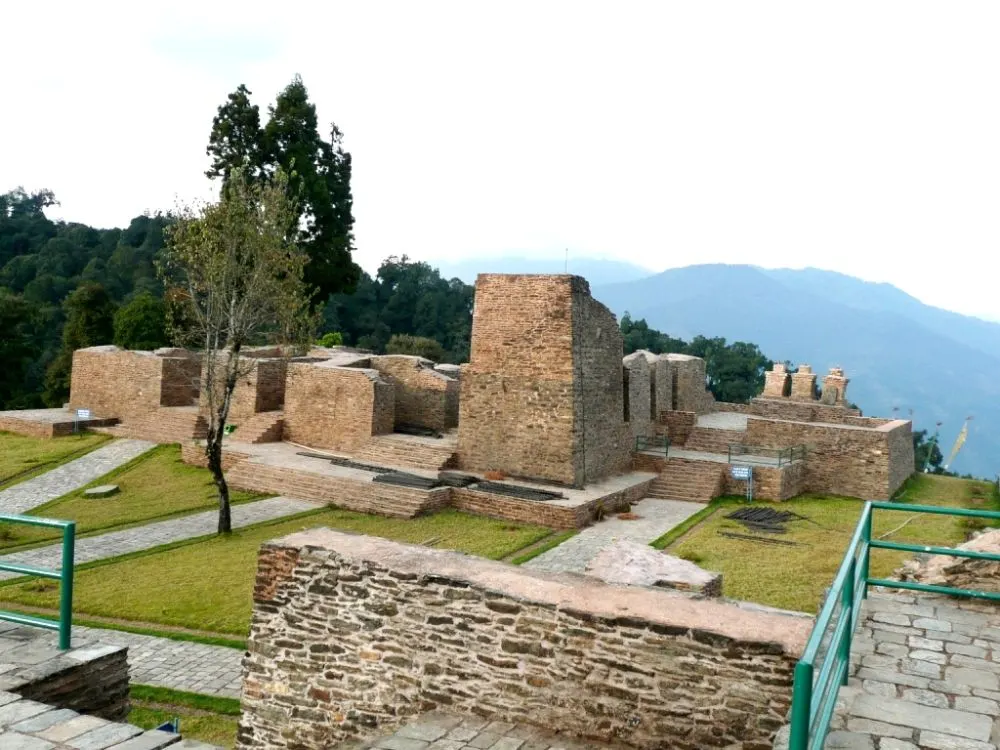
Pelling is a quaint town in West Sikkim at 7,200 ft, offering some of the best views of Kanchenjunga in all of India. It’s surrounded by pine forests, waterfalls, and Tibetan-style monasteries. Ancient sites like the Pemayangtse Monastery, Sanga Choeling, and the Rabdentse Ruins (an old Sikkimese fort) are nearby. Pelling is truly a must visit Sikkim destination for mountain lovers.
- Nearby Attractions: Pemayangtse Monastery, Khecheopalri Lake (a sacred wish-fulfilling lake), Rabdentse Ruins, and Kanchenjunga Falls.
- Famous Food to Eat: Tibetan thukpa and momos, plus local millet sael roti pancakes and tea from nearby Temi Tea Garden.
- Best Time to Visit: April–June and October–November, when the weather is pleasant and Himalayan views are at their clearest.
For example, the JustWravel Sikkim Tour Package (5 nights/6 days covering Gangtok and Pelling) is a hassle-free way to cover many of these sights – check it out if you want an easy itinerary!
Yuksom

Yuksom, meaning “meeting place of the three lamas,” was Sikkim’s first capital and the starting point for treks into Kanchenjunga. It is a tiny, tranquil village surrounded by dense forests and meadows. Dubdi, one of the oldest monasteries in Sikkim, sits nearby. In fact, it is “one amongst the most peaceful and serene places to visit in Sikkim” – ideal for history and nature lovers alike.
- Nearby Attractions: Dubdi Monastery, Norbugang Chorten, and the headwaters of Khangchendzonga (trekking trails like Dzongri and Goechala begin here).
- Famous Food to Eat: Traditional kinema curry (fermented soybean) and hearty millet thupka, reflecting the Lepcha-Nepali heritage of the region.
- Best Time to Visit: March–June and September–October, when the weather is mild and skies are clear.
Lachung

Lachung is a remote mountain village in North Sikkim, perched at 8,610 ft. Its pristine, snowy environment has earned it praise as “one of the most scenic as well as charming tourist places in Sikkim”. It serves as the gateway to the nearby Yumthang Valley and hot springs, with snow and rhododendrons covering the landscape. The peaceful riverside setting and apple orchards here are a photographer’s dream.
- Nearby Attractions: Yumthang Valley (the flower meadows), Shingba Rhododendron Sanctuary (hiking among blooms), Naga Falls, and the quaint Lachung Monastery.
- Famous Food to Eat: Steamy thukpa and steamed momos, and local corn- or millet-based pancakes (laphing).
- Best Time to Visit: April–June (flower season) and September–October. Monsoons (July–August) can cause landslides, and winter brings heavy snow closures.
Lachen

Lachen is a quiet village near Lachung known for its rustic beauty and high-altitude trek routes. Wooden farmhouses, the Lachen Chu River, and distant snowy peaks create a postcard-perfect scene. Lachen is often visited en route to Chopta Valley and Gurudongmar Lake, offering peaceful stays and cultural experiences.
- Nearby Attractions: Gurudongmar Lake (access road starts here), Chopta Valley (glacial meadows), and the quaint village’s own Lachen Monastery.
- Famous Food to Eat: Simple dal-bhat meals (rice and lentils), warm noodle soups, and local barley chang brew.
- Best Time to Visit: May–September, when the roads to Gurudongmar are open (Chopta Valley is lush). Winter roads are closed by snow.
Ravangla

Ravangla is a charming hill town in South Sikkim between the peaks Tendong and Maenam. It is located at the height of 7,000 ft. It is noted as a bird-watcher’s paradise, with many rare birds flitting through the forests. The town’s highlight is a gigantic golden Buddha statue on Ralang Hill, which stands serenely above the valley. Ravangla offers expansive views of the higher Himalayas and a taste of Sikkim’s peaceful countryside.
- Nearby Attractions: Buddha Park (home to the giant Samdruptse Buddha statue), Ralang Monastery, Maenam Wildlife Sanctuary, and the nearby Temi Tea Garden
- Famous Food to Eat: Traditional gundruk curry (fermented greens) and chiura (beaten rice) snacks, plus local honey and freshly brewed tea.
- Best Time to Visit: April – June (when rhododendrons bloom) and September – November (crisp clear weather).
Rumtek Monastery
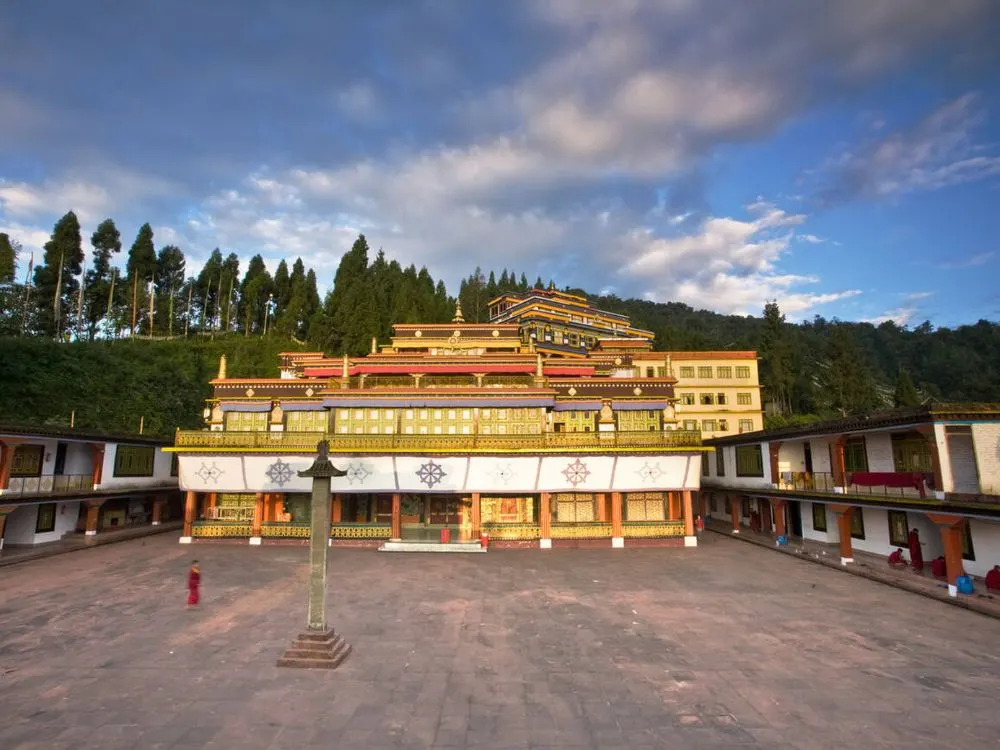
Rumtek Monastery, near Gangtok, is one of Sikkim’s largest and most important Buddhist monasteries. Also known as the Dharma Chakra Centre, it is a fine example of Tibetan architecture. Inside, devotees spin prayer wheels and admire thangka paintings and a golden stupa. Even if you’re not Buddhist, the serene ambiance and mountain backdrop make Rumtek a memorable cultural experience.
- Nearby Attractions: Namgyal Institute of Tibetology (with its Tibetan art museum), the Himalayan Zoological Park (home to snow leopards and red pandas), and Gangtok’s lively city center.
- Famous Food to Eat: Tea-house specialties like tingmo (steamed Tibetan bread) and noodle soups enjoyed by the monks, and bakery momos from local vendors.
- Best Time to Visit: The monastery is open year-round (9am–5pm). Spring and autumn days are best for sightseeing, though festival days here (April or August) are also very special.
Yumthang Valley

Yumthang Valley is often called the “Valley of Flowers” of Sikkim. At 11,800 ft, its wide meadows bloom with rhododendrons, primulas, poppies and more – especially from late April to June. The banks of the Lachung Chu river and nearby hot springs add to the valley’s beauty. In winter, a blanket of snow turns Yumthang into a true winter wonderland.
- Nearby Attractions: Zero Point (an even higher alpine meadow, open April–Nov), the village of Lachung, and hot springs where you can soak under starry skies.
- Famous Food to Eat: Homestays often serve chaang (millet brew) and simple noodle stews. Don’t miss homemade rice pudding made by the villagers.
- Best Time to Visit: Mid-April to June for flowers. The valley is closed December–March due to heavy snow.
Zuluk

Zuluk is a quaint village perched at about 10,000 ft on the ancient Silk Route. It feels frozen in time, with old gravel roads and panoramic Himalayan views. The journey to Zuluk – ascending 32 hairpin bends – is legendary. Nearby Thambi View Point offers an astonishing view of Kanchenjunga at sunrise. Zuluk’s high-altitude lakes, including the sacred Kupup (Elephant) Lake, add to its mystique.
- Nearby Attractions: Kupup Lake (Elephant Lake), Thambi View Point (for sunrise views), and the Lal Market viewpoint. Lower down, the town of Rhenock offers gentle forest walks.
- Famous Food to Eat: Homestay meals of dal-bhat (lentils with rice), vegetable curries, and steaming momos – basic but satisfying. Locals also brew chiang (rice beer).
- Best Time to Visit: August–September (summer flowers) and January–April. Road conditions can vary, so always check local advice.
Gurudongmar Lake

Gurudongmar Lake is one of the highest freshwater lakes in the world, at 17,800 ft. Surrounded by snow-capped peaks, its turquoise water is said to have a section that never freezes, believed to be blessed. The lake is sacred to Buddhists, Sikhs, and Hindus alike. Visiting here is like stepping into another realm – just be prepared for the thin air and icy winds.
- Nearby Attractions: Chopta Valley (on the way to Gurudongmar), Thangu Valley, and Tso Lhamo Lake (another high plateau lake nearby).
- Famous Food to Eat: At these altitudes, cuisine is simple: millet rotis, yak meat stews, and hot soups. Bring plenty of snacks, as facilities are very basic.
- Best Time to Visit: May and October (just before/after winter) when the road is passable. The lake freezes solid in winter (December–February) and roads close.
Namchi

Namchi (“top of the sky” in the local language) is the capital of South Sikkim and a vibrant cultural hub. It’s known for a giant hilltop Samdruptse (Buddha) statue and an enormous Shiva statue, attracting pilgrims and tourists alike. Nearby Char Dham (a Hindu temple complex) and Tendong Hill add to the spiritual atmosphere. The town overlooks tea gardens and forested hills, giving lovely panoramic views.
- Nearby Attractions: Samdruptse (accessible by ropeway), Char Dham temple complex, Tendong Hill (hiking), and the Temi Tea Garden (Sikkim’s famous tea estate).
- Famous Food to Eat: Traditional Sikkimese thali with pork curry or dal, plus sweet treats made from locally grown rice and millet.
- Best Time to Visit: March–October for pleasant weather and temple festivals. Winter can be chilly but remains accessible.
What to Pack for Sikkim?
- Packing for Sikkim depends on when and where you’re visiting. Whether you’re heading to Gangtok or exploring the higher altitudes of North Sikkim, being well-prepared will make your trip smoother.
- Start with layered clothing. Even in summer, mornings and evenings in places like Pelling or Lachung can get chilly. Carry a warm jacket, thermal innerwear, and a windcheater. If you’re visiting during winter (November to February), pack heavy woollens, gloves, and a woollen cap.
- Always include a raincoat or poncho in your bag, especially if you are travelling in monsoon or early summer. Mountain weather is unpredictable, and it can rain any time.
- Comfortable walking shoes are a must – ideally waterproof with good grip. Carry sunglasses, sunscreen, lip balm, and moisturizer to protect against harsh sun and dry air.
- Do not forget a torchlight, power bank, and first-aid kit with basic medicines. In North Sikkim, electricity and mobile network can be unreliable.
- Lastly, pack some snacks, energy bars, and water bottles, especially for long drives or high-altitude areas like Gurudongmar Lake where shops are sparse.
Travel Tips for Visiting Sikkim
Travelling in Sikkim is rewarding, but being prepared makes a big difference. These essential travel tips can help:
- Always carry government-issued ID cards for obtaining travel permits.
- Permits are required for places like Nathula Pass and Gurudongmar Lake.
- Stay hydrated and take it slow to avoid altitude sickness in high-altitude regions.
- Avoid alcohol in places above 10,000 feet to prevent dehydration.
- Carry enough cash. ATMs are limited outside Gangtok and Pelling.
- Respect local customs. Remove shoes in monasteries and ask before clicking photos.
- Do not touch or tamper with prayer flags and prayer wheels.
- Download offline maps and note down emergency contacts in case of no signal.
- Travel with registered taxis or trusted tour operators for remote areas.
- Drive carefully. Roads are winding, narrow, and often foggy.
- Pack eco-friendly toiletries and avoid littering to support Sikkim’s clean environment.
FAQs (Frequently Asked Questions)
1. Is a permit required to visit Nathula Pass?
Yes, Indian citizens need a special permit to visit Nathula Pass. It is issued by the tourism department and can be arranged through registered travel agents in Gangtok with valid ID proof.
2. Can I visit North Sikkim in winter?
Yes, but travel is highly weather-dependent. Heavy snowfall often blocks roads to places like Gurudongmar Lake and Yumthang Valley. Always check with local tour operators for real-time conditions before planning a winter trip.
3. What is the best month to see rhododendrons?
The best time to see rhododendrons bloom in Sikkim is from mid-April to early June. Yumthang Valley and Barsey Rhododendron Sanctuary become vibrant with colorful flowers during this stunning natural display.
4. Is Sikkim safe for solo female travelers?
Yes, Sikkim is considered one of the safest states in India for solo female travelers. Locals are respectful and helpful. Still, it is wise to use registered taxis and avoid isolated areas at night.
5. Do I need to acclimatize before visiting high-altitude places in Sikkim?
Yes, it is essential. Spend at least one day in Gangtok or Lachung before heading to higher spots like Gurudongmar Lake. This helps your body adjust and reduces the risk of altitude sickness.
Ready to plan? Don’t miss out on the JustWravel Sikkim Tour Package (5N/6D Gangtok-Pelling tour) – it’s a hassle-free way to cover many of these highlights on your North East India travel adventure!
Exploring all these places to visit in Sikkim will ensure you experience the very best of Sikkim in 2025. Each of the Sikkim tourist places listed above has its own unique charm, from monasteries to mountain lakes, making each moment truly memorable.


