

Most travellers picture Ladakh as a cold desert of brown mountains, blue lakes and snow passes. But for a few weeks every spring, the valleys turn soft white and pink as thousands of apricot trees bloom against bare Himalayan slopes. This is the apricot blossom in Ladakh, and it is one of the most photogenic and least crowded experiences in India.
If you are planning Ladakh in spring 2027, this guide covers when the apricot blossom happens, the best villages to visit (including Turtuk, Kargil and the Aryan Valley), what the Ladakh weather in March and April is really like, whether Leh Ladakh is open, and how to plan your trip.
Apricot blossom in Ladakh usually runs from late March to late April, with the peak in the first half of April in most villages. Exact timing shifts every year with the winter snow and temperature.
When Is the Apricot Blossom in Ladakh?
The blossom depends on altitude and how long winter lingers, so it moves up the valleys over several weeks.
| Area | Typical blossom window | Notes |
| Lower Indus valley (Khaltse, Skurbuchan, Achinathang) | Late March to early April | Earliest bloom, lower altitude |
| Aryan Valley (Dah, Hanu, Garkon, Darchik) | Early to mid April | Popular with photographers |
| Kargil district orchards | Early to mid April | Kargil is a major apricot-growing area |
| Turtuk (Nubra Valley) | Roughly April | Often one of the later and most scenic blooms |
| Leh town and nearby villages | Mid to late April | Higher and colder, so later |
Planning tip: Treat these as windows, not fixed dates. For 2027, plan your trip for the first two to three weeks of April and stay flexible by 3 to 5 days either way. Ask your homestay host a week before you travel whether the trees are in bloom.
Apricot Blossom Festival Ladakh 2027 Dates
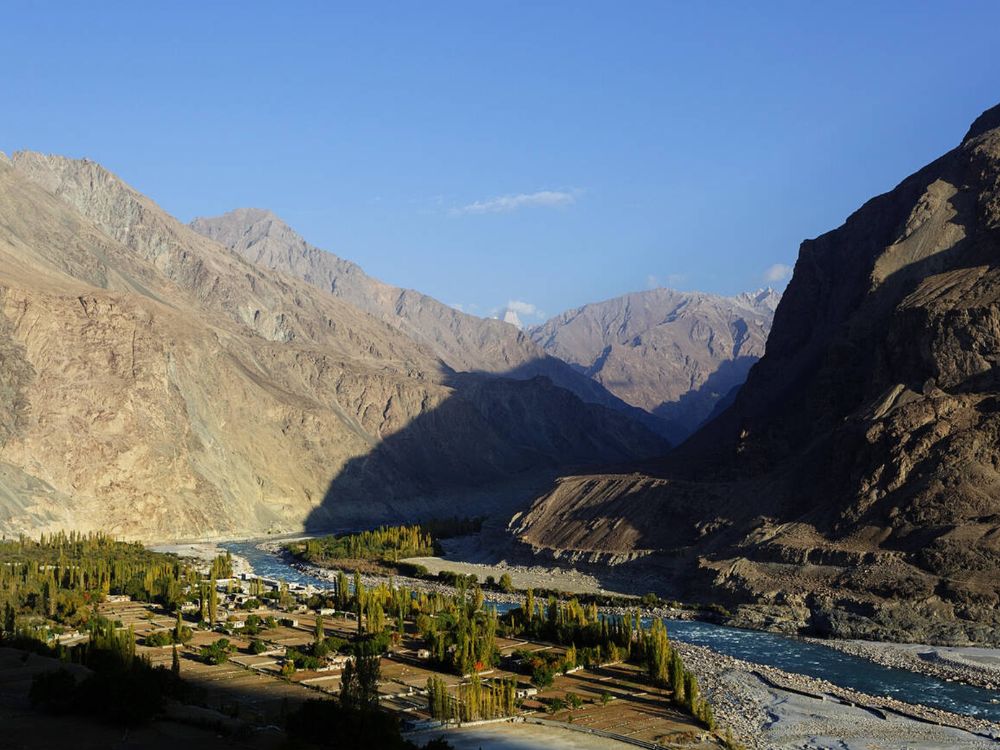
Official dates for the 2027 festival have not been announced yet. The festival is organised by the Ladakh Tourism Department, which usually confirms the schedule only a few weeks before it begins. Until then, past editions give a reliable guide: the festival has run in April, across several villages in Leh and Kargil districts, with each village hosting its programme on a different day as the blossom peaks.
Here is how recent editions have run:
- 2026: 8 to 16 April, across the Kargil and Leh districts, as reported by the media.
- Earlier edition on the Government of India’s Utsav portal: 4 to 17 April, with village-wise days in Leh: Lhardo (4 April), Saspol (5 April), Udmaroo (10 April), Sumoor (11 April) and Takmachik (13 April).
What this means for your 2027 plan: expect the festival in early to mid April 2027, most likely within a window of about 5 to 20 April. Treat this as a planning range, not a confirmed schedule.
How to confirm the exact dates:
- Follow the official Ladakh Tourism Department and the Leh and Kargil district administration pages and social media accounts from February 2027.
- Ask your homestay or tour operator to confirm the village-wise dates just before you book non-refundable travel.
- Check the Utsav portal listing, which the Ministry of Culture updates for festivals across India.
Apricot in Ladakh: The Story of Chuli and Raktsey Karpo
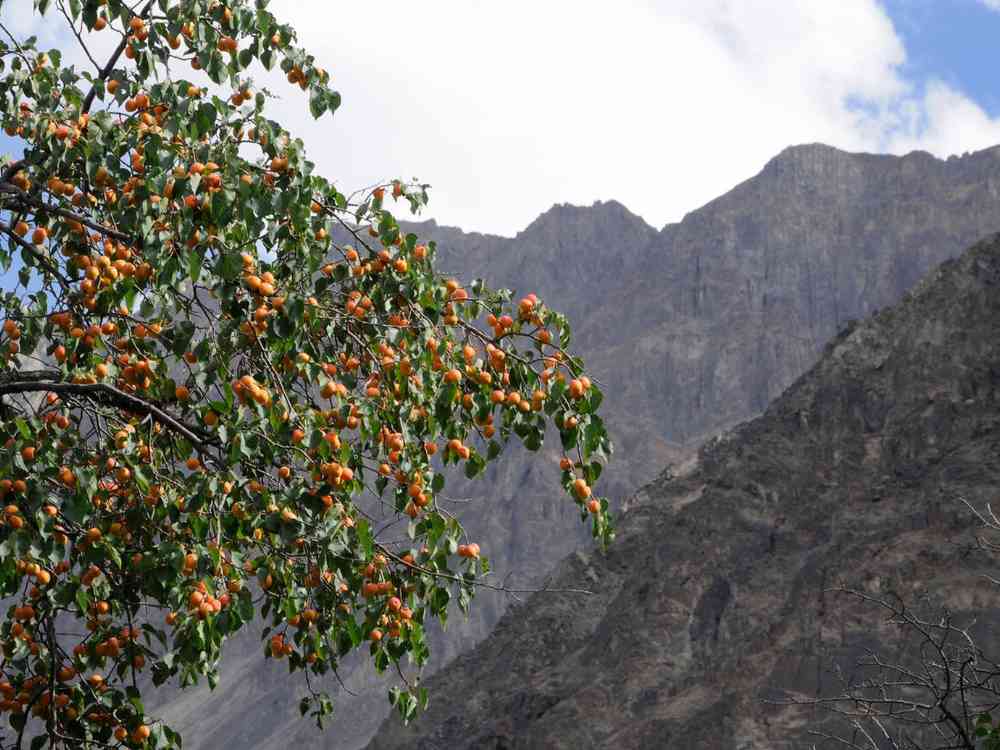
In Turtuk and many other Ladakhi villages, an apricot tree stands in the courtyard of almost every home. Families eat the sweet fruit fresh, dry it in the sun for winter, or turn it into jam and simple desserts. Locals call the apricot chuli, and it has been part of Ladakhi food and daily life for generations.
The best-known local variety is Raktsey Karpo. Researchers confirmed in 2013 that it grows only in Ladakh, which is why the fruit now draws interest well beyond the region. Raktsey Karpo is the name of the variety, while chuli is the everyday word for the fruit.
The spring celebration built around the bloom is called the Apricot Blossom Festival, or Apricot Fest, and locals know it as Chuli Mentok (also spelled Chuli Mendok), meaning apricot flower. As Ladakhi apricots gain recognition in India and abroad, they are also helping to bring visitors to villages beyond Leh.
Best Places to See Apricot Blossom in Ladakh
1. Apricot Blossom in Turtuk
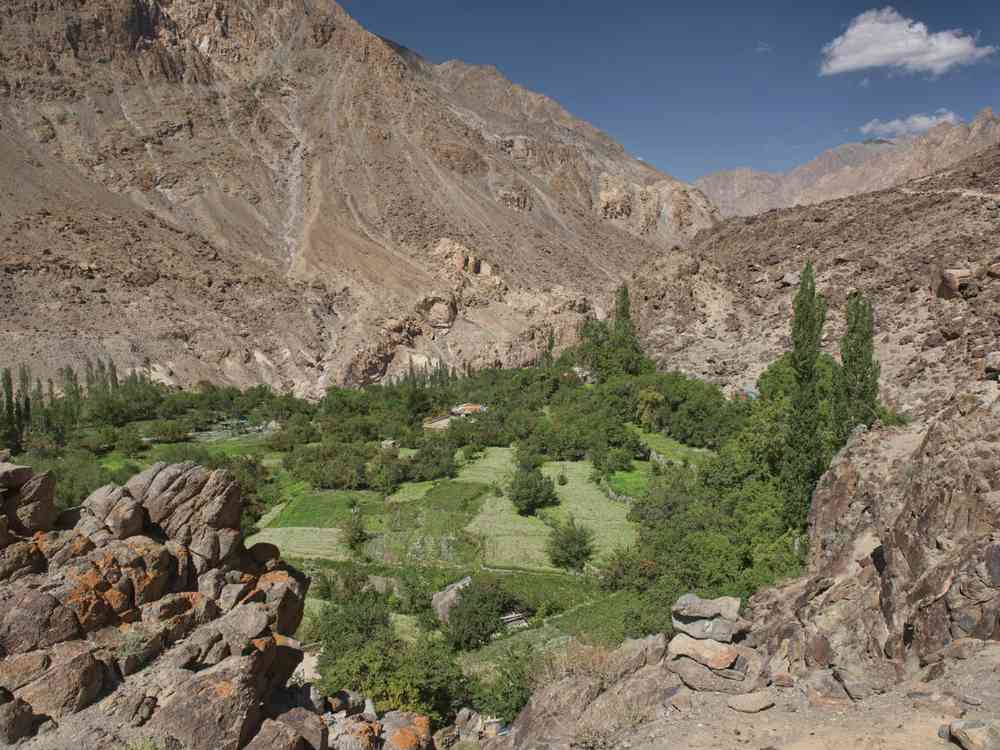
Turtuk, the last village in Nubra Valley near the Line of Control, is the most searched apricot blossom destination in Ladakh, and for good reason. Stone houses, narrow lanes, flowing water channels and apricot orchards make it feel like a different world. Turtuk has a Balti culture, and it came under Indian administration only in 1971, which adds to its character. Apricot Blossom in Turtuk Village is one of the best experiences to have in a lifetime, where delicate pink and white blooms transform Ladakh’s rugged landscape into a springtime paradise.
What to do in Turtuk in April:
- Walk through the apricot orchards in Turtuk along the village lanes in the morning light
- Visit the Balti Heritage House and the small museum.
- Sample apricot-based food and local Balti dishes at homestays
- Look for the viewpoint above the village for photos of the valley
Getting there: Turtuk is about 200 km from Leh via Khardung La and Hunder. Allow a full day each way, or break the trip at Diskit or Hunder.
2. Kargil Apricot Blossom
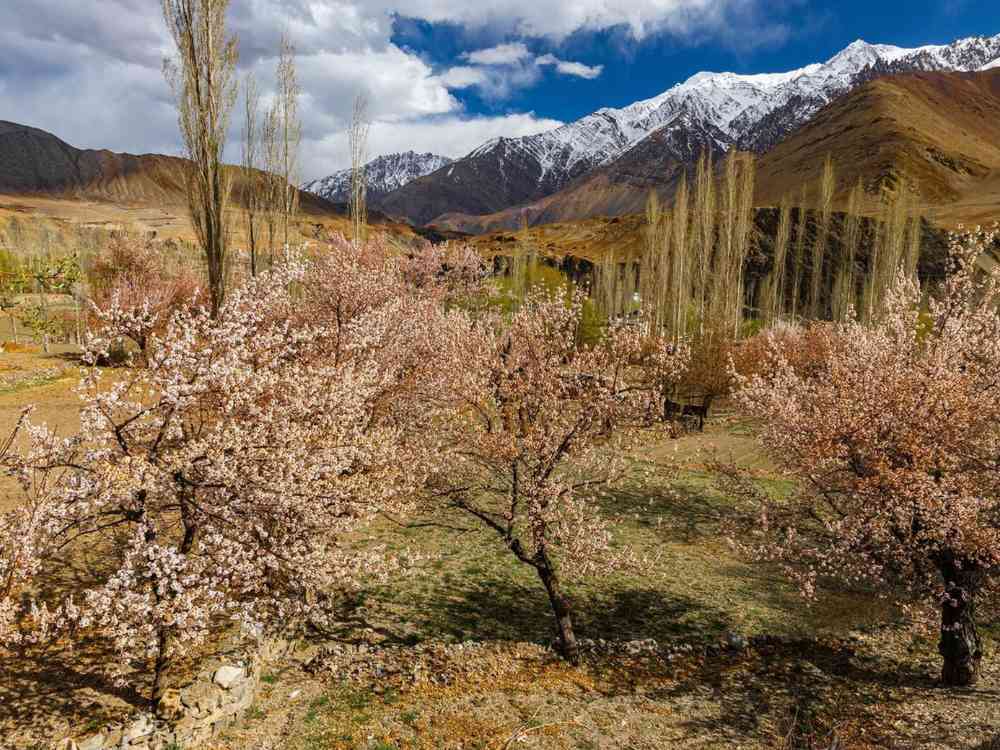
The apricot blossom in Kargil season is a lower-altitude, earlier-blooming alternative. Kargil district is among the region’s most important apricot-growing areas, and villages around Kargil, Sankoo and Mulbekh offer blossom views without Nubra’s long drives.
3. Aryan Valley (Dah, Hanu, Garkon, Darchik)
Often called the apricot valley of Ladakh by travellers, the Aryan Valley villages are known for their orchards, distinctive culture and traditional dress. Early April is a strong time to visit, when blossom and fresh valley greenery start to overlap.
4. Leh and Nearby Villages
If you are based in Leh, you can still catch the bloom in the lower villages along the Indus. Combine it with a visit to Alchi, Basgo or Khaltse for monasteries and blossom in one day.
5. Sham Valley (Alchi, Likir, Saspol)
Sham Valley, west of Leh along the Indus, is the easiest place to see apricot blossom without a long drive. Villages such as Alchi, Likir and Saspol have orchards, and Saspol and Takmachik have appeared in past festival schedules. Most villages are 1.5 to 3 hours from Leh, so you can do a day trip.
Combine the blossom with Alchi Monastery, Likir Monastery and the Basgo ruins. Sham is also lower than Nubra, so the bloom can start a little earlier, and the roads are usually easier in early spring.
Note: Check which villages are hosting the festival in 2027 once the schedule is out.
Ladakh Weather in March and April

Spring in Ladakh looks gentle in photos, but the weather is still firmly wintry. The sun is bright and the sky is a deep blue, yet the air stays sharp, and the pink and white blossoms bloom while snow still sits on the peaks above the villages. Knowing what to expect in March and April will help you pack well and choose the right dates for your apricot blossom trip.
- March: Leh daytime temperatures are cold, often single digits Celsius, with nights well below freezing. Snow is still common at higher elevations.
- April: Days become milder and the blossom arrives, but nights are still very cold, especially in Leh and Nubra.
- Sun and wind: Strong UV and cold wind make a major difference at altitude. Layering matters more than one heavy jacket.
What to pack: thermal innerwear, a fleece, a down jacket, a windproof outer layer, woollen socks, gloves, a cap, sunglasses, sunscreen and lip balm. A good travel camera or phone with extra batteries is useful, as cold drains batteries quickly.
Is March a Good Time to Visit Leh Ladakh?
Yes, Leh is open in March, and you can reach it easily by air. But March is still winter in Ladakh. It is cold, many roads and remote stays are not yet ready for tourists, and the apricot blossom has not arrived in most villages. If your main goal is to see the blossom, April is the better month.
How to Reach Leh in March
Daily flights from Delhi and other cities connect to Leh all year, and this is the most reliable way to travel in March. By road, the Manali–Leh highway stays closed through winter and usually opens for traffic only around May or June. The Srinagar–Leh route over Zoji La can open earlier, often late March or April, but the date depends on snow clearance and can change from year to year. Always check road status with local authorities before planning a road trip.
What to Expect on the Ground
- Weather: Days are cold and sunny, and nights drop well below freezing. Higher areas such as Khardung La and Chang La may still have heavy snow.
- Stays and food: Hotels and cafes in Leh town mostly stay open, but many guesthouses and homestays in Nubra, Turtuk and Pangong reopen only in April. Confirm every booking directly.
- Altitude: Leh is at about 3,500 m, so give yourself 24 to 48 hours to rest before going higher.
Ladakh in Spring: What Else to See Along with the Blossom

- Pangong Lake (check road and permit status for the season)
- Hunder sand dunes and Diskit Monastery in Nubra
- Alchi Monastery and Lamayuru
- Local markets, cafes and homestay dining in Leh
Spring also means fewer tourists, softer light and lower prices compared with peak summer.
Permits for Turtuk and Nubra

Indian travellers need an Inner Line Permit (ILP) to visit Nubra, Turtuk and some other areas. Foreign nationals need a Protected Area Permit (PAP) and must usually travel through a registered agent. Permits are processed online through the Leh administration, and rules and fees change, so check the official portal and carry printed copies and ID.
8-Day Ladakh Apricot Blossom Package Itinerary
- Day 1: Arrive in Leh.
Transfer to your hotel and rest to acclimatise at 3,500 m, followed by a trip briefing in the evening.
- Day 2: Leh to Kargil via Aryan Valley (240 km).
Drive along the Indus to Dha and Hanu, the Brokpa villages known for their apricot orchards, then continue to Kargil.
- Day 3: Kargil to Leh via Lamayuru (220 km).
Cross Namika La and Fotu La, stop at the Moonland viewpoint and Sangam, then visit Gurudwara Pathar Sahib and Shanti Stupa.
- Day 4: Leh to Nubra Valley via Khardung La (160 km).
Cross Khardung La (18,380 ft) to reach the Hunder sand dunes, with an optional Bactrian camel ride.
- Day 5: Nubra Valley to Turtuk (90 km each way).
A full day among Turtuk’s apricot orchards, Balti homes and riverside lanes, then back to Nubra.
- Day 6: Nubra Valley to Pangong Lake (160 km).
Take the Shyok route, visit Diskit Monastery and spend the night by the lake. Carry power banks, as there is often no electricity at night.
- Day 7: Pangong Lake to Leh via Chang La (160 km).
Cross Chang La (17,800 ft), with stops at Shey Palace and Thiksey Monastery as time permits.
- Day 8: Depart from Leh.
Check out after breakfast and fly home.
Why this route works: it covers the Aryan Valley and Turtuk, two of the best apricot blossom areas, in one loop, and adds Nubra and Pangong for the classic Ladakh sights. Swap the order of days if the blossom peaks earlier in one valley, and keep one spare day in April for weather or road delays.
Apricot Season in India: Blossom, Harvest and Varieties
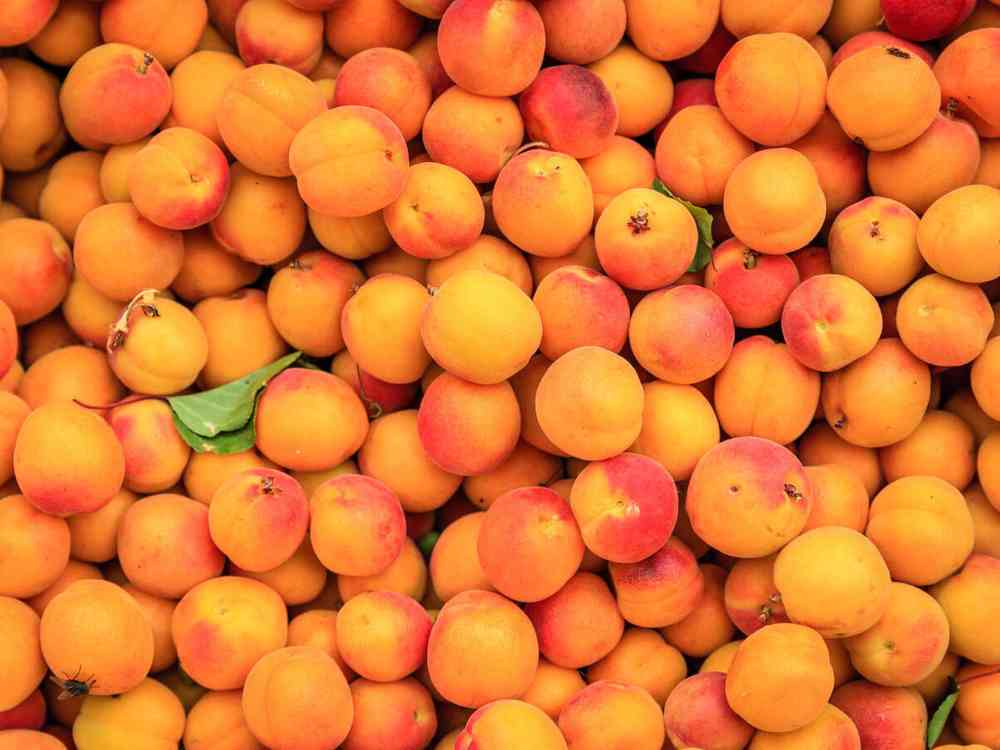
Blossom is only half the apricot story. The apricot season in India has two distinct highlights:
- Blossom: Late March to April in Ladakh, with similar spring blooms in parts of Jammu and Kashmir, Himachal Pradesh and Uttarakhand at different altitudes.
- Harvest: Fruit ripens around July and August in Ladakh, which is the time to try fresh and sun-dried apricots.
Apricot varieties in India and Ladakh: Ladakh is known for traditional varieties such as Raktsey Karpo, a white-kernel apricot that received a Geographical Indication (GI) tag, along with local types such as Halman and Margulam. Varieties differ in sweetness, size and drying quality. Dried apricots, apricot oil, jam and kernels are popular local products.
Practical Tips for Apricot Blossom Ladakh Trip
If you are planning a trip to Ladakh during the apricot blossom season, keep these practical tips in mind before taking off:
- Book early, but stay flexible. Homestays in Turtuk are small and fill quickly in April.
- Aim for the first half of April, and extend your stay by a day if you can, to hedge against an early or late bloom.
- Acclimatise properly before going to Nubra.
- Check road status for Khardung La and Zoji La before you leave.
- Carry cash. ATMs and digital payments can be unreliable in remote villages.
- Respect orchards and homes. Do not pick blossoms or fruit, and ask before photographing people.
- Go early morning for the softest light and fewer visitors.
Apricot blossom in Ladakh is a short, beautiful window when the high desert softens into pink and white. Whether you choose the village lanes of Turtuk, the orchards of Kargil or the Aryan Valley, a well-timed April trip in 2027 offers one of the most peaceful ways to experience Ladakh in spring. Plan your dates around the first half of April, keep your itinerary flexible and confirm roads, permits and stays before you travel.
Planning a springtime getaway to Ladakh? Book your Apricot Blossom Ladakh Trip in 2027 with JustWravel and experience the authentic cultural experiences, blooming orchards and charming villages.
FAQs
The apricot blossom in Ladakh in 2027 is expected from late March to early May, depending on altitude. Lower valleys such as Kargil and Sham bloom first, higher villages bloom later. The approximate peak window is 4 to 17 April. Exact timing shifts yearly with winter snow and spring temperatures.
Turtuk and the Aryan Valley are the most popular, while Kargil and the lower Indus villages bloom earlier.
It depends on what you want. March suits travellers who prefer quiet streets, low prices, monasteries and frozen winter landscapes. It does not suit those who want apricot blossom, open mountain passes or a full range of tourist services. For blossom, plan your trip for the first half of April and keep March as a backup only for Leh and the lower villages.
Yes. Indian nationals need an Inner Line Permit, and foreign nationals need a Protected Area Permit.
No official dates are confirmed yet. Check official Ladakh tourism updates closer to the season.
Yes, Leh is open in March, and you can reach it easily by air. But March is still winter in Ladakh. It is cold, many roads and remote stays are not yet ready for tourists, and the apricot blossom has not arrived in most villages. If your main goal is to see the blossom, April is the better month.


