


Mussoorie, often hailed as the “Queen of Hills,” is gearing up for a significant change in its approach to tourism. Facing an alarming surge in visitor numbers and subsequent chaos, Uttarakhand authorities are set to introduce a mandatory pre-registration system for tourists during peak seasons.
The move comes as Mussoorie’s tourist footfall nearly doubled in just two years, soaring from over 11 lakh visitors in 2022 to more than 21 lakh in 2024. This unprecedented influx has led to severe overcrowding and debilitating traffic jams, particularly on key stretches like Gandhi Chowk to Mall Road, where congestion lasting several hours has become a weekend norm. A tragic incident in June, where a Delhi tourist reportedly died after being stuck in traffic and unable to receive timely medical aid, has underscored the urgency of these measures.
Secretary (Tourism) Dhiraj Singh Garbyal confirmed that the pre-registration system will be implemented strategically, focusing on peak periods such as summer and winter vacations, as well as long weekends. “The problem of overcrowding and long traffic jams is only during the peak season, so there’s no point having a year-round pre-registration system,” Garbyal stated.
Here’s how the new system will work
- Online Registration: Tourists will be required to fill out an online pre-registration form.
- Data Collection: This form will collect essential details including the number of tourists, vehicle information, contact details, trip duration, and accommodation specifics.
- OTP-Based Verification: Indian tourists will receive an OTP (One-Time Password) on their phones for verification, while international visitors will receive it via email.
- QR Code for Entry: Upon successful registration, tourists will receive a unique QR code.
- Checkpoints & Verification: This QR code must be presented at three designated entry points: Kimadi, Kempty Fall, and Kuthal Gate.
- ANPR System: Authorities plan to deploy Automated Number Plate Recognition (ANPR) systems at these gates to verify QR codes and manage vehicle inflow.
- Entry Denial: Tourists without a valid QR code may be denied entry to Mussoorie once the system is fully operational.
Cameras will also be installed at the three entry points to monitor and estimate real-time tourist and vehicle numbers, providing crucial data for effective crowd management. This proactive step aims to alleviate congestion, ensure a smoother experience for visitors, and ultimately, safeguard the fragile ecosystem and charm of this beloved hill station.
Visit Mussoorie with JustWravel: 3 Night 4 Days Mussoorie Dhanaulti Tour Package
When to Visit

- Peak Season (March to June): Pleasant weather, ideal for sightseeing and outdoor activities. Expect crowds.
- Monsoon (July to September): Lush green landscapes, misty views, and fewer crowds, but also prone to landslides. For those seeking solitude.
- Winter (October to February): Chilly, with snowfall common from December to February, transforming the town into a winter wonderland. Perfect for snow lovers and romantic getaways.
How to Reach
- By Air: The nearest airport is Jolly Grant Airport (DED) in Dehradun, approximately 54 km away. Taxis are readily available from the airport.
- By Train: The nearest railway station is Dehradun Railway Station (DDN), the Dehradun to Mussoorie distance is about 34 km. It’s well-connected to major Indian cities. Taxis and buses ply regularly between Dehradun and Mussoorie.
- By Road: Mussoorie is well-connected by road. Buses and private taxis are available from Delhi (approx. 290 km) and other nearby cities. The drive itself offers scenic views.
Places to visit in Mussoorie
- Stroll on Mall Road: The heart of Mussoorie, bustling with shops, cafes, and vendors. It’s perfect for a leisurely walk, shopping for souvenirs, and enjoying local street food.
- Cable Car Ride to Gun Hill: Take a thrilling cable car ride to Gun Hill, the second-highest peak in Mussoorie. Enjoy panoramic views of the Himalayas and the Doon Valley.
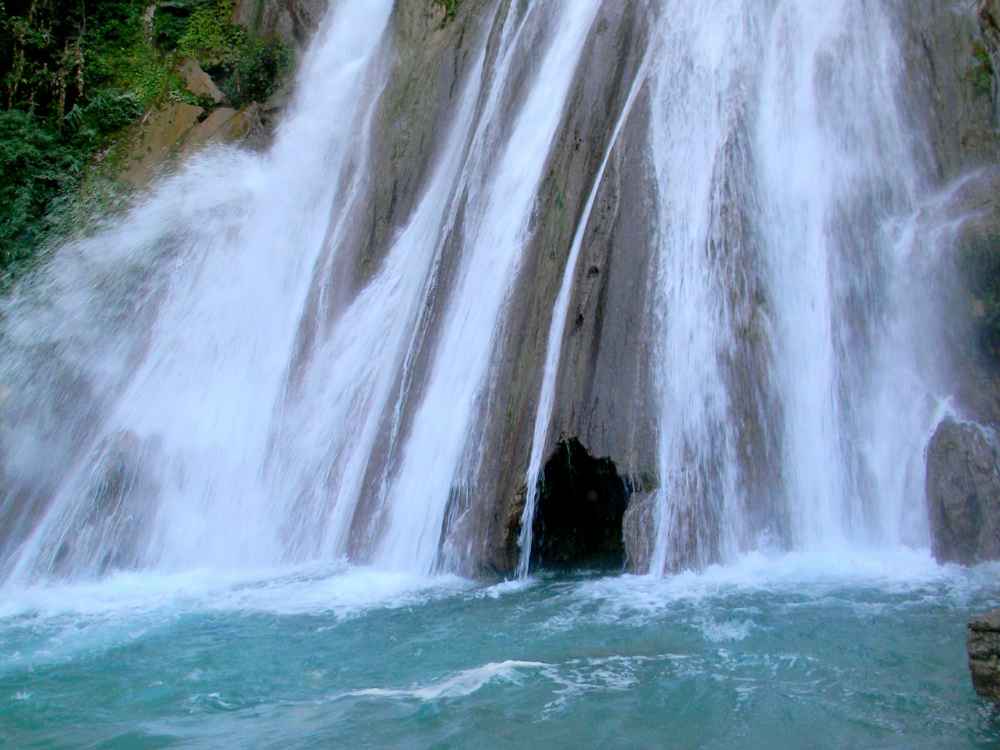
- Visit Kempty Fall Mussoorie: A popular cascading waterfall, perfect for picnics and splashing around. While often crowded, it’s a classic Mussoorie experience.
- Explore Lal Tibba: The highest point in Mussoorie, offering breathtaking views of the greater Himalayan ranges. Use the Japanese telescope for a closer look at the peaks.
- Walk on Camel’s Back Road: A serene, picturesque stretch offering views of a rock formation resembling a camel’s hump. Ideal for a quiet walk, especially during sunrise or sunset.
- Hike up to George Everest: Visit the former residence and laboratory of Sir George Everest, the surveyor who measured the world’s highest peak. Offers stunning views and a glimpse into history.
- Hike to Cloud’s End: For nature lovers, this tranquil spot marks the end of Mussoorie, surrounded by dense deodar forests. It’s perfect for solitude and offers lovely views.
- Spend Time at Company Garden: A beautifully maintained garden with a waterfall, paddle boating, and various flower beds, great for families.
- Find Serenity at Dalai Hill: A peaceful spot near Happy Valley, adorned with Buddhist prayer flags and a Buddha statue. It offers tranquil vibes and stunning views of the Garhwal Himalayan range.
- Venture to Landour: Just a short distance from Mussoorie, Landour offers a quieter, old-world charm with colonial architecture, charming cafes (like Char Dukaan and Landour Bakehouse), and a sense of peaceful retreat.
Mussoorie promises a charming hill station getaway, and with the new pre-registration system, authorities aim to ensure a smoother and more enjoyable visit for all its guests.
Explore Beyond: 10 Best Weekend Getaways From Delhi
Mussoorie Registration FAQs
Mussoorie is famous for being the “Queen of Hills,” renowned for its picturesque green hills, diverse flora and fauna, and stunning views of the snow-capped Himalayan ranges and the Doon Valley. It’s a popular retreat from the plains’ heat, known for its bustling Mall Road, iconic Kempty Falls, and the serene, old-world charm of nearby Landour.
Yes, Mussoorie weather experiences snowfall during the winter months, typically from late December to mid-February. January is usually the peak month for snow, transforming the town into a beautiful white landscape, especially at higher points like Lal Tibba and Gun Hill.
Avoid Mussoorie during peak seasons like May-June and long weekends if you dislike large crowds and severe traffic jams, as visitor numbers have significantly increased. Also, if you prefer clear skies and uninterrupted outdoor activities, the heavy monsoon months (July-August) might not be ideal due to constant rain and potential landslides.
Yes, 2 days can be enough for Mussoorie to cover its main attractions like Mall Road, Gun Hill, Kempty Fall Mussoorie, and Lal Tibba. However, to truly soak in the ambiance and explore nearby Landour or enjoy a more relaxed pace, 3-4 days would be more ideal.
Mussoorie experiences a varied climate. Summers (March-June) are pleasant and warm, perfect for sightseeing. Monsoons (July-September) bring heavy rainfall, creating lush green, misty landscapes. Winters (October-February) are chilly, often with snowfall from December to February, transforming it into a snowy wonderland.
Let JustWravel plan your trip to Uttarakhand: Uttarakhand Tour Package