


Have you ever gone on a trek just to witness the majestic views of Nanda Devi? Or found yourself staring at a photo of this timeless beauty, wishing that one day you could stand there yourself? If yes, then it’s time to turn that dream into reality.
Nanda Devi, the second-highest peak in India, is reopening for climbing expeditions after over 40 years. The Uttarakhand government has launched a tourism initiative that includes reopening the site. The decision to close the site in 1983 was made due to environmental worries and issues stemming from a failed nuclear mission during the Cold War. Rising to a height of 7,816 meters, this mountain has been a prominent feature in the landscape of Uttarakhand’s Chamoli district.
With the increased interest in climbing and enthusiastic mountaineers, the government has decided to reopen the peak.
Key Highlights: Nanda Devi Reopening

- Nanda Devi (7,816 m), India’s second-highest peak, is set to reopen for expeditions after 40+ years.
- Closed since 1983 due to environmental concerns and a Cold War-era nuclear surveillance mission gone wrong.
A nuclear-powered device was lost by American agents, raising long-term radiation and ecological fears. - Reopening led by the Indian Mountaineering Foundation, with strict permits and eco-friendly guidelines.
- Other peaks like Baljuri, Laspadhura, Bhanolti, and Rudragaira may also open for trekking soon.
Why Was Nanda Devi Peak Closed for So Long?

If you are someone who is planning to do Nanda Devi Trek, you should also know why Nanda Devi Peak closed reason. The mountain was closed to climbers in 1983 because of worries about harm to the environment from too many people climbing. The major problems were with managing waste, environmental concerns and issues arising from a Cold War mission.
According to reports, the mission included a nuclear-powered surveillance device that was lost by American agents during a secret operation, which raised concerns about the risk of radiation. Only a few scientific and cultural expeditions have been permitted since then, and they are closely monitored.
The highest peak located entirely in India is Nanda Devi, standing at 7,816 meters. However, the highest peak overall is Kangchenjunga (8,586 meters), which lies on the India-Nepal border.
1965 Nuclear Device Story – The Cold War Secret
The most recent major climb of Nanda Devi was in 1976, with other notable summits including the 1936 British-American climb and India’s second ascent in 1965. The sanctuary was designated a national park in 1982 and a UNESCO World Heritage Site in 1988. This area is home to over 1,000 types of plants and rare alpine animals like snow leopards, blue sheep, and Himalayan musk deer at altitudes ranging from 1,800m to 7,817m. The area is a part of UNESCO Biosphere Reserve protection. The 1965 Nuclear device incident has played an important role in the closure of Nanda Devi Trek.
The reopening plan is being managed by the Indian Mountaineering Foundation (IMF), along with Uttarakhand’s Tourism and Forest Departments. Final approvals are still needed from national authorities and environmental committees. Apart from this, the mountain involves Religious & cultural sensitivity.
Expeditions will have strict regulations, limited spots available, required permits, and environmentally friendly trekking guidelines.
Other peaks that may be opened for trekking include Baljuri, Laspadhura, Bhanolti, and Rudragaira.
What Triggered the Reopening of Nanda Devi in 2025?

Trekkers are celebrating Nanda Devi Trek Reopening News 2025. The Indian Mountaineering Foundation (IMF) is working with the Uttarakhand Government Proposal to increase tourism in the state. They plan to make Nanda Devi peak available for expeditions, but the tourism department has not taken action yet.
Other sites like Baljuri, Laspadhura, and Bhanolti in Bageshwar district, as well as Rudragaira in Uttarkashi, are also set to be opened for tourism.
India is famous for its religious tourism, and the Nanda Devi expedition is seen as more than just a trek – it is considered a sacred journey and a source of blessings for many people.
This location holds great spiritual significance for both locals and other pilgrims. The Tourism secretary, Dhiraj Singh Garbyal, mentioned that the proposal is currently being seriously considered. He stated to TOI that in a recent meeting, the topic of reopening Nanda Devi was discussed with the IMF authorities. They have requested a formal proposal from the IMF, and once received, they will address the issue with other relevant parties.
The IMF involvement has been there towards reopening the peak, and now the state tourism department will also be involved in the process.
The reopening of Nanda Devi aligns with eco-tourism goals and reflects a strategic push for tourism growth beyond the Char Dham circuit, aiming to diversify Uttarakhand’s adventure and cultural travel offerings.
Efforts to open Nanda Devi again have been attempted before but have not been successful. In 2001, the government gave initial approval for limited eco-tourism in the inner sanctuary, but this plan was abandoned due to objections from conservationists and scientists. A similar effort in 2012 to allow some expeditions was also canceled after pressure from environmental groups, who warned of the sanctuary’s delicate ecosystem.
If you are someone who wishes to view Nanda Devi Views, visit Chandrashila…
Indian Mountaineering Foundation (IMF)
The IMF, India’s apex body for mountaineering, is actively leading the proposal to reopen Nanda Devi. Statement (as reported): “We’ve discussed the reopening plan with Uttarakhand authorities and are preparing a formal proposal to initiate limited and eco-sensitive expeditions to Nanda Devi.”
Uttarakhand Tourism Board
As part of its effort to promote high-altitude tourism beyond Char Dham, the Tourism Board sees this as a symbolic and strategic move. Statement (by Tourism Secretary Dhiraj Singh Garbyal to TOI): “The topic of reopening Nanda Devi was discussed in a recent meeting with IMF. We have requested a formal proposal and will coordinate with other departments once received.”
Forest & Wildlife Departments
Given Nanda Devi’s status as a UNESCO biosphere reserve, the Forest and Wildlife Departments are involved to ensure ecological balance. “Any reopening will be closely regulated with environmental safeguards, trekking caps, and strict monitoring of ecological impact.”
Nanda Devi Trekking Permit Guidelines for 2025

As of 2025, Nanda Devi Trekking Permit Guidelines will be regulated in the Nanda Devi region. While it is still illegal to climb the main Nanda Devi peak, permits are required to climb peaks on the sanctuary’s outskirts, such as Nanda Devi East. The Indian Mountaineering Foundation issues permits, and a liaison officer is needed for expeditions. There are eco-friendly trekking regulations in place, and prior high-altitude climbing experience is necessary.
Who Can Go? – Entry Rules for Trekkers
With the reopening of Nanda Devi, strict regulations will be enforced to ensure safety and environmental protection. Only certified trekking and climbing groups will be allowed, solo expeditions will not be permitted under any circumstances. The climb is considered highly challenging, so only experienced mountaineers with a proven high-altitude trekking record will be eligible to apply. To minimize human impact on the fragile ecosystem, group sizes will be strictly limited, and all participants must comply with eco-tourism and cultural sensitivity guidelines set by the authorities.
Permit Process (To Be Announced)
The official permit process for Nanda Devi expeditions is yet to be announced, but it is expected to go live in the coming months. Interested climbers and agencies will likely need to apply through the Indian Mountaineering Foundation (IMF) or an official Uttarakhand tourism portal. The entry gate for all permitted expeditions will be through Lata Village, which has traditionally served as the access point to the Nanda Devi Biosphere Reserve. Further details, including documentation, eligibility checks, and expedition dates, will be released once final approvals are granted.
Religious Significance and Local Opposition

India’s Second-Highest Peak: Standing tall at 7,816 meters, Nanda Devi is second only to Kangchenjunga and is one of the most iconic summits in the Indian Himalayas.
Located in the Garhwal Himalayas: Nestled deep within Uttarakhand, the peak is surrounded by rugged alpine terrain and dramatic landscapes.
Part of a UNESCO World Heritage Site: Nanda Devi lies within the Nanda Devi National Park, a UNESCO-listed area known for its ecological integrity and natural beauty. It also forms the core of the Nanda Devi Biosphere Reserve.
Sacred Mountain Named After a Goddess: Named after Goddess Nanda Devi, the patron deity of Uttarakhand, the mountain is considered sacred and symbolizes feminine power, strength, and protection.
A Biodiversity Hotspot: The region is home to rare and endangered wildlife such as snow leopards, musk deer, Himalayan black bears, and over 300 species of high-altitude plants and herbs.
Medicinal and Cultural Significance: Many alpine herbs found here are used in traditional medicine, while local festivals like the Nanda Devi Raj Jat Yatra celebrate the goddess and the mountain’s spiritual role.
Rich Mountaineering Legacy: With its rugged terrain and remote location, Nanda Devi was once considered one of the most challenging climbs in the world. Its inner sanctuary was closed for over 40 years to protect the fragile environment.
A Mountain of Myth, Mystery, and Majesty: Its long closure, spiritual status, and untamed beauty have given Nanda Devi an almost mythical allure among adventurers and nature lovers alike.
Trek Map – Nanda Devi Inner Sanctuary Access

The classic access route to the Nanda Devi Inner Sanctuary begins from Lata Village, a small Himalayan settlement located in the Chamoli district. The trek follows a historically significant and ecologically sensitive path that passes through Lata Kharak and Dharansi Pass, offering breathtaking views of surrounding peaks like Nanda Devi, Dunagiri, and Rishi Pahar.
This trail forms part of the original route taken by early expeditions before the area was closed off in 1983. Due to the fragility of the ecosystem, entry beyond Dharansi Pass toward the core zone of the Inner Sanctuary is highly restricted and permitted only for approved scientific or cultural missions under special supervision.
The route is demanding, with steep ascents, high-altitude meadows, and narrow ridgelines. While the full sanctuary remains protected, the reopening of controlled trekking up to Dharansi may become part of the new eco-tourism strategy.
Planned Route Overview: Lata Village → Lata Kharak → Dharansi Pass (Entry limit zone)
Beyond this point lies the Inner Sanctuary, accessible only via special permission.
Important Note: Entry into the core zone (beyond Dharansi) is currently restricted and will remain tightly regulated to protect the UNESCO-designated biosphere reserve.
Environmental Impact & New Conservation Plan

The Nanda Devi Biosphere Reserve is one of India’s most ecologically significant and protected regions. Encompassing everything from lush alpine meadows to towering snow-covered ridges, this UNESCO World Heritage Site is home to over 1,000 species of flora and rare wildlife such as the snow leopard, blue sheep (bharal), Himalayan black bear, and the elusive musk deer.
When the region was opened to trekkers in the mid-20th century, unregulated tourism led to soil erosion, littering, and disruption of fragile habitats. Over-trekking, combined with illegal grazing and the impact of a secret Cold War-era nuclear device, further raised red flags, prompting the complete closure of the inner sanctuary in 1983.
Now, with plans to reopen the region, the Government of Uttarakhand and the Indian Mountaineering Foundation (IMF) are committed to a sustainable, eco-tourism model. The new conservation plan includes:
- Strict permit limits and pre-approved group sizes
- Mandatory use of certified guides and local porters trained in Leave No Trace practices
- Waste management protocols including pack-in-pack-out rules
- Monitoring by forest and wildlife departments for real-time ecological impact
- Community-based tourism to involve and benefit local villages like Lata and Tolma
Nanda Devi’s Mountaineering Legacy
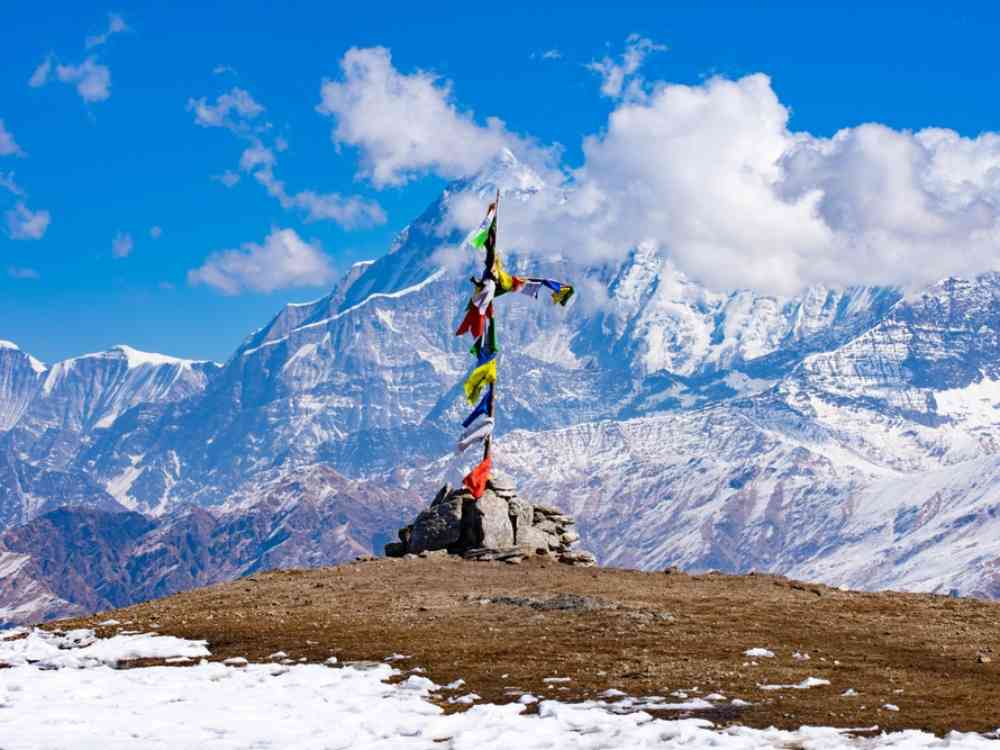
Nanda Devi’s place in mountaineering history is nothing short of legendary. The mountain was first successfully summited in 1936 by a British-American team, marking one of the most iconic ascents of the era. At that time, it was the highest mountain ever climbed, given that Everest had not yet been conquered.
The combination of technical difficulty, unpredictable weather, and remote access made it a dream and a nightmare for early climbers. India’s second successful expedition took place in 1964, adding a proud milestone to the country’s mountaineering timeline.
Comparison with Nearby Peaks
While neighboring giants like Nanda Kot (6,861 m), Trisul (7,120 m), and Kamet (7,756 m) also attract climbers, Nanda Devi stands in a league of its own—not just in terms of elevation but also mystique, cultural reverence, and ecological isolation.
- Nanda Kot is popular for its technical routes but lacks the spiritual significance of Nanda Devi.
- Trisul was one of the earliest Himalayan peaks to be climbed, but its routes are better explored and less remote.
- Kamet, although taller, is closer to roads and settlements and lacks the wilderness element that defines Nanda Devi.
What Should Aspiring Climbers Keep in Mind Before Attempting Nanda Devi?
1. Experience is important: Nanda Devi is not a beginner’s climb. You should have previous experience with high-altitude expeditions and be physically fit.
2. The number of permits will be limited: All applications will be carefully reviewed and must be submitted through approved agencies.
3. Climbing alone is not permitted: Every climbing expedition must be with a group that is approved by the IMF or officially recognized by the government.
4. It is important to be aware of and respect the cultural beliefs of the locals. They view the peak as sacred, so honoring this belief is crucial for a meaningful and ethical experience.
Places to Visit Near Nanda Devi
- Auli: Just about 50 km from Nanda Devi, Auli is a charming hill station famous for its pristine slopes and panoramic views of the Himalayan range, especially Nanda Devi itself. The Auli Ropeway, one of Asia’s longest cable cars, offers a bird’s-eye view of the surrounding peaks and valleys, making it a must-do activity.
- Joshimath: Located around 35 km from Nanda Devi, Joshimath is a spiritual and trekking hub. This ancient town houses one of the four monasteries established by Adi Shankaracharya and serves as the base for treks to Auli, Valley of Flowers, and Hemkund Sahib. It’s also the launching point for expeditions into the Nanda Devi Biosphere Reserve, making it essential for both spiritual seekers and mountain adventurers.
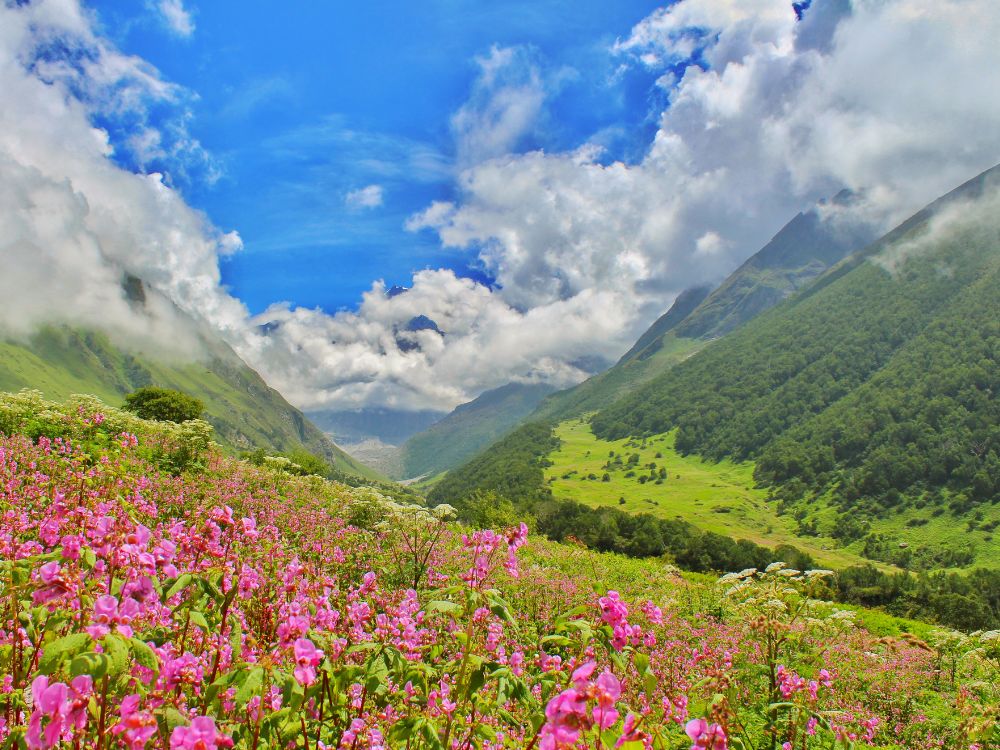
- Valley of Flowers: Approximately 60 km from Joshimath lies the breathtaking Valley of Flowers National Park. This UNESCO World Heritage Site blooms with over 500 species of alpine flowers during the monsoon season. From mid-July to early September, the valley transforms into a technicolor dreamscape.
- Badrinath: Roughly 45 km from Nanda Devi, Badrinath is one of the most important Char Dham pilgrimage sites in India. The town is home to the Badrinath Temple, dedicated to Lord Vishnu, and offers stunning views of the Alaknanda River and the surrounding peaks. With its mystical aura and spiritual significance, Badrinath is an enriching stop for both pilgrims and travelers.
Bottom Line
Environmental organizations have expressed concerns about increased human activity in the area, noting that the region has been slowly recovering since the ban in 1983. Any future plan to reopen the peak will need approval not only from the state but also from national environmental authorities, forest agencies, and ecological review committees.
According to a news report, the Nanda Raj Jat yatra, which takes place every 12 years, attracts pilgrims from all over India to the Himalayas. It is a deeply spiritual journey that highlights the immense religious importance of Nanda Devi for millions of people.
The Nanda Devi expedition is not just a trek, it is seen as a spiritual journey for religious pilgrims in India. People all over India are enthusiastic about this project, but there is a big obstacle to overcome.
Finding the right mix of protecting the environment and allowing people to visit one of India’s most famous mountains will be a difficult task. It remains to be seen if this balance can actually be achieved in the end.
FAQs
What is the highest peak in India?
The highest peak located entirely in India is Nanda Devi, standing at 7,816 meters. However, the highest peak overall is Kangchenjunga (8,586 meters), which lies on the India-Nepal border.
Why was Nanda Devi closed to climbers for over 40 years?
Nanda Devi was closed in 1983 due to environmental degradation concerns and the fallout from a Cold War-era nuclear mission involving a lost surveillance device on the mountain.
Is it safe to climb Nanda Devi now?
The peak is set to reopen under strict regulations, including limited permits, approved groups only, and eco-sensitive guidelines to ensure both safety and environmental protection.
Who is managing the reopening of Nanda Devi for expeditions?
The reopening is being coordinated by the Indian Mountaineering Foundation (IMF) in collaboration with the Uttarakhand Tourism and Forest Departments, pending final approvals.
Is Nanda Devi considered a sacred mountain?
Yes, Nanda Devi is named after Goddess Nanda Devi, the patron deity of Uttarakhand, and is revered as a symbol of feminine strength and protection. Locals consider it a deeply sacred peak.
What are some popular places to visit near Nanda Devi?
Nearby attractions include Auli, Joshimath, Valley of Flowers, and Badrinath, offering spiritual significance, trekking opportunities, and incredible Himalayan views.
Is Nanda Devi Peak open for trekking in 2025?
Nanda Devi Peak and Inner Sanctuary remain closed to general trekkers and climbers as of July 2025. There are ongoing government discussions about opening the main summit for expeditions for the first time since 1983, but no official reopening date has been announced, and at present, trekking to the main summit is still not allowed.
The Outer Sanctuary and base camp treks (like Nanda Devi East Base Camp) continue to operate under restricted entry with environmental limits.
What are the eligibility rules for the Nanda Devi Inner Sanctuary?
Entry is strictly limited:
- Only guided treks with permission are allowed.
- Maximum group size: 5 persons.
- Only two groups per day (four groups per week).
- All groups must be accompanied by a local, authorized guide.
- Minimum age: 14–15 years.
How can I get permits for the Nanda Devi trek in 2025?
Permits are required, which you must apply for in advance. Permits are obtained through the Forest Office in Joshimath or via the District Magistrate office, sometimes Gram Panchayat, and with help from a licensed trekking agency.
Is it safe to trek near Nanda Devi after the nuclear incident?
The 1965 CIA nuclear device remains lost in the glacier, but scientific reports and recent government statements confirm there’s no proven radioactive risk to trekkers in the region. The major disasters in recent years (floods, glacier bursts) have been attributed to natural causes, not radiation.
Which agencies issue Nanda Devi trek permits?
- Forest Department, Joshimath (primary for Nanda Devi outer sanctuary).
- District Magistrate/Pithoragarh office (for east base camp/Inner Line Permits).
- Sometimes coordination from Indo-Tibetan Border Police (ITBP) and local Gram Panchayat.
- Authorized trekking operators facilitate paperwork.
Can Foreign Nationals apply for permits?
Yes, foreign nationals are eligible, but the process is more stringent: Need a valid passport/visa.
When will trekking to Nanda Devi officially start in 2025?
Outer Sanctuary and Valleys (Valley of Flowers, Nanda Devi National Park, Dharansi Pass): Season is May–October (usually June 1 – October 31). The exact opening is subject to weather and Forest Department orders for the year.
Be one of the first one to visit the opening of Nanda Devi Peak!