


The Kuari Pass Trek, famously known as the “Curzon Trail,” stands as one of Uttarakhand’s most visited winter treks. The best time to visit Kuari Pass depends entirely on what you’re hoping to experience. Whether you’re chasing snow-covered landscapes or clear mountain views, timing is everything. But as one of the top winter treks in Uttarakhand, Kuari Pass never disappoints.
Located at an elevation of 12,516 feet in the Chamoli district, this moderate-difficulty trek offers breathtaking panoramic views of India’s highest peaks, including Nanda Devi, Dronagiri, Kamet, and Hathi Ghodi Parvat. Timing your visit correctly can make the difference between an extraordinary adventure and a challenging ordeal.
Prime Trekking Seasons:
- Winter Season: December to March (Snow Trek)
- Spring Season: April to June (Rhododendron Bloom)
- Post Monsoon: September to November (Clear Views)
Avoid: July to August (Monsoon season with heavy rainfall and landslide risks)
Complete Month-Wise Breakdown: Kuari Pass Trek

| Month | Trail / Weather Condition |
| January | Heavy snowfall, thick snow, clear skies |
| February | Moderate snowfall, stable & sunny |
| March | Mixed snow and spring, variable conditions |
| April | Pleasant, spring showers, blooming meadows |
| May | Warm, rare showers, lush wildflowers |
| June | Warm, lush, pre-monsoon clouds |
| July–August | Heavy rain, thick clouds, leeches, risky |
| September | Clear skies, crisp air, some late rain |
| October | Stable, clear, autumn colors, best visibility |
| November | Cold, occasional early snow, clear |
| December | Early snow, clear but cold, winter begins |
Before we get into the detailed month wise division, here is your perfect Kuari Pass Trek Package
January – Peak Winter Wonderland
Weather Conditions:
- Temperature: Day: -2°C to 8°C | Night: -15°C to -8°C
- Weather: Heavy snowfall, crystal clear skies
- Trek Difficulty: Moderate to Challenging
What to Expect: January transforms Kuari Pass into a pristine winter wonderland. The entire trail remains blanketed in thick snow, creating a magical landscape that attracts serious winter trekkers. The views of snow-capped peaks are absolutely stunning, with Nanda Devi appearing like a gleaming white pyramid against azure skies.
Pros:
- Spectacular snow-covered landscapes
- Fewer crowds, more solitude
- Best photography opportunities for snow scenes
- Clear mountain visibility
Cons:
- Extreme cold conditions require specialized gear
- Trail can be challenging due to deep snow
- Higher risk of altitude-related issues
Best For: Experienced trekkers seeking winter adventure, photographers
February – Optimal Winter Trekking

Weather Conditions:
- Temperature: Day: 0°C to 10°C | Night: -12°C to -5°C
- Weather: Moderate snowfall, stable weather patterns
- Trek Difficulty: Moderate
What to Expect: February is considered the sweet spot for winter Kuari Pass treks. The weather stabilizes compared to January, with less frequent snowfall and more sunny days. The snow coverage remains excellent while trekking conditions become more manageable.
Pros:
- Perfect balance of snow and manageable conditions
- Stable weather with clear mountain views
- Well-defined trail markers in snow
- Ideal for first-time winter trekkers
Cons:
- Still requires warm gear and winter preparation
- Limited daylight hours (sunrise around 7 AM, sunset by 5:30 PM)
Best For: Winter trek enthusiasts, beginners to winter trekking
How difficult will be Kuari Pass Trek be in February? Read Kuari Pass difficulty guide.
March – Transitional Beauty
Weather Conditions:
- Temperature: Day: 5°C to 15°C | Night: -8°C to 0°C
- Weather: Mixed conditions with occasional snow and clear skies
- Trek Difficulty: Moderate
What to Expect: March marks the transition from winter to spring. Early March still offers good snow conditions, while late March begins showing signs of spring with melting snow and emerging vegetation. This month provides a unique experience of witnessing seasonal change in the Himalayas.
Pros:
- Diverse landscapes from snow to emerging greenery
- Moderate temperatures during the day
- Longer daylight hours
- Good mix of winter and spring experiences
Cons:
- Unpredictable weather patterns
- Muddy trails due to melting snow
- Variable snow conditions
Best For: Trekkers wanting to experience seasonal transition, flexible itinerary travelers
April – Spring Awakening

Weather Conditions:
- Temperature: Day: 10°C to 20°C | Night: 2°C to 8°C
- Weather: Pleasant days, cool nights, occasional spring showers
- Trek Difficulty: Easy to Moderate
What to Expect: April ushers in spring with blooming rhododendrons painting the landscape in vibrant reds and pinks. The snow line recedes significantly, revealing lush green meadows and colorful wildflowers. This is one of the most beautiful times to experience Kuari Pass.
Pros:
- Rhododendron blooms create stunning landscapes
- Pleasant daytime temperatures
- Clear, crisp mountain views
- Comfortable camping conditions
Cons:
- Occasional spring showers
- Popular season means more crowds
- Limited snow experience
Best For: Nature lovers, photographers, families with children
The long days of Spring gives you opportunity of exploring Kuari Pass at its best – Read Kuari Pass Trek duration guide.
May – Peak Spring Season
Weather Conditions:
- Temperature: Day: 15°C to 25°C | Night: 5°C to 12°C
- Weather: Warm days, mild nights, occasional pre-monsoon showers
- Trek Difficulty: Easy to Moderate
What to Expect: May offers the most comfortable trekking conditions with warm, pleasant weather. The entire route blooms with wildflowers, and the views of the Himalayan peaks remain crystal clear. This is the busiest month for the trek due to ideal conditions.
Pros:
- Perfect weather for trekking
- Spectacular wildflower displays
- Excellent visibility of mountain ranges
- Comfortable for beginners
Cons:
- Highest tourist crowds
- Higher accommodation costs
- No snow experience
Best For: Beginner trekkers, luxury camping enthusiasts, corporate groups
June – Late Spring Glory

Weather Conditions:
- Temperature: Day: 18°C to 28°C | Night: 8°C to 15°C
- Weather: Warm and pleasant, pre-monsoon clouds
- Trek Difficulty: Easy to Moderate
What to Expect: June marks the end of the prime spring season. While temperatures are comfortable, pre-monsoon clouds start building up, occasionally blocking mountain views. The vegetation is at its lushest, creating a different but equally beautiful trekking experience.
Pros:
- Warm, comfortable temperatures
- Lush green landscapes
- Good for acclimatization
- Extended daylight hours
Cons:
- Cloudy skies may obstruct peak views
- Approaching monsoon creates uncertainty
- Very crowded trails
Best For: Heat-sensitive trekkers, those preferring green landscapes
July-August – Monsoon Season (NOT RECOMMENDED)
Weather Conditions:
- Temperature: Day: 15°C to 22°C | Night: 10°C to 15°C
- Weather: Heavy rainfall, thick clouds, high humidity
- Trek Difficulty: Dangerous
What to Expect: The monsoon season brings torrential rains, making the trek extremely dangerous due to landslides, slippery trails, and poor visibility. Most trekking companies suspend operations during this period.
Avoid This Period Due To:
- High landslide risk
- Slippery, dangerous trails
- Complete cloud cover blocking all views
- Heavy rainfall and storm risks
- Leech infestation
What are the do’s and dont’s of Kuari Pass Trek? Confused? Kuari Pass Trek Guide is your answer!
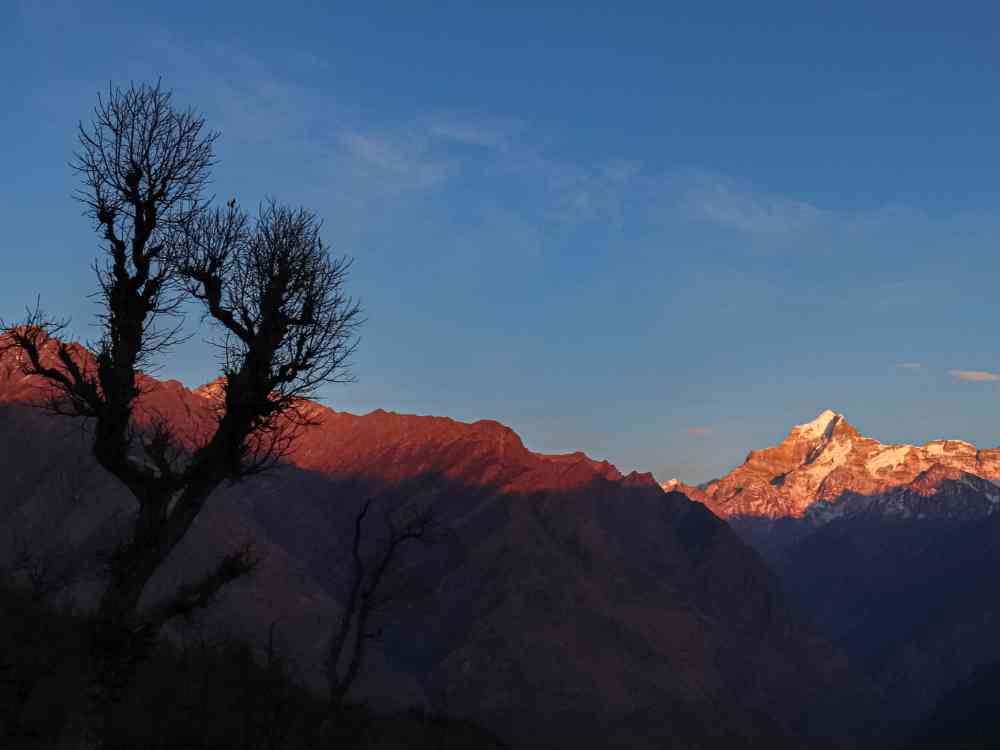
September – Post-Monsoon Clarity
Weather Conditions:
- Temperature: Day: 12°C to 20°C | Night: 3°C to 10°C
- Weather: Clear skies, crisp air, occasional late monsoon showers
- Trek Difficulty: Moderate
What to Expect: September marks the beginning of the post-monsoon season with crystal-clear air and spectacular mountain views. The monsoon washes away dust and pollution, creating incredibly sharp visibility of distant peaks.
Pros:
- Exceptional mountain visibility
- Fresh, clean air post-monsoon
- Moderate temperatures
- Fewer crowds than spring
Cons:
- Occasional late monsoon showers
- Trails may still be muddy
- Variable weather patterns
Best For: Serious mountain enthusiasts, photographers seeking clear views
October – Autumn Perfection
Weather Conditions:
- Temperature: Day: 8°C to 18°C | Night: 0°C to 8°C
- Weather: Stable, clear skies with excellent visibility
- Trek Difficulty: Moderate
What to Expect: October is considered one of the best time for Kuari Pass trek, offering stable weather, crystal-clear mountain views, and comfortable trekking conditions. The autumn colors add beauty to the landscape while maintaining excellent visibility.
Pros:
- Best mountain visibility of the year
- Stable weather conditions
- Beautiful autumn foliage
- Comfortable trekking temperatures
Cons:
- Increasingly cold nights
- Popular season with moderate crowds
- Requires warm clothing for camps
Best For: Mountain view enthusiasts, first-time Himalayan trekkers
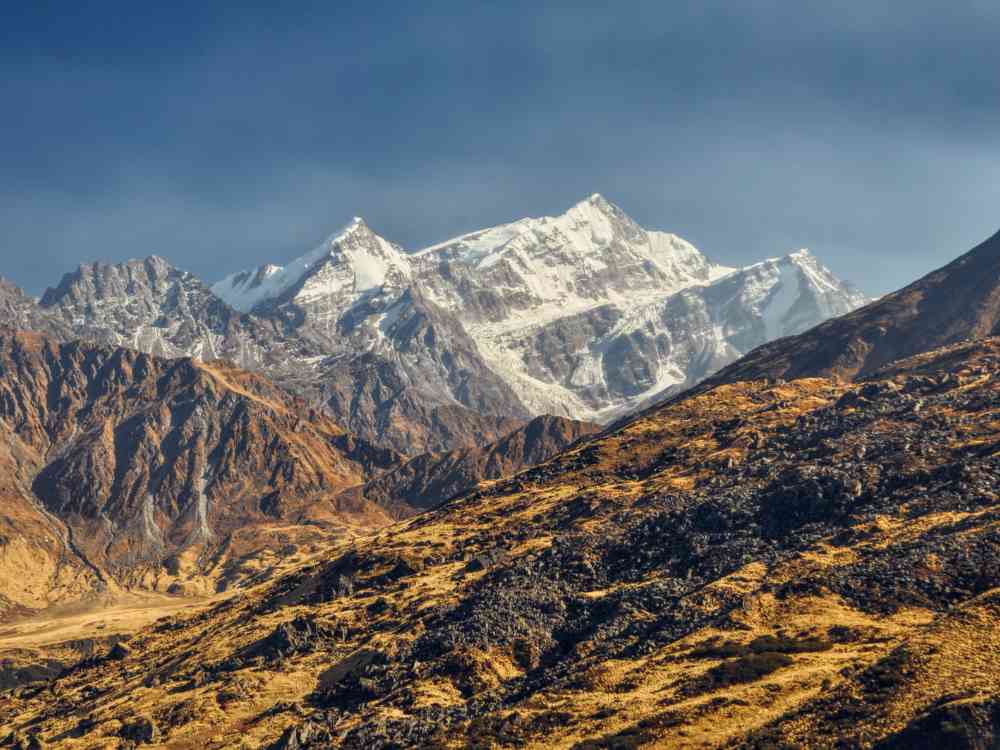
November – Pre-Winter Excellence
Weather Conditions:
- Temperature: Day: 5°C to 15°C | Night: -5°C to 5°C
- Weather: Clear, cold, occasional early winter snowfall
- Trek Difficulty: Moderate
What to Expect: November offers the last opportunity for clear weather trekking before heavy winter sets in. Early November provides excellent conditions, while late November might see the first significant snowfall of the season.
Pros:
- Crystal clear mountain panoramas
- Crisp, clean air
- Possibility of early snow adding beauty
- Less crowded than peak seasons
Cons:
- Rapidly dropping temperatures
- Risk of sudden weather changes
- Shorter daylight hours
Best For: Experienced trekkers, those seeking solitude with clear views can take Novemeber as best time to visit Kuari Pass Trek
December – Winter Begins
Weather Conditions:
- Temperature: Day: 2°C to 12°C | Night: -10°C to -2°C
- Weather: Snowfall begins, clear cold days
- Trek Difficulty: Moderate to Challenging
What to Expect: December marks the beginning of the winter season with the first significant snowfall transforming the landscape. Early December might still offer some clear weather windows, while late December establishes full winter conditions.
Pros:
- Beginning of the magical snow season
- Fewer trekkers, more peaceful experience
- Clear, crisp mountain views
- Unique transitional landscape
Cons:
- Unpredictable weather patterns
- Requires winter gear preparation
- Shorter daylight hours
Best For: Winter trek beginners, those wanting to avoid peak winter extremes
Seasonal Highlights and Recommendations

Winter Season (December-March): Best Time to Visit Kuari Pass Trek
Ideal For: Winter sports enthusiasts, experienced trekkers, photography Highlights:
- Snow-covered landscapes
- Frozen waterfalls and streams
- Clear, crisp mountain views
- Unique winter wildlife sightings
Essential Gear:
- 4-season sleeping bags rated to -15°C
- Insulated winter boots with good grip
- Multiple insulation layers
- Waterproof gloves and warm headgear
Spring Season (April-June): The Rhododendron Trail
Ideal For: Nature lovers, families, beginner trekkers Highlights:
- Blooming rhododendrons in vibrant colors
- Wildflower meadows
- Pleasant weather conditions
- Active bird life and butterflies
Essential Gear:
- Light trekking gear
- Rain protection for occasional showers
- Camera for flower photography
- Comfortable day pack
Post-Monsoon (September-November): The Clear View Season
Ideal For: Mountain enthusiasts, photographers, view seekers Highlights:
- Exceptional mountain visibility
- Stable weather patterns
- Autumn colors in vegetation
- Perfect conditions for mountain photography
Essential Gear:
- Variable weather clothing
- Warm sleeping gear for cold nights
- Good quality camera for landscapes
- Sturdy trekking boots
Essential Packing List for Kuari Pass Trek

Winter Trek Essentials (Dec-Mar)
Clothing:
- Base layers (merino wool recommended)
- Insulation layer (down or synthetic)
- Waterproof outer shell
- Insulated boots and gaiters
- Warm gloves and mittens
- Insulated hat and balaclava
Equipment:
- 4-season tent (if camping independently)
- -15°C rated sleeping bag
- Insulated sleeping pad
- Headlamp with extra batteries
- First aid kit with cold weather medications
Spring/Autumn Essentials (Apr-Jun, Sep-Nov)
Clothing:
- Layering system with fleece
- Waterproof jacket
- Warm hat and gloves
- Good quality trekking boots
- Quick-dry trekking pants
Equipment:
- 3-season sleeping bag
- Lightweight tent
- Trekking poles
- Water purification tablets
- Camera with extra batteries
Professional Tips and Timing for Kuari Pass Trek

Best Booking Strategy
Winter Treks (Dec-Mar):
- Book 2-3 months in advance
- Check weather forecasts closely
- Ensure group has winter trekking experience
- Confirm operator’s winter safety protocols
Spring Treks (Apr-Jun):
- Book 3-4 months ahead (high demand)
- Consider early April or late May to avoid peak crowds
- Verify rhododendron bloom timing
- Check for any trail maintenance schedules
Post-Monsoon (Sep-Nov):
- Book 2 months in advance
- Monitor late monsoon patterns
- Confirm trail reopening dates
- Plan for variable weather conditions
Budget Considerations by Season
Most Expensive: May (peak spring) Moderate Cost: February, April, October Best Value: January, November, December Budget Options: March, June, September
Group Size Recommendations
- Winter: Smaller groups (6-8 people) for better safety management
- Spring: Any group size suitable
- Post-Monsoon: Medium groups (8-12 people) ideal
You got the best time in your hand, and best itinerary in your heart – start planning your Kuari Pass Trek
Choosing Your Perfect Time For Kuari Pass Trek

The best time to visit Kuari Pass ultimately depends on your preferences, experience level, and what you want from your Himalayan adventure.
Remember, Kuari Pass offers a unique experience in every season. Whether you’re drawn to the winter wonderland, spring blooms, or autumn clarity, proper preparation and timing will ensure your trek becomes an unforgettable Himalayan adventure.
Pro Tip: For first-time Kuari Pass trekkers, February and October offer the best combination of good weather, manageable conditions, and spectacular views. These months provide the quintessential Kuari Pass experience without extreme challenges.
Plan ahead, pack appropriately for your chosen season, and prepare for one of the most rewarding treks in the Indian Himalayas. The memories and views from Kuari Pass will last a lifetime, regardless of when you choose to visit this magnificent Himalayan jewel.
FAQ
What is the best season to visit Kuari Pass trek?
The best time to visist Kuari Pass Trek are spring (March–April) for rhododendron blooms and melting snow, summer (May–June) for clear skies and green landscapes, and autumn (September–November) for crisp weather and sharp views. Monsoon (July–August) is not advised due to heavy rain and landslides.
Can I trek Kuari Pass in winter?
Yes, Kuari Pass is renowned for beautiful snow-covered landscapes from mid-December to mid-March, but the trek is challenging with sub-zero temperatures and heavy snow. Ideal for experienced winter trekkers.
Which month offers the best views of the Himalayas from Kuari Pass?
Autumn (October–November) is acclaimed for the clearest mountain views after the monsoon; the air is clean and skies are generally the clearest then.
Is there a time when trekking Kuari Pass is not recommended?
Monsoon months (July–August) should be avoided due to frequent rain, slippery trails, landslide risks, and poor visibility.
Is snow present on the trail throughout the year?
No. Snow is abundant from late December to March, starts melting in spring (April), and is mostly absent from May to October. You’ll see wildflowers and greenery outside of the snow season.